
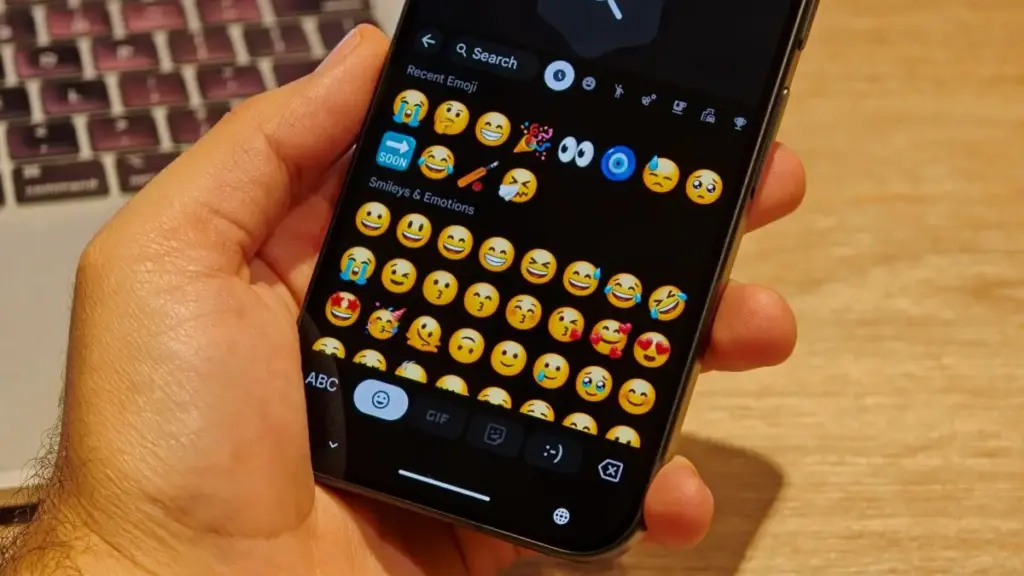
The Noto 3D emojis represent a departure from the "Material You" minimalism that has defined Google’s software for the last several iterations of Android. While the previous designs focused on clean lines and solid colors to match the flat aesthetic of the system UI, the 3D variants embrace gradients, soft shadows, and a sense of physical volume. According to Google, this added dimension is intended to make the icons more effective at conveying nuanced emotions. By simulating light and shadow, the emojis gain a tactile quality that makes them feel more integrated into the high-resolution displays of modern smartphones.
The rollout, however, appears to be following a staggered and somewhat unpredictable path, which is common for major Google software deployments. While the Pixel 6a has been confirmed to show the new designs in some instances, other, more recent devices are still waiting. Tests conducted on the Pixel 9a and the Pixel 9 Pro—both of which are running the latest Android 17 software—revealed that the 3D emojis had not yet appeared, even after the devices were updated with the most recent Google Play system patches. This discrepancy highlights the "server-side" nature of many Google feature launches, where the company toggles features for specific groups of users or regions to monitor for stability before committing to a global release.
This gradual expansion is part of a much larger strategy that Google has previously articulated. The company does not intend for the Noto 3D aesthetic to remain a Pixel-only feature. Google has already confirmed that it is working with a wide array of hardware partners to bring these designs to the broader Android ecosystem. Manufacturers including Nothing, Lenovo, Xiaomi, Oppo, OnePlus, Vivo, Honor, and Motorola are all slated to integrate the new emoji designs into their respective software skins. This move is significant because it suggests a push toward visual parity across the fragmented Android landscape. In the past, a user on a Xiaomi phone might see a completely different emoji style than a user on a Motorola phone, leading to "translation" issues where the emotional intent of a message might be lost. By standardizing the Noto 3D set across these major brands, Google is attempting to create a more unified visual language for the billions of people who use Android.
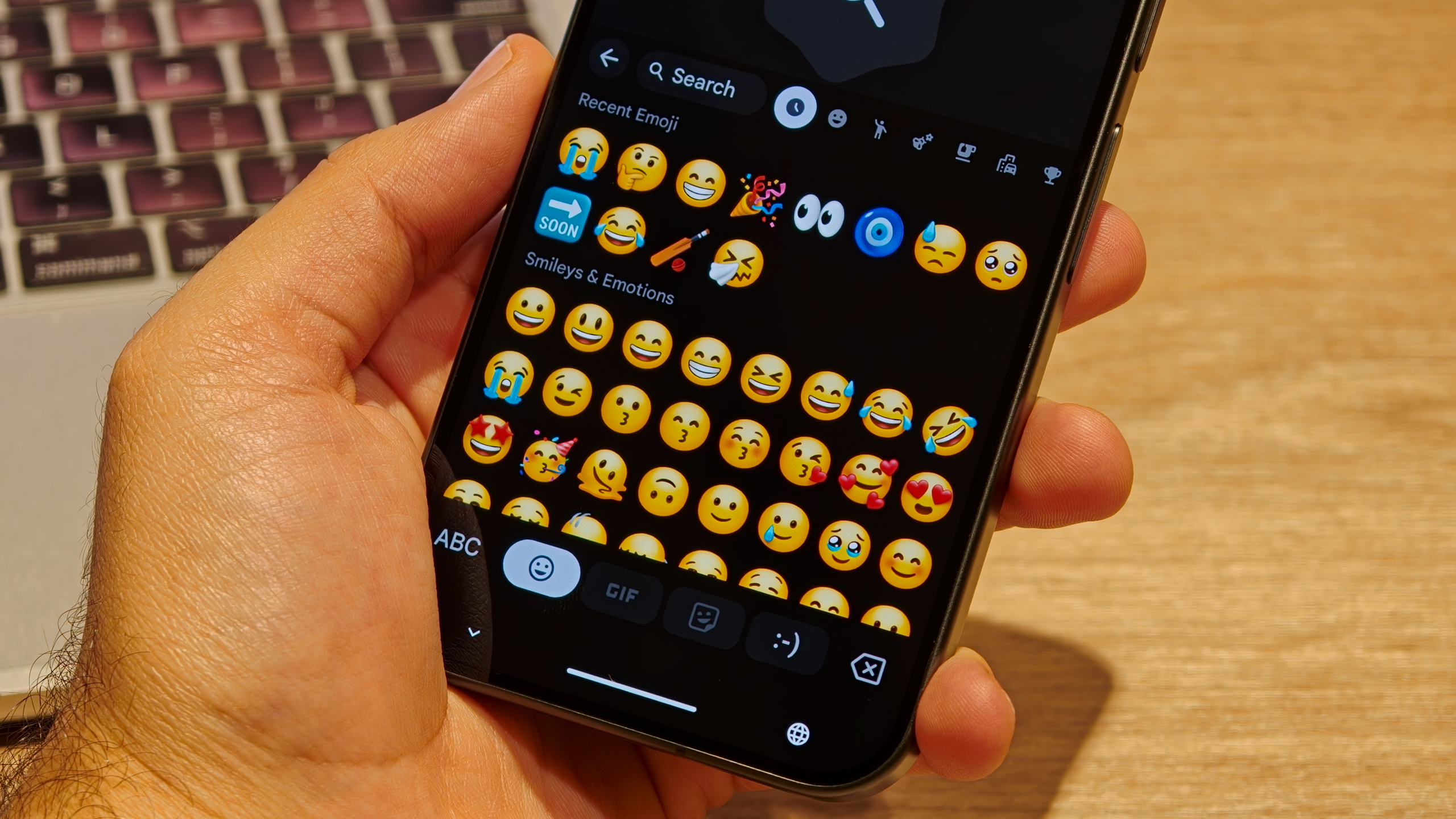
The technical underpinnings of this shift are also worth noting. The "Noto" project itself—short for "No Tofu"—was created by Google with the ambitious goal of developing a font family that covers every character in the Unicode standard, ensuring that users never see the empty "tofu" boxes that appear when a device cannot render a specific character. The evolution of Noto into a 3D space is a testament to the increasing graphical power of mobile devices. Even mid-range phones from a few years ago now possess the GPU capabilities to render these more complex, gradient-heavy icons without any impact on system performance or battery life.
 Mobile Device Management (MDM) & Mobile OS
The Growing Pains of "Geminification": Pixel Users Express Frustration as Google Assistant Fades Away
The landscape of mobile artificial intelligence underwent a seismic shift this past...
 Mobile Device Management (MDM) & Mobile OS
Peacock Unveils Major Mobile App Redesign Featuring Vertical Video, AI Search, and Interactive Fan Hubs
In an era where streaming platforms are no longer just competing for...
 Mobile Device Management (MDM) & Mobile OS
Google Refines the AI-Powered Smart Home with Major Gemini and Home App Update
Google has concluded the final week of October with a significant suite...







