
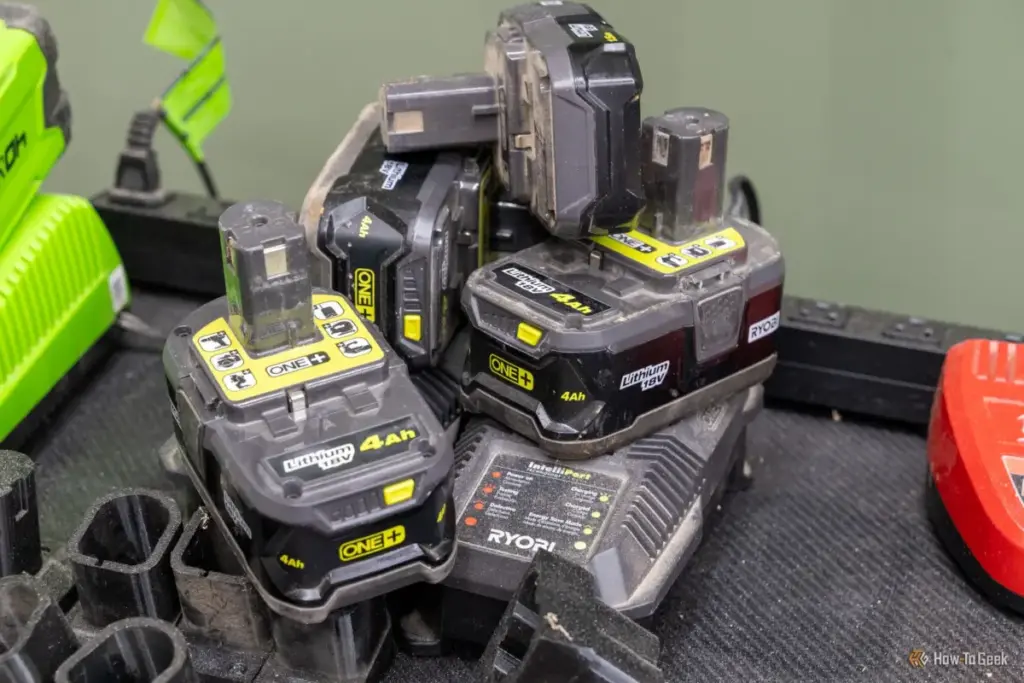
For many homeowners and DIY enthusiasts, the Ryobi brand represents a gateway into a world of versatile, affordable power tools. The iconic neon-green aesthetic is a staple in garages across the country, supported by a battery platform that has remained remarkably consistent for decades. However, even the most loyal users eventually encounter a frustrating phenomenon: the dreaded four flashing lights on the battery’s onboard fuel gauge. In the community of tool users, this signal has long been interpreted as a definitive death knell, a sign that the battery has reached the end of its functional life and must be replaced.
Yet, as technical experts and dedicated hobbyists have discovered, those four flashing LEDs do not always signal a hardware failure. Instead, they often represent a software-driven lockout—a digital "halt" command issued by the battery’s internal brain. Understanding why this happens, what it means for the longevity of the hardware, and how users might potentially bypass these restrictions reveals a complex intersection of safety engineering, corporate liability, and the growing global conversation surrounding the right to repair.
Four flashing lights doesn’t mean what you think
To understand why a Ryobi battery might suddenly stop functioning, one must first look past the plastic casing and the lithium-ion cells themselves. Modern power tool batteries are not merely containers for electricity; they are sophisticated electronic devices equipped with a Battery Management System (BMS). This logic board acts as the battery’s brain, constantly monitoring the health, temperature, and voltage of the individual cells packed inside.
It’s the battery’s brain talking, not the cells
When a user sees four flashing lights, they are witnessing the BMS reporting a fault state. While Ryobi has not provided exhaustive public documentation detailing every possible error code, extensive community testing and teardowns have provided a clear picture of what triggers this specific visual warning. In most cases, the four flashing LEDs indicate a cell imbalance or a protection mode lockout.
A lithium-ion battery pack consists of several individual cells wired together. For the battery to operate safely and efficiently, these cells must maintain a similar voltage level. If the BMS detects that one group of cells has dropped significantly lower than the others—or if the overall voltage has dipped below a critical threshold—it triggers a protection mode. This is essentially a "lockout" state where the battery refuses to accept a charge or provide power to a tool.
The crucial distinction here is that a lockout does not necessarily mean the lithium-ion cells are "dead" or incapable of holding a charge. The cells may still be chemically sound, but because the BMS has detected a discrepancy, it has effectively "retired" the battery to prevent potential safety hazards, such as overheating or fire during a charging cycle. Other external factors can also trigger temporary faults, such as extreme operating temperatures or even simple debris on the metal contacts that prevents a clean connection between the battery and the charger.
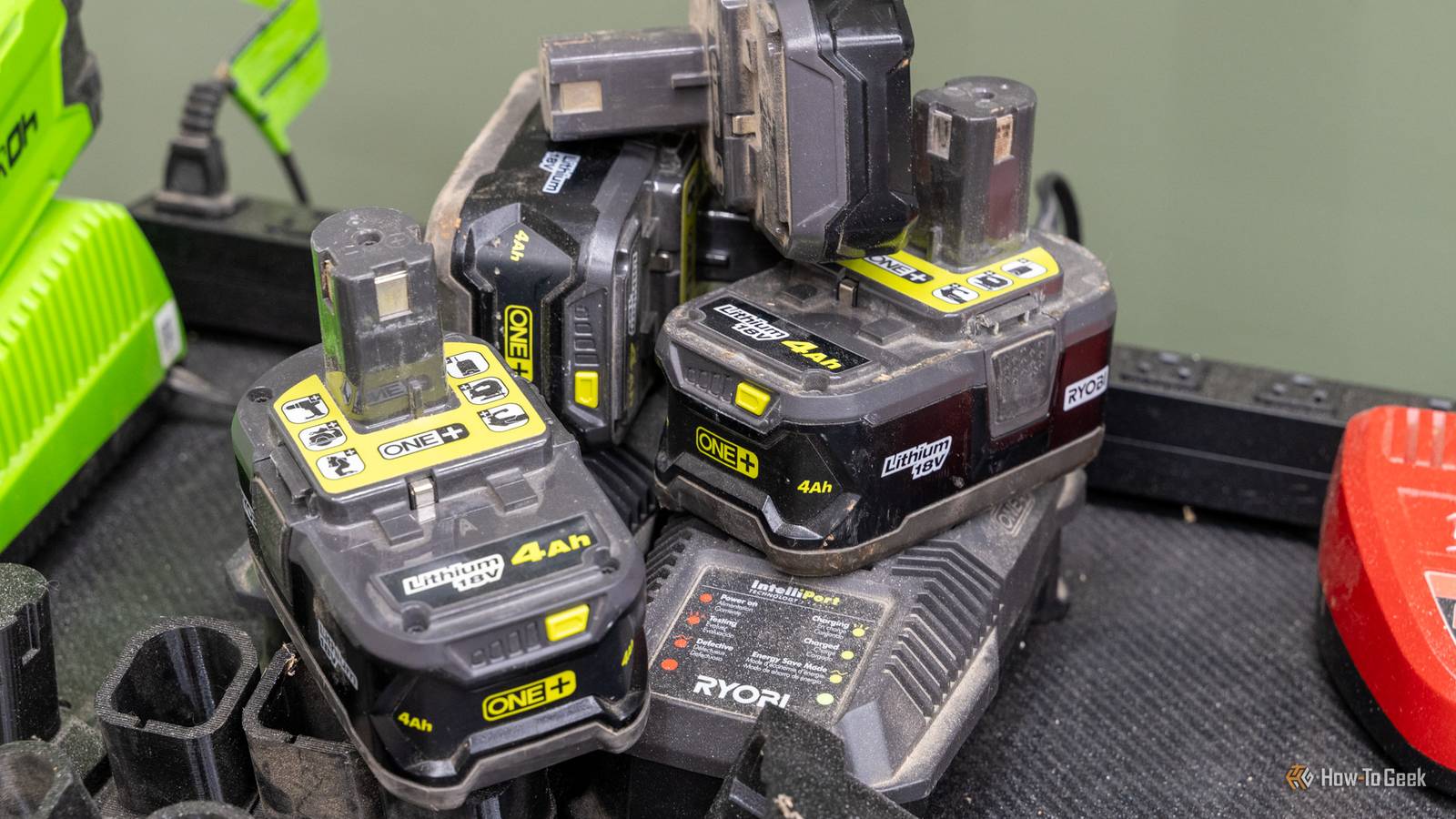
Some of these packs are just locked out
For the average consumer, the immediate reaction to a non-functional battery is to seek a replacement. However, depending on the nature of the fault, there are several tiers of intervention that can be attempted before resigning the hardware to the recycling bin. The simplest remedies involve addressing the environment and the physical interface of the battery.
 Tech Tutorials & How-To Guides
Strategic Streaming: Top Netflix Series to Download Ahead of Hurricane Season Power Outages
As the United States moves into the peak of hurricane season, residents...
 Tech Tutorials & How-To Guides
The Seamless Transition: Why Linux Mint Remains the Premier Gateway for Windows Refugees
For many veteran technology enthusiasts, the journey through the landscape of Unix-like...
 Tech Tutorials & How-To Guides
The Limits of DNS Privacy: Why Changing Your Resolver Is Not a Total Cloaking Device
In the modern era of digital surveillance and data harvesting, internet users...







