In the fast-paced world of consumer electronics, it is often easy for technology enthusiasts and "early adopters" to forget that they exist within a specialized bubble. For those who follow every keynote and firmware update, smart home technology is a familiar landscape—one they have been navigating for a decade or, in some cases, since the early days of X10 power-line signaling. To this group, the intricacies of network protocols, IP addresses, and bridge configurations are second nature. However, for the vast majority of the general public, the "smart home" remains a concept that is often more intimidating than it is inviting.
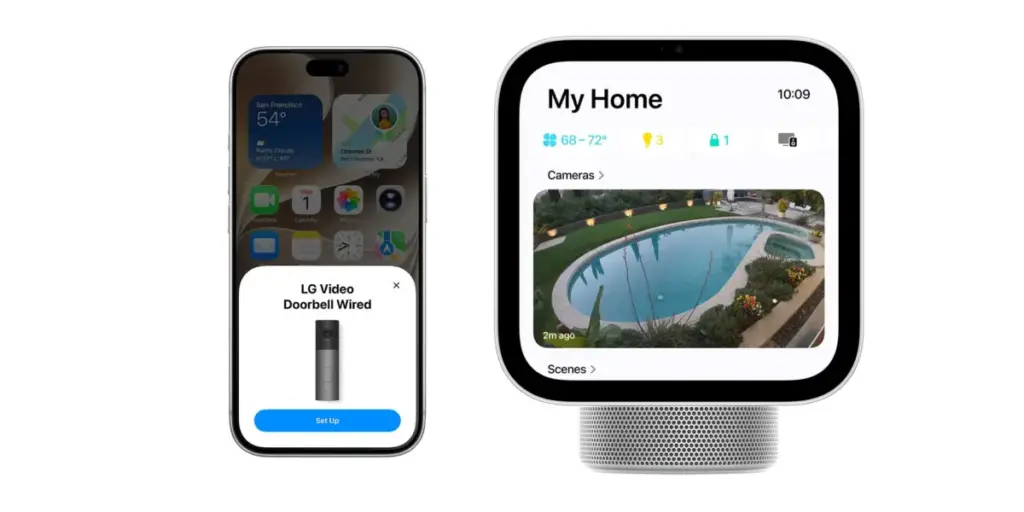
Recently, Apple unveiled its Apple Home Collection, a curated suite of smart home accessories developed in collaboration with industry heavyweights such as LG and Schneider Electric. The announcement was met with a wave of skepticism from the tech-savvy community. Commenters across social media and tech forums have expressed bewilderment, questioning why anyone would opt for these devices when they carry significantly higher price tags than existing alternatives that appear to offer the same basic functionality. On the surface, a smart doorbell or a light switch from this collection might seem redundant in a market already saturated with cheaper options.
Yet, this skepticism may be a byproduct of the "bubble effect." To understand why the Apple Home Collection is a pivotal moment for the industry, one must look past the spec sheets and price points and focus instead on the historical barriers that have kept smart home technology from achieving true mass-market ubiquity.
HomeKit was a start, but not enough
To appreciate where Apple is going, we must look at where the industry began. In its infancy, smart home technology was the exclusive domain of hobbyists. It was an era defined by soldering irons, custom scripts, and complex wiring. The first major shift toward accessibility occurred with the advent of wireless protocols and smartphone integration. Suddenly, users could control a lightbulb via an app rather than a terminal command. However, this convenience was often illusory.
As the market expanded, it became fragmented. A homeowner might have one app for their smart locks, another for their thermostat, and a third for their security cameras. Each manufacturer operated within its own silo, rarely communicating with others. Apple attempted to solve this fragmentation with the introduction of HomeKit. The vision was elegant: a centralized platform where all devices could be configured and controlled through a single "Home" app, protected by Apple’s stringent security standards and accessible via Siri voice commands.
While HomeKit was a significant step forward, the practical reality often fell short of the marketing promise. Even under the HomeKit umbrella, the user experience was frequently marred by "onboarding friction." Many devices required users to first download a proprietary third-party app to perform initial setup or firmware updates before they would even appear in Apple’s ecosystem. For a non-technical user, this process could feel like acting as an unpaid network engineer, troubleshooting 2.4GHz Wi-Fi interference or hunting for elusive eight-digit setup codes.
 Smart Home & IoT Solutions
Report: Apple ‘HomeView’ smart home hub will ship in November, come in four colors, A18 chip
The HomeView is expected to be the centerpiece of a major hardware...
 Smart Home & IoT Solutions
Apple Partners with LG for Strategic Smart Home Expansion Featuring New Cameras and Sensors
In a significant move to revitalize its presence in the domestic technology...
 Smart Home & IoT Solutions
Apple Set to Unveil "HomeView" Smart Hub with iMac G4-Inspired Design and A18 Chip at Upcoming "Welcome Home" Event
Apple is preparing to make its most significant leap into the smart...