Furthermore, Apple’s strict hardware certification requirements meant that fewer manufacturers chose to support HomeKit compared to the more permissive ecosystems of Amazon Alexa and Google Home. While Apple focused on privacy and security, its competitors focused on volume and ease of entry for manufacturers, leading to a much wider array of compatible devices at lower price points.
Matter and Thread helped
The industry recognized these hurdles, leading to the development and launch of the Matter and Thread standards. Matter was designed as a universal language for smart devices, promising that a product would work seamlessly across Apple, Google, and Amazon ecosystems. Thread, meanwhile, provided a robust, low-power mesh networking protocol to improve the reliability and speed of device communication.
These standards undoubtedly improved the landscape. They reduced the "silo" effect and simplified the underlying technology, making it easier for manufacturers to build products that worked for everyone. For the tech-savvy user, Matter and Thread were the "holy grail" of interoperability. However, even with these advancements, the mass-market consumer remained largely on the sidelines.
The issue was not just whether a device could connect, but how much mental energy was required to make it connect. Even a Matter-enabled device often requires a series of steps—scanning QR codes, ensuring the phone is on the right network frequency, and waiting through several "connecting" progress bars. For a "normie"—the average consumer who just wants their house to work—any friction is a deterrent. If a smart device is harder to install than a traditional one, the perceived value often fails to outweigh the frustration.
Apple Home Collection
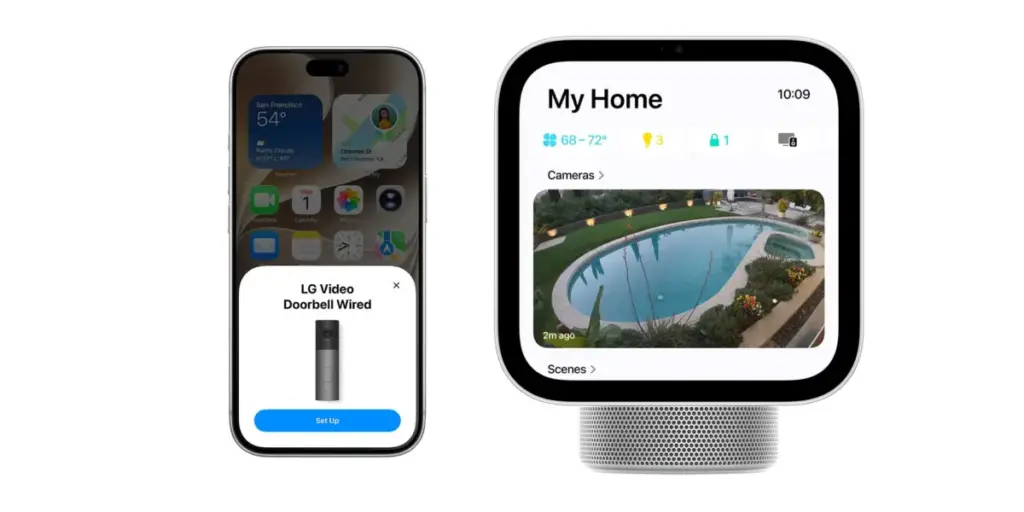
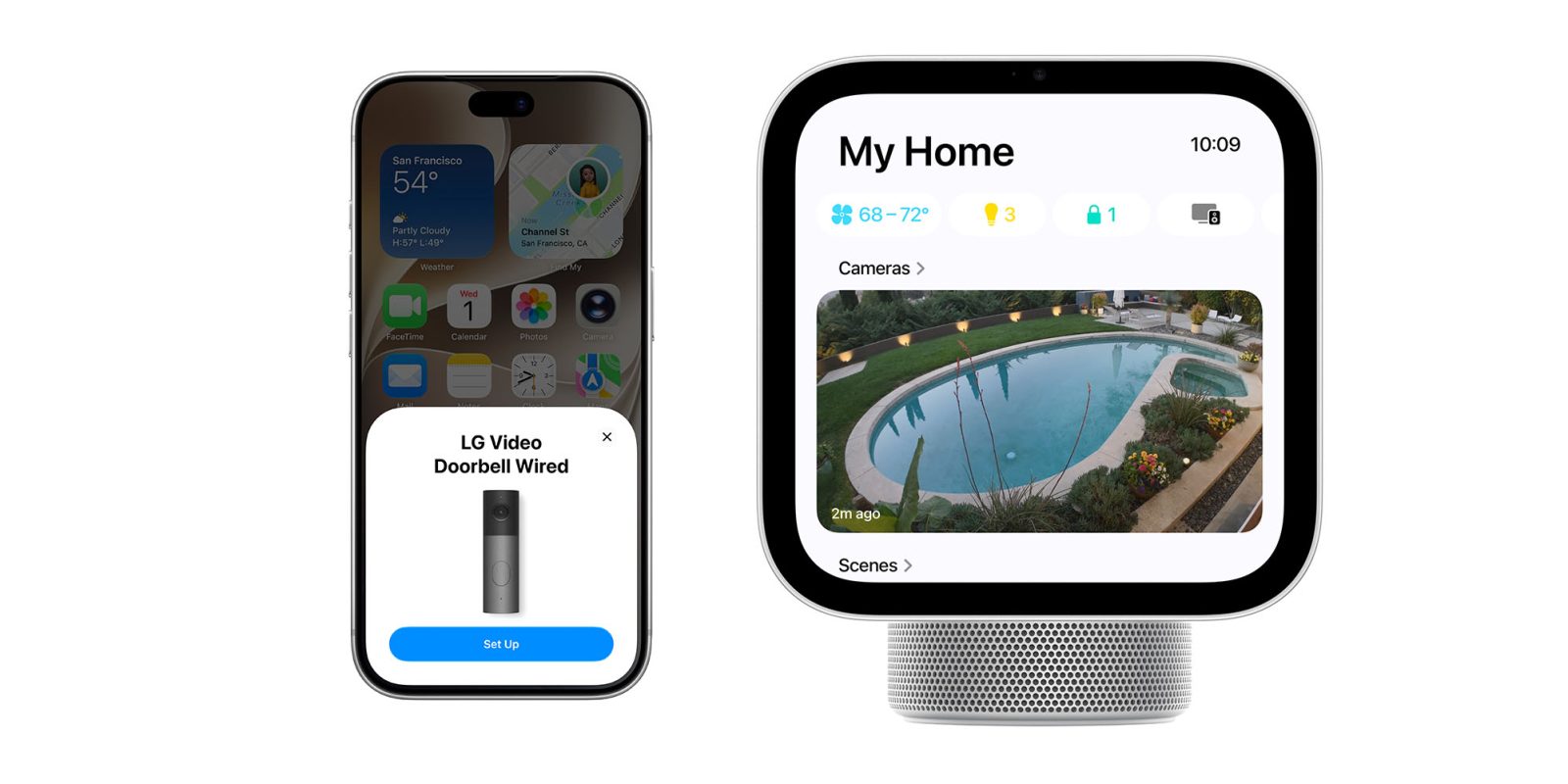
This brings us to the Apple Home Collection. The primary criticism leveled against this new initiative is that it doesn’t introduce any "new" product categories. We already have smart doorbells, cameras, and energy management systems. However, this critique misses the fundamental innovation: the elimination of setup friction.
For the first time, Apple is bringing the "AirPods experience" to the smart home. When Apple released AirPods, the magic wasn’t just in the audio quality; it was in the pairing process. You simply opened the case near your iPhone, a card slid up on the screen, and with one tap, you were finished. There was no digging through Bluetooth settings or holding down buttons until a light flashed a certain color.
 Smart Home & IoT Solutions
SwitchBot Unveils Lock Vision Series Featuring Matter Integration and Advanced 3D Biometric Recognition
In a significant expansion of its smart home security portfolio, SwitchBot has...
 Smart Home & IoT Solutions
Apple’s Smart Home Ambitions Expand with LG Partnership and Exclusive ‘Proximity Control’ Features
As the technology industry looks toward Apple’s upcoming "Welcome Home" special event...
 Smart Home & IoT Solutions
Apple Partners with LG for Strategic Smart Home Expansion Featuring New Cameras and Sensors
In a significant move to revitalize its presence in the domestic technology...