
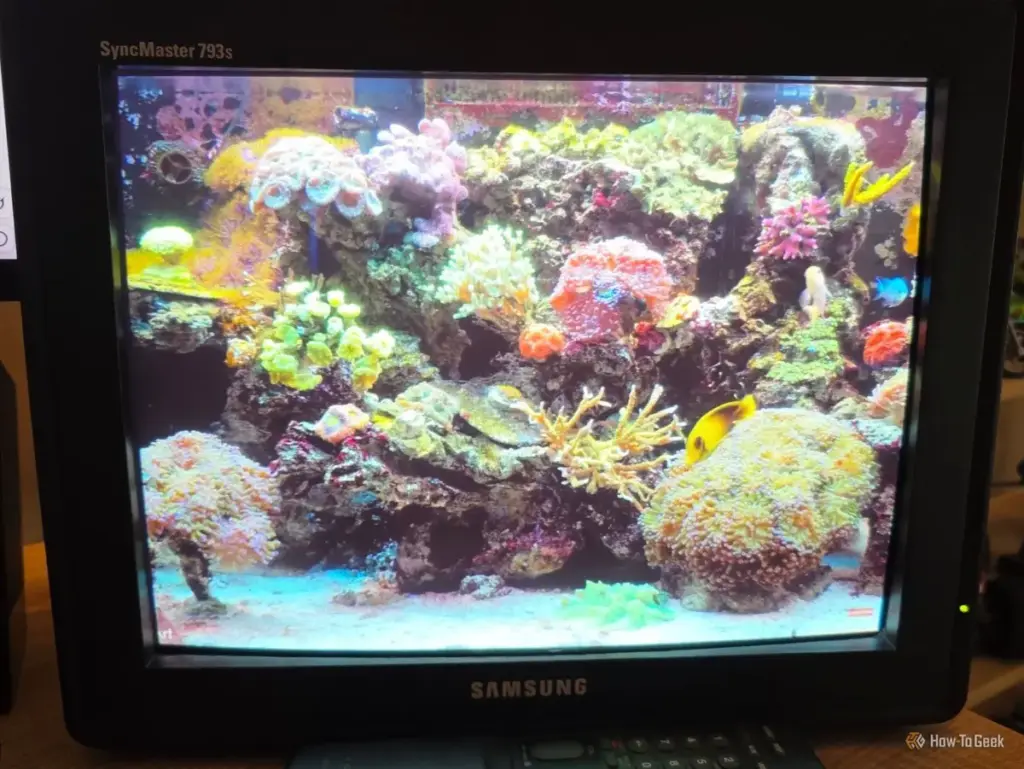
In an era defined by ultra-thin OLED panels, 4K resolutions, and refresh rates that push the boundaries of human perception, the humble Cathode Ray Tube (CRT) monitor is often viewed as a cumbersome relic of a bygone age. To the average observer, these heavy, beige boxes are little more than "e-waste" waiting for a trip to the local recycling center. However, for technology experts and enthusiasts like Sydney Butler—a veteran PC technician with over two decades of experience—the narrative that CRTs are obsolete is not only premature but fundamentally incorrect.
As the secondary market for vintage electronics continues to swell, a growing movement of "CRT purists" is making the case that for certain applications, the technology of the 1990s still outperforms the most expensive displays of the 2020s. If you happen to find an old monitor in your attic or inherit one from a relative, the advice from those in the know is clear: do not send it to the scrap heap. Whether you choose to integrate it into a modern workflow or sell it to a collector, the functional and aesthetic value of a working CRT remains remarkably high.
The Technical Superiority of "Outdated" Glass
To understand why a CRT monitor is worth saving, one must first understand the fundamental differences in how it handles an image compared to a modern Liquid Crystal Display (LCD). Modern flat panels operate on a "sample and hold" principle, where pixels remain lit until the next frame is rendered. This often results in motion blur, a phenomenon that manufacturers attempt to mitigate with high refresh rates and complex strobing technologies.
CRTs, by contrast, draw images using an electron beam that scans across the phosphor-coated inner surface of the glass tube. Because the phosphors glow and then fade rapidly, the image is constantly being refreshed in a way that naturally eliminates motion blur. This creates a level of motion clarity that even the most advanced 360Hz gaming monitors struggle to replicate. Furthermore, CRTs do not have a "native resolution." While a 1080p LCD looks blurry and "interpolated" when running a lower resolution like 640×480, a CRT handles various resolutions natively, maintaining a sharp and intended look for whatever signal it receives.
The Gold Standard for Retro Gaming
For many, the primary draw of the CRT is the preservation of the "retro" gaming experience. Sydney Butler, who has specialized in hardware and user education for over a decade, notes that many iconic titles from the 1980s and 1990s look objectively worse on modern hardware.

"I love retro PC gaming, mainly because these are just the same games I’ve been playing since the ’90s," Butler explains. "The problem is that so many amazing games look absolutely awful on a modern flat-panel display."
Classic 2D titles such as Diablo, Diablo II, Commander Keen, and the original Fallout were designed with the specific limitations and characteristics of CRT monitors in mind. On a modern, sharp LCD, these games often appear as a "smeary mess" or a collection of harsh, jagged pixels. The shadow mask or aperture grille of a CRT acts as a natural filter, blending the pixels in a way that adds depth and texture that the original artists intended.
 Tech Tutorials & How-To Guides
Beyond the Command Line: How btop is Redefining System Monitoring for the Modern Linux User
The terminal has long been the sanctuary of the Linux power user—a...
 Tech Tutorials & How-To Guides
Beyond the Brand: Why Even Premium Power Drills Fail Due to Common Operational Habits
In the modern landscape of home improvement and professional construction, the cordless...
 Tech Tutorials & How-To Guides
Google Transitions Beyond Chromebooks: A Deep Look at the New Googlebook OS and Its Enhanced Local File Management
The landscape of portable computing has undergone a seismic shift with the...







