
Side-scrolling games, in particular, benefit from the lack of ghosting. Titles like Jazz Jackrabbit—a favorite of Butler’s—can feel almost unplayable on a standard modern TV due to the trailing effects that occur during fast movement. On a CRT running at 640×480 or 800×600, these games regain their original fluidity and visual integrity, offering an experience that software filters and digital upscalers can only hope to mimic.
A New Life for Standard Definition Media
Beyond gaming, the CRT monitor offers a unique advantage for consuming older media. The transition from the 4:3 aspect ratio of the 20th century to the 16:9 widescreen standard of today has left a massive library of content looking awkward on modern screens.
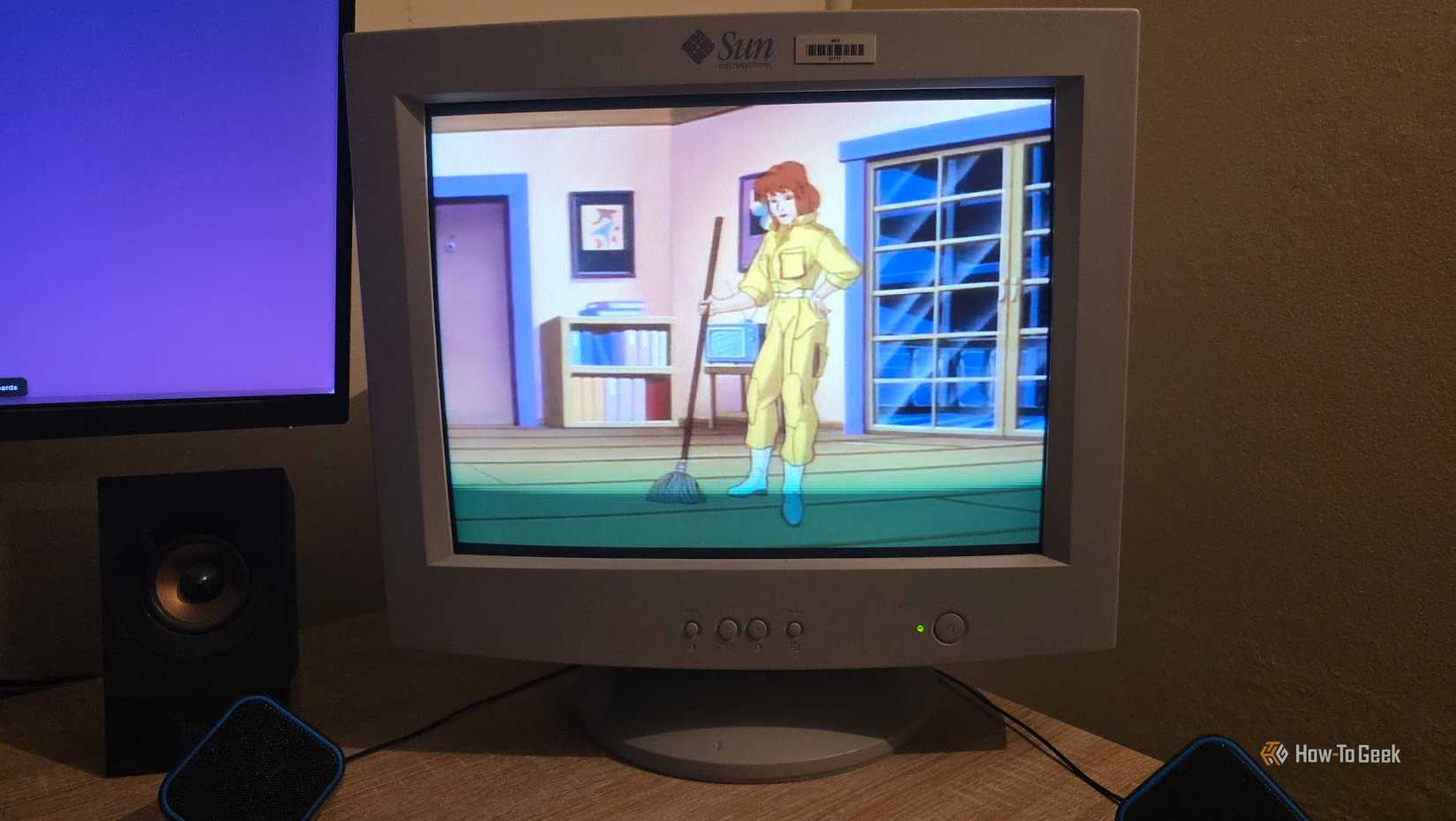
Butler highlights a specialized productivity technique known as the "Animedoro" method—a variation of the Pomodoro technique where work intervals are followed by a 20-minute break, just long enough to watch an episode of a classic show. For fans of 90s animation or vintage live-action sitcoms, a CRT is the ideal companion.
Standard definition (SD) content often looks "blown up" and noisy when stretched across a large, high-resolution 4K display. The inherent "softness" of a CRT monitor masks the imperfections of low-resolution video, making old cartoons and TV shows look "better than I remember," according to Butler. This extends to music history as well; platforms like Spotify and YouTube host vast archives of music videos filmed in the 4:3 format. On a CRT, these videos feel grounded in their original era, providing a nostalgic and high-quality background element to a modern workspace.
The Sega Dreamcast and the VGA Advantage
While many home consoles of the 90s require expensive converters to work with a PC monitor, the Sega Dreamcast stands out as a unique exception. Most consoles from that era, such as the Sony PlayStation or the Nintendo 64, output a 240p or 480i signal—formats that standard PC CRT monitors generally do not support without specialized upscaling hardware.
The Dreamcast, however, was ahead of its time, capable of outputting a native 480p signal. By using a VGA adapter, users can connect a Dreamcast directly to a CRT monitor. This setup is widely regarded by the gaming community as the definitive way to experience the console’s library. The result is a rock-solid, flicker-free image that showcases the Dreamcast’s vibrant colors and early 3D geometry with a level of clarity that was rarely seen on the consumer televisions of the late 90s. For anyone holding onto original Sega hardware, the CRT monitor is not just an option; it is an essential piece of the puzzle.
Creative Repurposing: The Virtual Aquarium
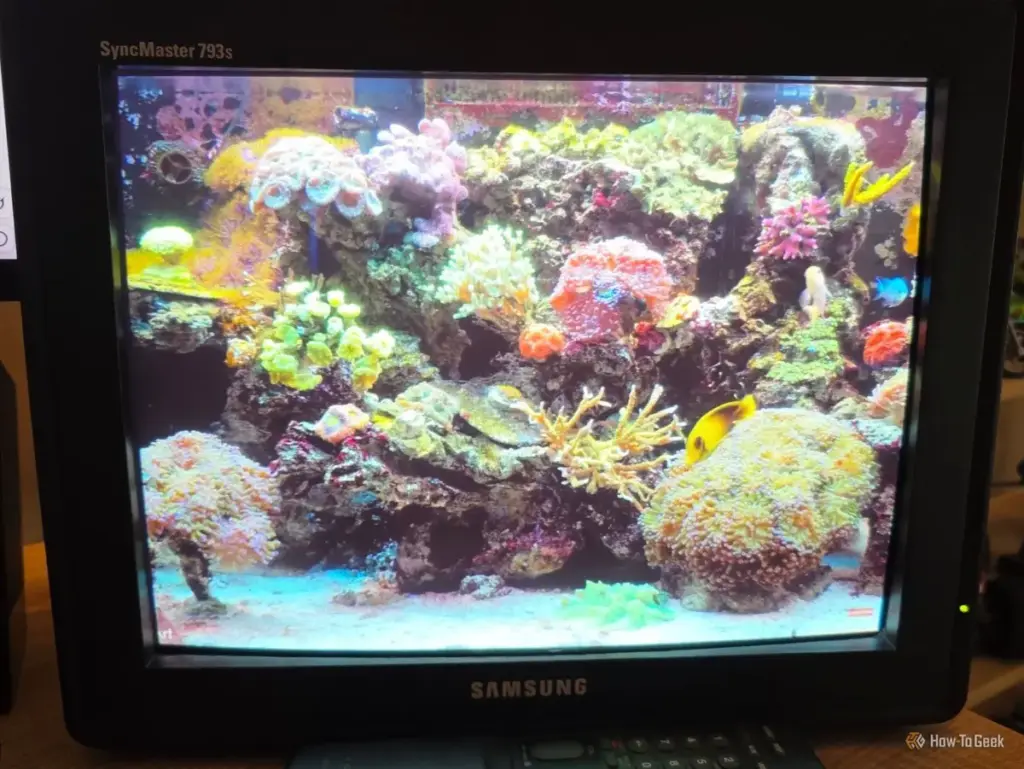
For those who aren’t interested in gaming or vintage television, the CRT monitor can still serve as a striking piece of functional decor. A popular DIY trend involves gutting dead CRTs to turn them into real fish tanks, but Butler suggests a less destructive alternative for functional units: the virtual aquarium.
 Tech Tutorials & How-To Guides
Battle of the Store Brands: How Ryobi, Craftsman, and Hyper Tough Reshape the DIY Power Tool Market
In the modern landscape of home improvement, the barrier to entry for...
 Tech Tutorials & How-To Guides
The Evolution of Mobile Audio: Why Your Smartphone is a Professional-Grade Microphone in Disguise
In the modern era of digital content creation, the barrier to entry...
 Tech Tutorials & How-To Guides
The Hidden Costs of the Modern Living Room: Why Your Smart TV Knows More Than You Think
In the contemporary landscape of consumer electronics, it has become an open...







