
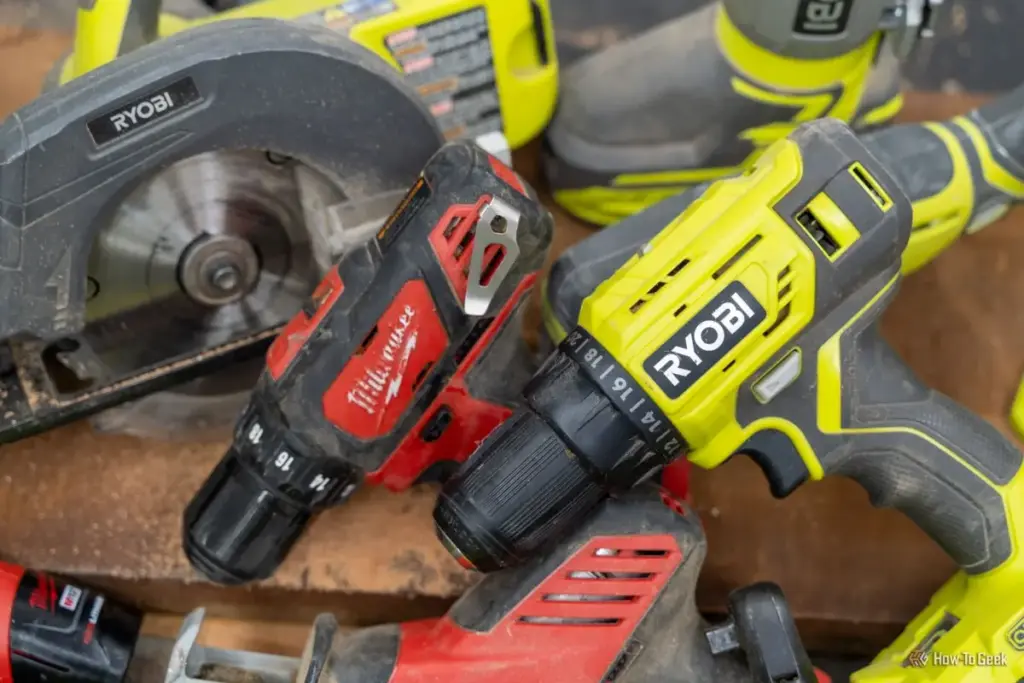
In the modern landscape of home improvement and professional construction, the cordless power drill stands as perhaps the most ubiquitous tool in the arsenal. From the weekend DIY enthusiast assembling flat-pack furniture to the seasoned commercial contractor framing high-rise structures, the drill is a constant companion. However, as the industry has shifted toward high-performance lithium-ion technology and brushless motors, a significant gap has emerged between the ruggedness of the hardware and the habits of the operators. While premium brands like Milwaukee and DeWalt have engineered tools that can withstand immense pressure and harsh environments, they are not invincible. The longevity of these sophisticated machines is often dictated less by their manufacturing quality and more by the daily habits of those who pull the trigger.
The misconception that a "contractor-grade" price tag equates to an indestructible tool is a common pitfall. In reality, the more advanced a drill becomes, the more sensitive its internal electronics and mechanical tolerances can be. While a professional contractor might understand the nuances of torque and gear ratios, the high-paced nature of the job site often leads to shortcuts. Conversely, homeowners may invest in top-tier equipment without fully grasping the functional settings designed to protect that investment. Regardless of the user’s experience level, several pervasive habits—ranging from poor battery management to incorrect mechanical settings—gradually degrade a drill’s internal components, leading to premature failure and costly replacements.
Thermal Management and the Lifecycle of Lithium-Ion Batteries
The transition from nickel-cadmium to lithium-ion batteries revolutionized the power tool industry, offering longer runtimes and consistent power delivery. However, this chemistry is notoriously sensitive to temperature. One of the most damaging habits observed among tool users is the mismanagement of battery heat cycles. In a fast-paced environment, it is common practice to remove a depleted, hot battery from a drill and immediately snap it into a fast charger. Similarly, users often pull a battery off the charger the moment the light turns green, even if the casing is still warm to the touch, and immediately put it under heavy load.
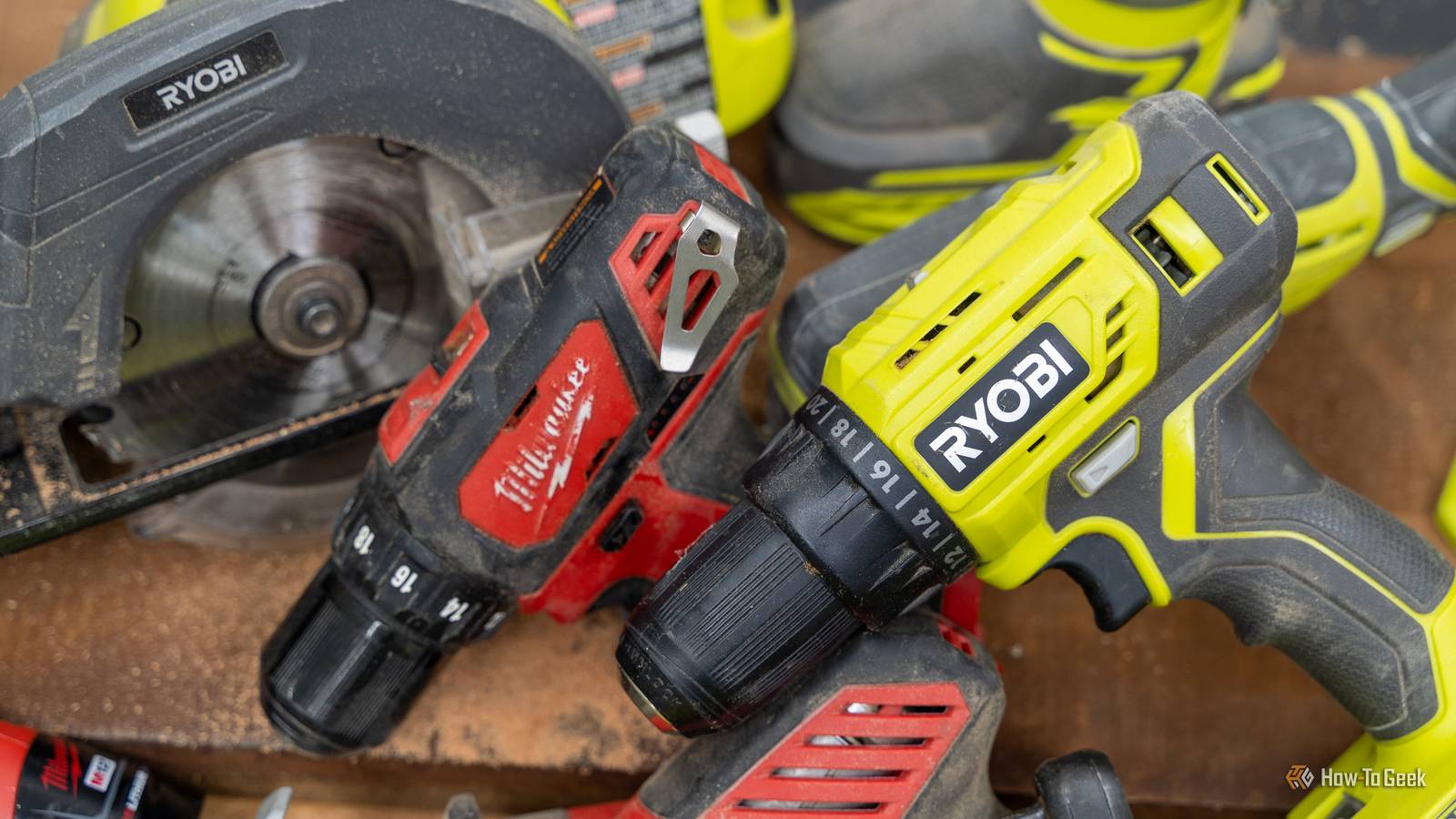
While premium charging systems from manufacturers like DeWalt and Milwaukee feature advanced circuitry designed to analyze cell health and detect temperature, they cannot entirely circumvent the laws of physics. These chargers are often programmed to delay the charging process until the battery reaches an acceptable temperature, but "acceptable" does not always mean "optimal." When a battery is charged while warm, the internal resistance increases, which can lead to a breakdown of the chemical structure over time. This degradation manifests as reduced capacity and a diminished ability to provide the high-torque bursts required for demanding tasks.
Furthermore, a compromised battery does more than just die quickly; it forces the drill’s motor to work harder to compensate for inconsistent voltage. This creates a feedback loop of excessive heat. As the battery struggles to provide power, the motor draws more current, generating internal heat that can eventually damage the drill’s electronic control board or melt the insulation on the motor windings. Maintaining a healthy rotation of batteries and allowing them to reach ambient room temperature before and after charging is a fundamental practice that can extend the life of both the power source and the tool itself.
Mechanical Stress and the Misuse of Gear and Clutch Settings
The mechanical complexity of a modern drill-driver is often overlooked. Most high-end drills feature a multi-speed gearbox and an adjustable clutch, yet these features are frequently ignored or misunderstood. A common "drill-killing" habit is the failure to match the gear setting to the task at hand. Most drills offer a high-torque/low-speed setting (Gear 1) and a low-torque/high-speed setting (Gear 2). Using Gear 2 to drive large lag bolts or heavy-duty screws places immense strain on the motor and the planetary gear system. This is akin to trying to start a manual transmission car in fifth gear; the motor must exert maximum effort to overcome the resistance, leading to rapid heat buildup and potential gear stripping.
 Tech Tutorials & How-To Guides
Essential Ryobi 18V ONE+ Tools Under $80 for New Homeowners and DIY Enthusiasts
The landscape of home improvement has shifted significantly over the last decade,...
 Tech Tutorials & How-To Guides
Beyond the Cloud: Why a Shift to Offline Password Management Is Becoming a Necessity for the Security-Conscious
In the modern digital landscape, the password manager has transitioned from a...
 Tech Tutorials & How-To Guides
Battle of the Store Brands: How Ryobi, Craftsman, and Hyper Tough Reshape the DIY Power Tool Market
In the modern landscape of home improvement, the barrier to entry for...







