
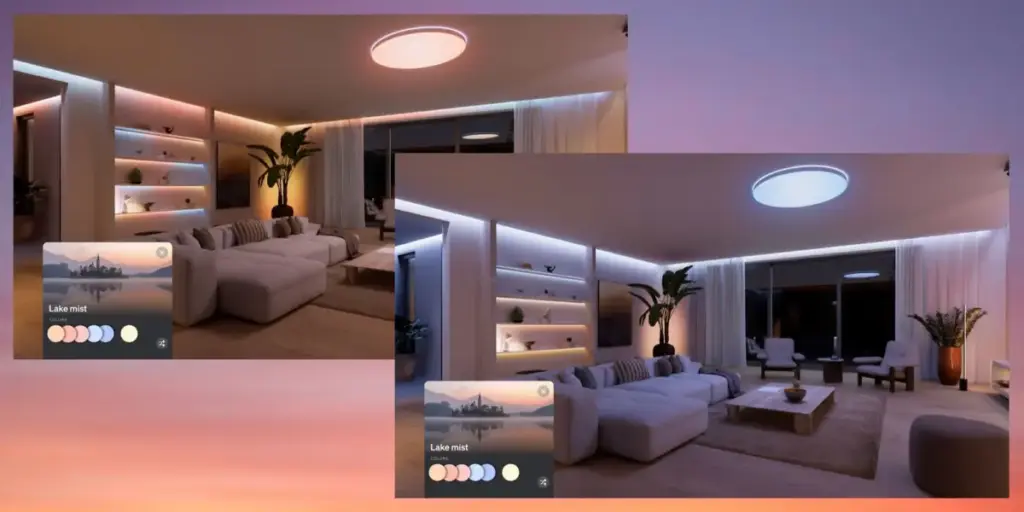
The landscape of smart home lighting has undergone a significant transformation today as Signify, the parent company of Philips Hue, officially released its highly anticipated "SpatialAware" technology. First teased in January as a glimpse into the future of immersive environments, the feature is now available to the public through a comprehensive update to the Philips Hue application for iPhone and iPad. This rollout marks a pivotal shift for the brand, moving beyond simple color-changing bulbs toward a sophisticated, spatially-conscious lighting ecosystem that understands the physical layout of a home.
SpatialAware is designed to solve one of the most persistent challenges in smart lighting: the disconnect between a digital "scene" and the physical placement of hardware. In traditional setups, a lighting scene—such as "Savanna Sunset" or "Arctic Aurora"—applies pre-set colors to specific bulbs regardless of where they are positioned in a room. This often results in a fragmented look where colors may clash or fail to flow logically across a space. With the introduction of SpatialAware, Philips Hue aims to create a more "natural and immersive" experience by allowing the system to intelligently distribute light based on the actual geometry of the environment.
The launch is accompanied by a series of updates for the Philips Hue video doorbell, further cementing the brand’s ambition to be a holistic provider of both home ambiance and domestic security. As users update their devices today, the integration between lighting and home monitoring becomes more seamless, offering a more unified interface for the modern smart home.
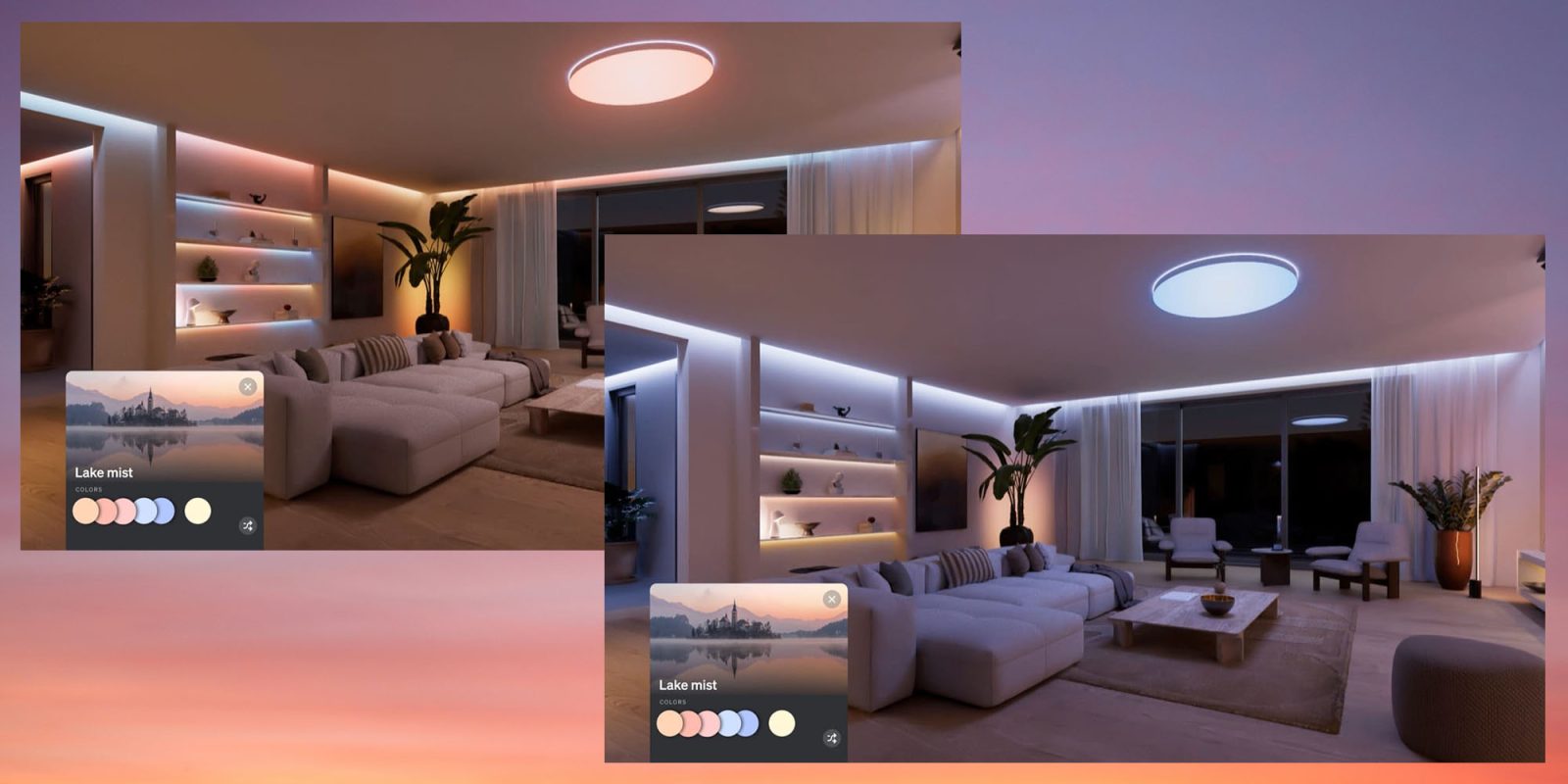
SpatialAware requires Hue lighting scenes to be remastered
The core of the SpatialAware experience lies in its ability to map a room and treat the entire space as a single, cohesive canvas. According to the release notes accompanying the latest iOS and iPadOS app update, the feature allows users to scan their rooms using their mobile devices. Once the scan is complete, the app uses intelligent algorithms to distribute scenes from the Hue Scene Gallery across the room’s various light points. This ensures that gradients flow smoothly from one corner to another and that the intensity and hue of each bulb are calibrated to match the physical distance between them.
However, this level of spatial intelligence requires a fundamental change in how lighting data is processed and delivered. To facilitate this, Philips Hue has begun the process of "remastering" its extensive library of lighting scenes. At launch, approximately half of the available scenes in the official Scene Gallery have been updated to support SpatialAware. These remastered versions contain the additional metadata required for the system to understand how colors should bleed and blend in a three-dimensional space.
The hardware requirements for this feature also signal a new era for the brand. To power the complex calculations necessary for SpatialAware, the new Philips Hue Bridge Pro is a mandatory requirement. While the standard Hue Bridge has served as the backbone of millions of homes for years, the Bridge Pro offers the enhanced processing power and memory needed to handle real-time spatial mapping and the intelligent distribution of remastered scenes. This hardware transition suggests that as smart home features become more reliant on edge computing and local AI processing, more powerful hubs will become the standard for high-end installations.
 Smart Home & IoT Solutions
Apple and LG Collaborate on Major Smart Home Expansion to Reboot the HomeKit Ecosystem
In a significant strategic shift aimed at revitalizing its presence in the...
 Smart Home & IoT Solutions
Abode Expands Smart Home Ecosystem with New Apple Home-Compatible Outdoor and Garage Sensors
The landscape of DIY home security continues to evolve as homeowners seek...
 Smart Home & IoT Solutions
Abode Expands Apple Home Ecosystem with New Ruggedized Garage and Outdoor Security Sensors
The landscape of DIY home security continues to evolve as homeowners move...







