
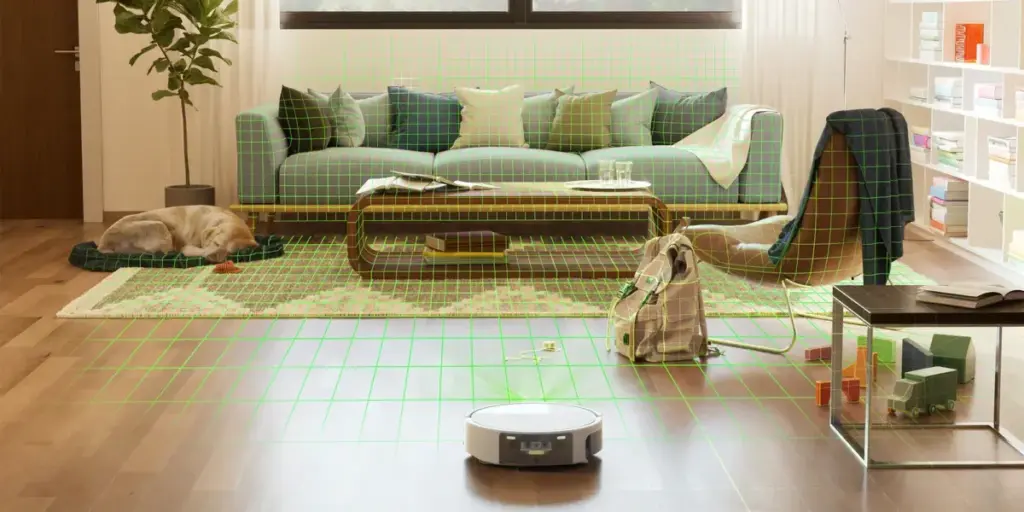
In a significant turn of events for the consumer robotics industry, iRobot, the American pioneer that essentially created the robot vacuum category, has officially re-emerged on the global stage. Only months after a voluntary bankruptcy filing that left the future of the Roomba brand in question, the company has announced a sweeping refresh of its product catalog. Under the new ownership of its primary manufacturing partner, Shenzhen PICEA Robotics, iRobot is launching eight new Roomba models designed to address the very competitive pressures that led to its recent financial instability.
The transition marks a pivotal moment for the brand, which has spent the last 23 years as the face of domestic robotics. Founded by members of the MIT Artificial Intelligence Lab in 1990, iRobot introduced the first Roomba in 2002, transforming the way households approached cleaning. However, in recent years, the company struggled to maintain its dominance. A combination of aggressive competition from international brands, particularly those offering high-end features at lower price points, and a failed acquisition attempt by Amazon, eventually forced the company into a restructuring process at the end of last year.
The acquisition by Shenzhen PICEA Robotics, a China-based firm that has long served as iRobot’s lead manufacturer, appears to have provided the necessary capital and supply chain integration to overhaul the product line. This "reborn" iRobot is moving away from the slower development cycles of its past, opting instead for a massive, simultaneous launch that targets both the entry-level and flagship segments of the market.
A New Design Philosophy: Smaller, Stronger, and Smarter
The cornerstone of the new Roomba lineup is a fundamental shift in hardware design. One of the primary criticisms of modern robot vacuums has been their increasing size; as manufacturers added larger batteries, water tanks, and mopping hardware, the units often became too bulky to navigate under low-profile furniture or between narrow chair legs. iRobot’s new owners have addressed this by announcing that many of the new models are up to 25 percent smaller than their predecessors.
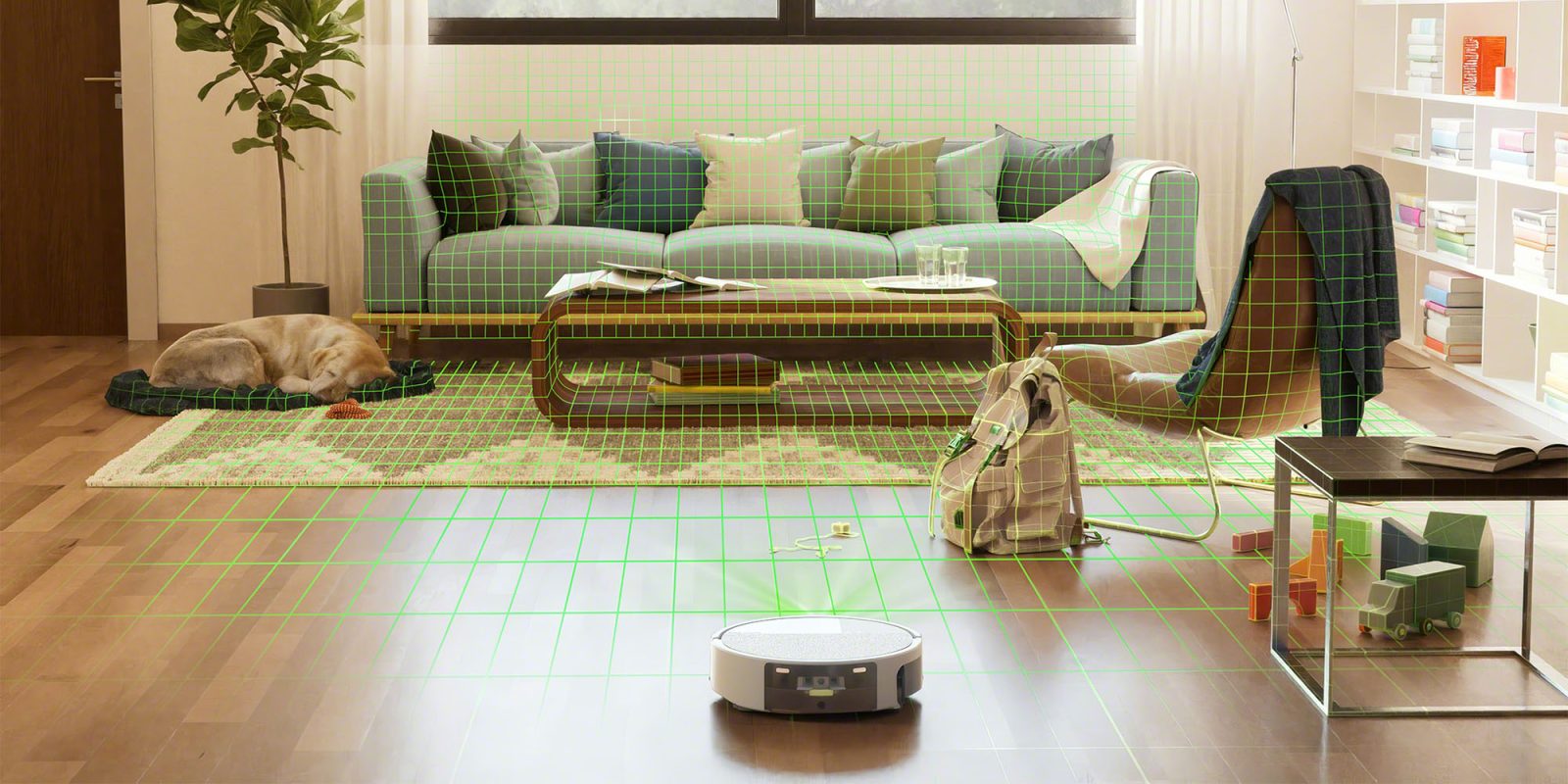
This reduction in footprint has not come at the expense of power. In fact, the technical specifications of the new units suggest a massive leap in performance. The company’s new flagship, the Max 775 Combo, boasts a staggering 30,000 Pa (Pascals) of suction power. To put this in perspective, the previous high-end model, the 705, offered 16,000 Pa. By nearly doubling the suction capability, iRobot is positioning itself to compete directly with the highest-performing models from rivals like Roborock and Dreame, which have recently pushed the boundaries of what consumers expect from a robotic cleaner.
This increase in suction power is particularly relevant for households with deep-pile carpeting or pet owners dealing with stubborn hair and debris. However, the innovations extend beyond raw vacuuming power. The new lineup places a heavy emphasis on "Combo" models—units that can both vacuum and mop in a single pass.
Advanced Mopping and Maintenance Features
 Smart Home & IoT Solutions
Apple Targets 2027 for Launch of Dedicated Home Security and Monitoring Service
For years, Apple’s presence in the smart home market has been characterized...
 Smart Home & IoT Solutions
Apple Gates Advanced AI Home Security Features Behind Premium 2TB iCloud Subscription
As the technology industry continues its aggressive pivot toward artificial intelligence, the...
 Smart Home & IoT Solutions
Apple Poised to Enter Smart Home Display Market with Design Inspired by Iconic iMac G4
In a move that signals a significant shift in its hardware strategy,...







