
For years, iRobot’s mopping solutions were often separate devices, such as the Braava line, or utilized a retractable mop arm on its Combo units. The new generation of Roombas introduces "hot spot mopping" and pressurized hot spray pretreatment. This system is designed to tackle dried-on stains by applying heat and pressure directly to the floor before the mopping pad passes over the area, a significant upgrade over the passive "damp cloth" approach used by many older robotic mops.
The flagship Max 775 also introduces a comprehensive automated maintenance system. While auto-empty docks have become a standard feature in the industry, the new 775 dock goes several steps further. It not only empties the robot’s internal dust bin but also manages the mopping system by washing the mop pads with hot water and drying them with a stream of hot air. This process is intended to prevent the buildup of bacteria and odors, a common pain point for users of integrated mop systems.
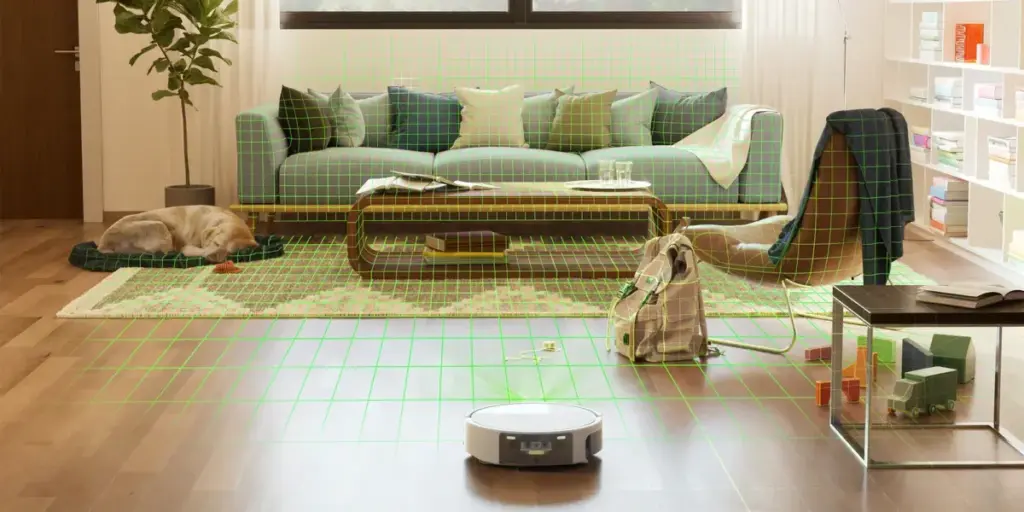
To navigate these complex cleaning tasks, iRobot continues to lean on its sophisticated sensor suites. The new models utilize a combination of LiDAR (Light Detection and Ranging) for rapid room mapping and AI-powered camera systems for obstacle avoidance. This dual-approach allows the robots to build precise maps of the home in minutes while identifying and avoiding temporary obstacles like charging cables, shoes, or pet waste—a technology iRobot has spent years refining.

Competitive Pricing Strategy
Perhaps the most telling sign of iRobot’s new direction is its pricing strategy. In the years leading up to its bankruptcy, iRobot often found itself squeezed between premium brands and budget-friendly newcomers. With the backing of Shenzhen PICEA Robotics, the company is now leveraging manufacturing efficiencies to offer more aggressive pricing.
While official US pricing is still being finalized, early figures from the UK market provide a clear picture of the company’s intent. The new entry-level model, the Roomba 115 Combo, is expected to start at approximately £229 (roughly $309). Despite its position as the base model, it features 15,000 Pa of suction—nearly matching the flagship power of the previous generation. For an additional £70 ($95), consumers can add an auto-empty dock, making it one of the most affordable fully automated cleaning systems on the market.
At the top end, the flagship Max 775 is priced at £799 (approximately $1,080). This represents a slight price reduction compared to previous flagship launches, which often neared the $1,200 to $1,400 mark. By lowering the barrier to entry for high-end features, iRobot is clearly attempting to claw back market share from the competitors that thrived during its period of financial struggle.
The Implications of the Transition
 Smart Home & IoT Solutions
SwitchBot Unveils Lock Vision Series Featuring 3D Facial Recognition and Native Matter Integration
In the rapidly evolving landscape of smart home security, the transition toward...
 Smart Home & IoT Solutions
Apple Ties New AI-Powered Home Security Features to Premium 2TB iCloud+ Subscription Tier
As Apple continues to integrate its sophisticated "Apple Intelligence" suite across its...
 Smart Home & IoT Solutions
Apple Intelligence in the Home: New AI Security Features Require Top-Tier iCloud+ Subscription
As the development cycle for Apple’s upcoming software ecosystem continues, the release...







