
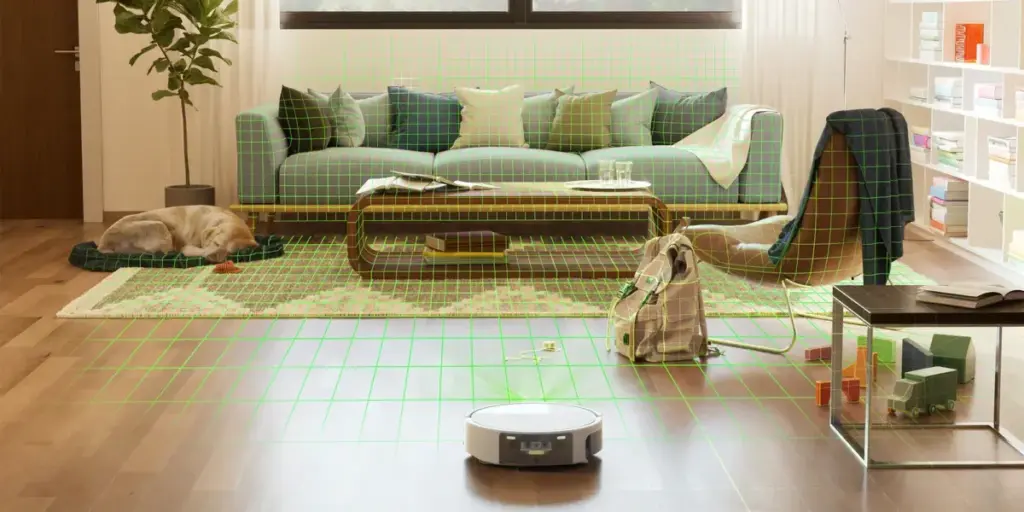
In a significant turn of events for the consumer robotics industry, iRobot, the American pioneer that essentially created the robot vacuum category, has officially re-emerged on the global stage. Only months after a voluntary bankruptcy filing that left the future of the Roomba brand in question, the company has announced a sweeping refresh of its product catalog. Under the new ownership of its primary manufacturing partner, Shenzhen PICEA Robotics, iRobot is launching eight new Roomba models designed to address the very competitive pressures that led to its recent financial instability.
The transition marks a pivotal moment for the brand, which has spent the last 23 years as the face of domestic robotics. Founded by members of the MIT Artificial Intelligence Lab in 1990, iRobot introduced the first Roomba in 2002, transforming the way households approached cleaning. However, in recent years, the company struggled to maintain its dominance. A combination of aggressive competition from international brands, particularly those offering high-end features at lower price points, and a failed acquisition attempt by Amazon, eventually forced the company into a restructuring process at the end of last year.
The acquisition by Shenzhen PICEA Robotics, a China-based firm that has long served as iRobot’s lead manufacturer, appears to have provided the necessary capital and supply chain integration to overhaul the product line. This "reborn" iRobot is moving away from the slower development cycles of its past, opting instead for a massive, simultaneous launch that targets both the entry-level and flagship segments of the market.
A New Design Philosophy: Smaller, Stronger, and Smarter
The cornerstone of the new Roomba lineup is a fundamental shift in hardware design. One of the primary criticisms of modern robot vacuums has been their increasing size; as manufacturers added larger batteries, water tanks, and mopping hardware, the units often became too bulky to navigate under low-profile furniture or between narrow chair legs. iRobot’s new owners have addressed this by announcing that many of the new models are up to 25 percent smaller than their predecessors.
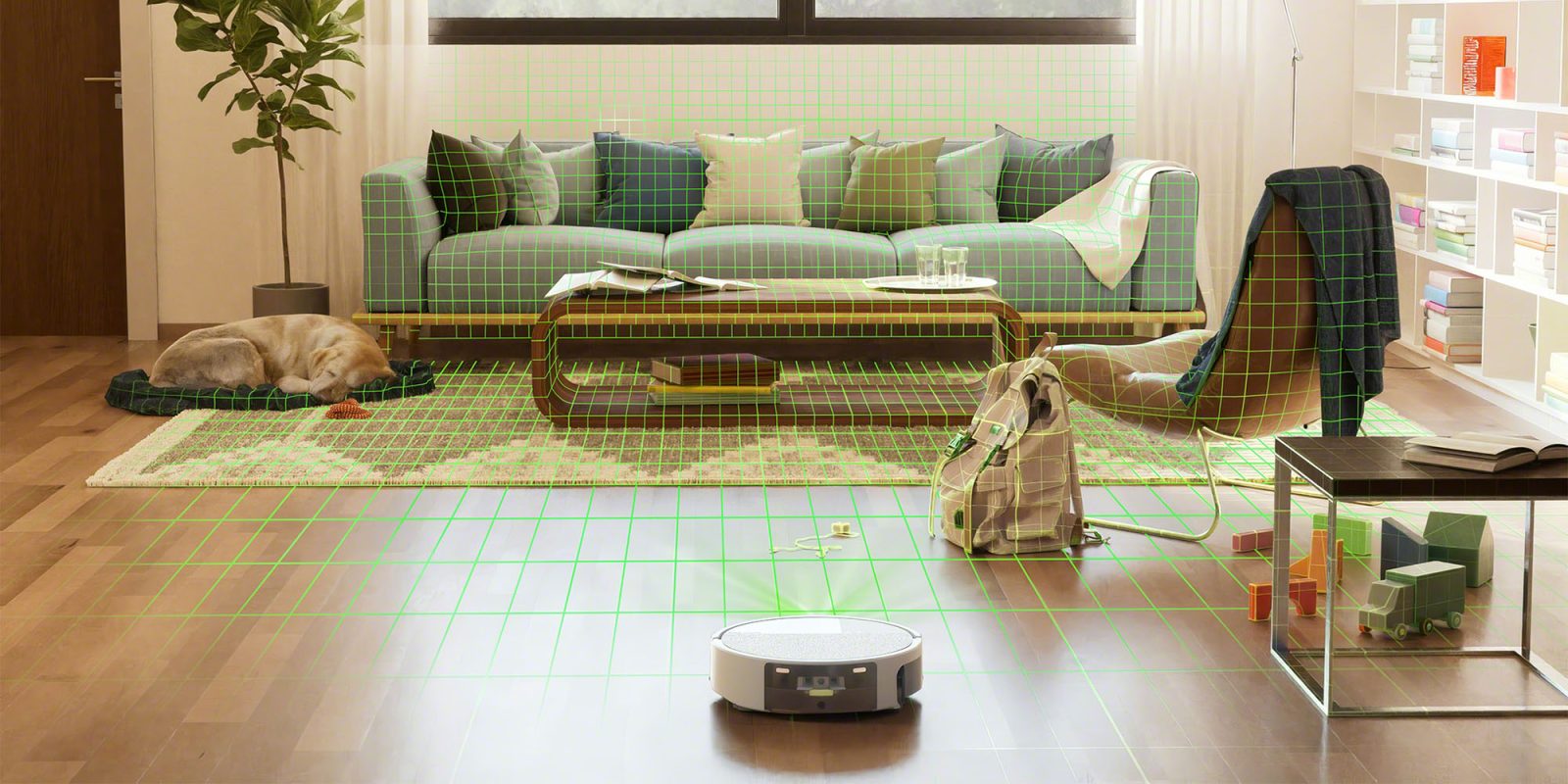
This reduction in footprint has not come at the expense of power. In fact, the technical specifications of the new units suggest a massive leap in performance. The company’s new flagship, the Max 775 Combo, boasts a staggering 30,000 Pa (Pascals) of suction power. To put this in perspective, the previous high-end model, the 705, offered 16,000 Pa. By nearly doubling the suction capability, iRobot is positioning itself to compete directly with the highest-performing models from rivals like Roborock and Dreame, which have recently pushed the boundaries of what consumers expect from a robotic cleaner.
This increase in suction power is particularly relevant for households with deep-pile carpeting or pet owners dealing with stubborn hair and debris. However, the innovations extend beyond raw vacuuming power. The new lineup places a heavy emphasis on "Combo" models—units that can both vacuum and mop in a single pass.
Advanced Mopping and Maintenance Features
For years, iRobot’s mopping solutions were often separate devices, such as the Braava line, or utilized a retractable mop arm on its Combo units. The new generation of Roombas introduces "hot spot mopping" and pressurized hot spray pretreatment. This system is designed to tackle dried-on stains by applying heat and pressure directly to the floor before the mopping pad passes over the area, a significant upgrade over the passive "damp cloth" approach used by many older robotic mops.
The flagship Max 775 also introduces a comprehensive automated maintenance system. While auto-empty docks have become a standard feature in the industry, the new 775 dock goes several steps further. It not only empties the robot’s internal dust bin but also manages the mopping system by washing the mop pads with hot water and drying them with a stream of hot air. This process is intended to prevent the buildup of bacteria and odors, a common pain point for users of integrated mop systems.
To navigate these complex cleaning tasks, iRobot continues to lean on its sophisticated sensor suites. The new models utilize a combination of LiDAR (Light Detection and Ranging) for rapid room mapping and AI-powered camera systems for obstacle avoidance. This dual-approach allows the robots to build precise maps of the home in minutes while identifying and avoiding temporary obstacles like charging cables, shoes, or pet waste—a technology iRobot has spent years refining.

Competitive Pricing Strategy
Perhaps the most telling sign of iRobot’s new direction is its pricing strategy. In the years leading up to its bankruptcy, iRobot often found itself squeezed between premium brands and budget-friendly newcomers. With the backing of Shenzhen PICEA Robotics, the company is now leveraging manufacturing efficiencies to offer more aggressive pricing.
While official US pricing is still being finalized, early figures from the UK market provide a clear picture of the company’s intent. The new entry-level model, the Roomba 115 Combo, is expected to start at approximately £229 (roughly $309). Despite its position as the base model, it features 15,000 Pa of suction—nearly matching the flagship power of the previous generation. For an additional £70 ($95), consumers can add an auto-empty dock, making it one of the most affordable fully automated cleaning systems on the market.
At the top end, the flagship Max 775 is priced at £799 (approximately $1,080). This represents a slight price reduction compared to previous flagship launches, which often neared the $1,200 to $1,400 mark. By lowering the barrier to entry for high-end features, iRobot is clearly attempting to claw back market share from the competitors that thrived during its period of financial struggle.
The Implications of the Transition
The shift from a US-based independent company to one owned by its Chinese manufacturer is a significant narrative shift for iRobot. While the brand remains synonymous with American innovation, the operational reality now mirrors much of the rest of the consumer electronics world, where tight integration between design and manufacturing is key to survival.

Industry analysts suggest that this move was likely the only way for the Roomba brand to survive in a market that has moved toward "feature-creep," where new models are expected every year with increasingly complex hardware. By moving ownership to the entity that actually builds the machines, iRobot can potentially reduce overhead and accelerate the time it takes to bring new technologies to market.
For existing Roomba owners, the re-emergence of the company provides a sense of relief. When the bankruptcy was first announced, there were concerns regarding the longevity of cloud-based services, app updates, and the availability of replacement parts. The announcement of eight new models suggests that the new owners are committed to the brand for the long term and intend to keep the ecosystem active and evolving.
Looking Ahead
The new Roomba lineup represents a "reset" for a company that was once the undisputed king of its domain. By focusing on smaller footprints, dramatically higher suction, and advanced mopping capabilities, iRobot is attempting to prove that it can still innovate rather than just ride the coat-tails of its famous name.
As these eight new models begin to roll out globally, the focus will shift to how they perform in real-world environments. The leap to 30,000 Pa of suction and the integration of hot-water maintenance docks are bold steps that bring iRobot back into the conversation for the "best in class" title. Whether this new, leaner, and more aggressive version of iRobot can regain its throne remains to be seen, but the launch of this diverse and technologically advanced lineup is a powerful first step in its second act.
With the base model 115 and the flagship 775 leading the charge, iRobot is covering the entire spectrum of the market, ensuring that there is a Roomba for every budget. The combination of historical brand loyalty and modern, competitive specifications may just be the formula needed to ensure that the pioneer of the robot vacuum doesn’t become a relic of its own history.
 Smart Home & IoT Solutions
Apple Intelligence and 4K Video: A Deep Dive into the iOS 27 Home App Overhaul
As Apple prepares for its highly anticipated "Welcome Home" special event on...
 Smart Home & IoT Solutions
Apple Prepares Major Smart Home Overhaul as Apple Intelligence Breathes New Life into Siri
For several years, Apple’s presence in the smart home market has been...
 Smart Home & IoT Solutions
Apple Signals Major Smart Home Pivot with Rumored 2027 Security Service and AI-Driven Hardware
For years, Apple’s presence in the smart home market has been characterized...







