
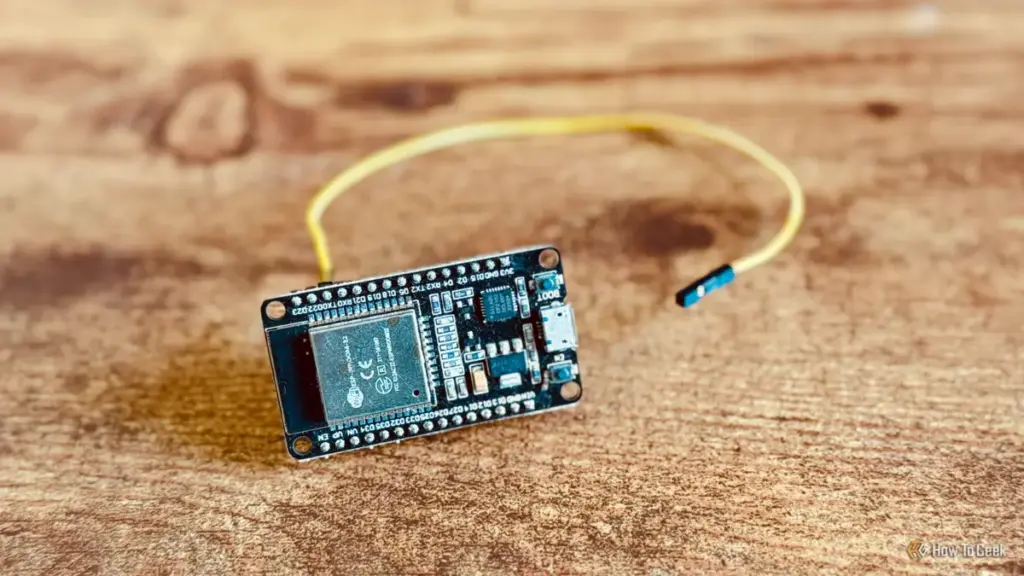
In the rapidly evolving landscape of the modern smart home, the ESP32 microcontroller has emerged as a ubiquitous and indispensable tool. Favored for its integrated Wi-Fi and Bluetooth capabilities, its low power consumption, and—perhaps most significantly—its remarkably low price point, the ESP32 has become the bedrock of DIY automation. It is not uncommon for enthusiasts to purchase these boards in bulk, often deploying a fresh unit for every new task that arises. However, as the complexity of home automation systems grows, a new perspective is gaining traction among tech experts: the habit of assigning a single ESP32 to a single task may be an inefficient use of hardware that is capable of far more than many users realize.
One of the most common deployments for the ESP32 in recent years is the "Bluetooth proxy." As smart home ecosystems like Home Assistant have matured, the need to communicate with localized Bluetooth devices—such as smart locks, temperature sensors, and curtain drivers—has increased. Because Bluetooth has a notoriously limited range, a central server located in a basement or a media closet often struggles to reach devices on the far side of a home. The solution has been the Bluetooth proxy, a simple software configuration that allows an ESP32 to act as a bridge, catching Bluetooth signals and relaying them over the home’s Wi-Fi network to the central server.
While the Bluetooth proxy is a vital component of a robust smart home, experts suggest that treating an ESP32 solely as a proxy is a missed opportunity. These microcontrollers are equipped with significant processing power and a wealth of physical connection points that often sit idle, representing a waste of both financial resources and hardware potential.
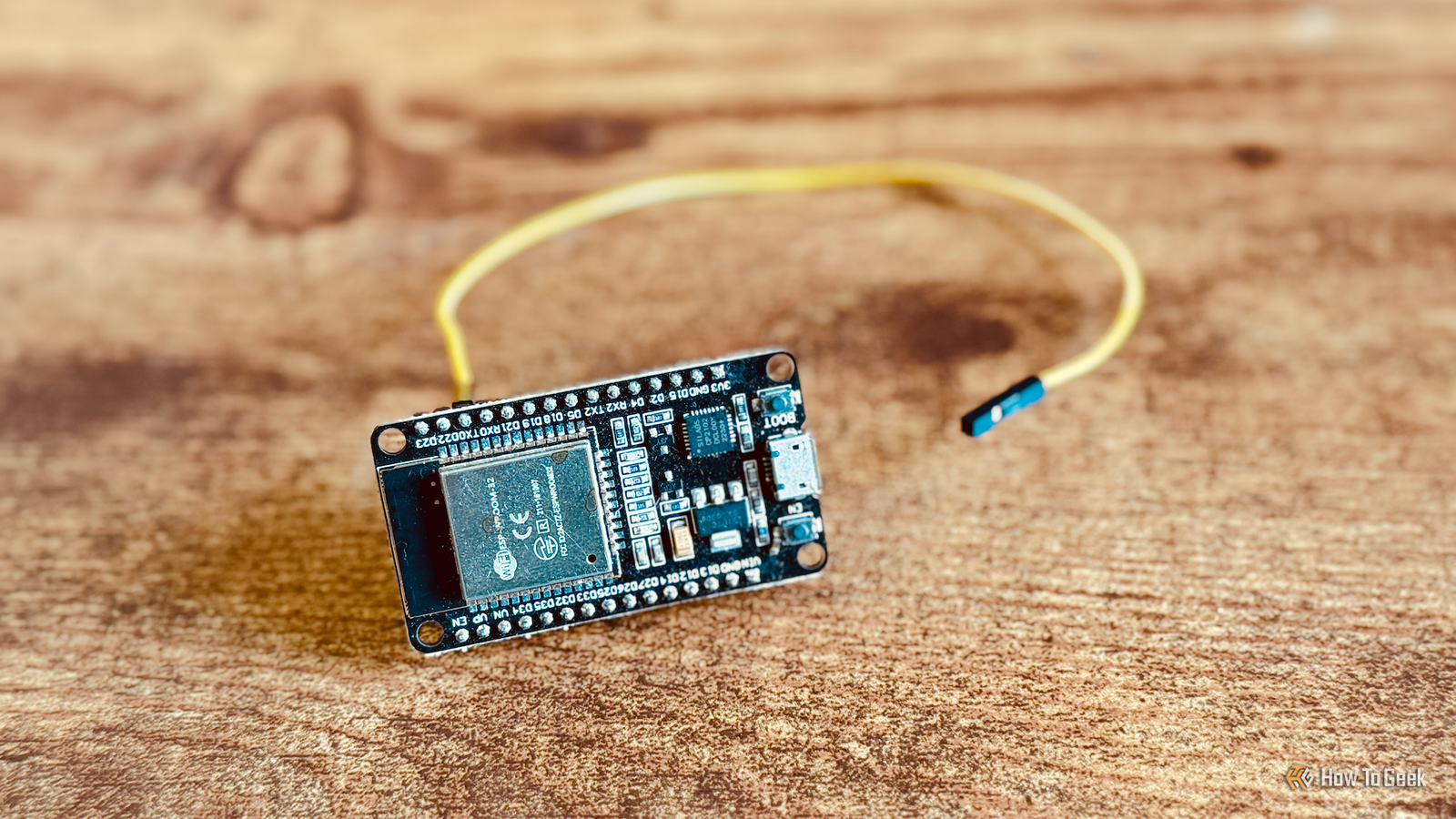
Your Bluetooth Proxy Is Still a General-Purpose ESP32
The beauty of the Bluetooth proxy lies in its simplicity. For many, the journey begins with ESPHome, an open-source system that makes creating custom firmware for ESP32 boards as easy as writing a few lines of configuration text. ESPHome provides a ready-made "Bluetooth proxy" component that can be flashed onto a device in minutes. Once active, the board sits in a wall outlet or tucked behind furniture, silently passing data back and forth.
However, a fundamental misunderstanding persists among some hobbyists: the belief that once a board is flashed as a proxy, its hardware is "locked" into that specific role. In reality, the ESP32 is a dual-core processor (in most standard models) capable of handling multiple concurrent threads of logic. A Bluetooth proxy utilizes the radio hardware, but it barely scratches the surface of what the chip’s General-Purpose Input/Output (GPIO) pins can accomplish.
If a user deploys an ESP32 solely to bridge a connection to a smart bulb or a finger-bot, they are effectively leaving the majority of the device’s capabilities on the table. The board is essentially a high-performance computer being used as a simple extension cord. By recognizing that the proxy is still a general-purpose microcontroller, users can begin to consolidate their hardware, reducing the number of devices plugged into their walls and decreasing the congestion on their Wi-Fi networks.
 Tech Tutorials & How-To Guides
Exploring the Frontiers of the Unknown: Three Essential Science Fiction Films to Stream on Netflix This Weekend
As the autumn of 2026 unfolds, the digital landscape of the American...
 Tech Tutorials & How-To Guides
Open-Source Innovation: Transforming Modern Living Through Versatile ESP32-Based Smart Home Integrations
The landscape of the modern smart home is often dominated by a...
 Tech Tutorials & How-To Guides
The Hidden Expiry Date: Why Your Smart Home Hardware May Fail Sooner Than You Think
In the early days of the smart home revolution, early adopters were...







