
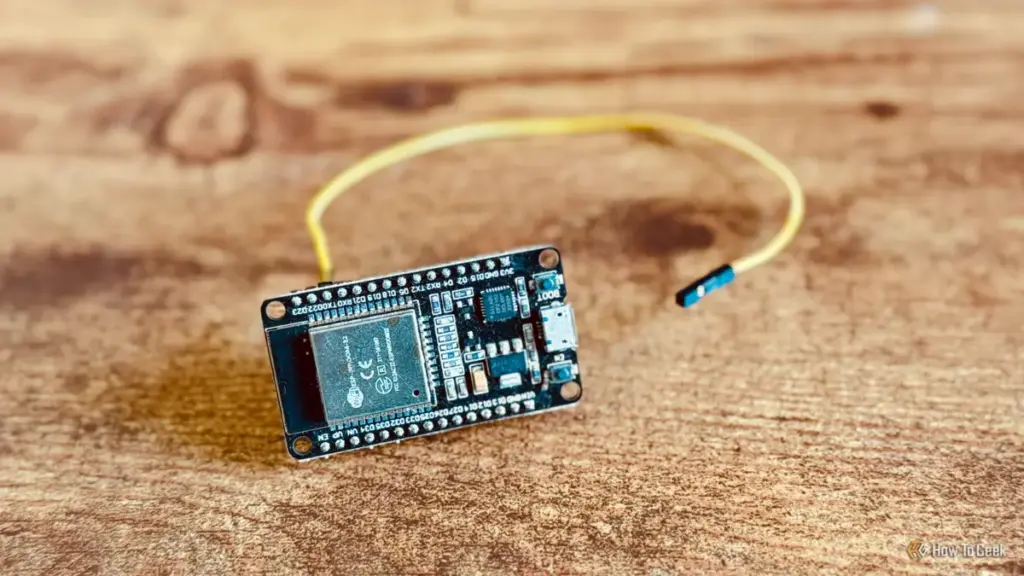
In the rapidly evolving landscape of the modern smart home, the ESP32 microcontroller has emerged as a ubiquitous and indispensable tool. Favored for its integrated Wi-Fi and Bluetooth capabilities, its low power consumption, and—perhaps most significantly—its remarkably low price point, the ESP32 has become the bedrock of DIY automation. It is not uncommon for enthusiasts to purchase these boards in bulk, often deploying a fresh unit for every new task that arises. However, as the complexity of home automation systems grows, a new perspective is gaining traction among tech experts: the habit of assigning a single ESP32 to a single task may be an inefficient use of hardware that is capable of far more than many users realize.
One of the most common deployments for the ESP32 in recent years is the "Bluetooth proxy." As smart home ecosystems like Home Assistant have matured, the need to communicate with localized Bluetooth devices—such as smart locks, temperature sensors, and curtain drivers—has increased. Because Bluetooth has a notoriously limited range, a central server located in a basement or a media closet often struggles to reach devices on the far side of a home. The solution has been the Bluetooth proxy, a simple software configuration that allows an ESP32 to act as a bridge, catching Bluetooth signals and relaying them over the home’s Wi-Fi network to the central server.
While the Bluetooth proxy is a vital component of a robust smart home, experts suggest that treating an ESP32 solely as a proxy is a missed opportunity. These microcontrollers are equipped with significant processing power and a wealth of physical connection points that often sit idle, representing a waste of both financial resources and hardware potential.
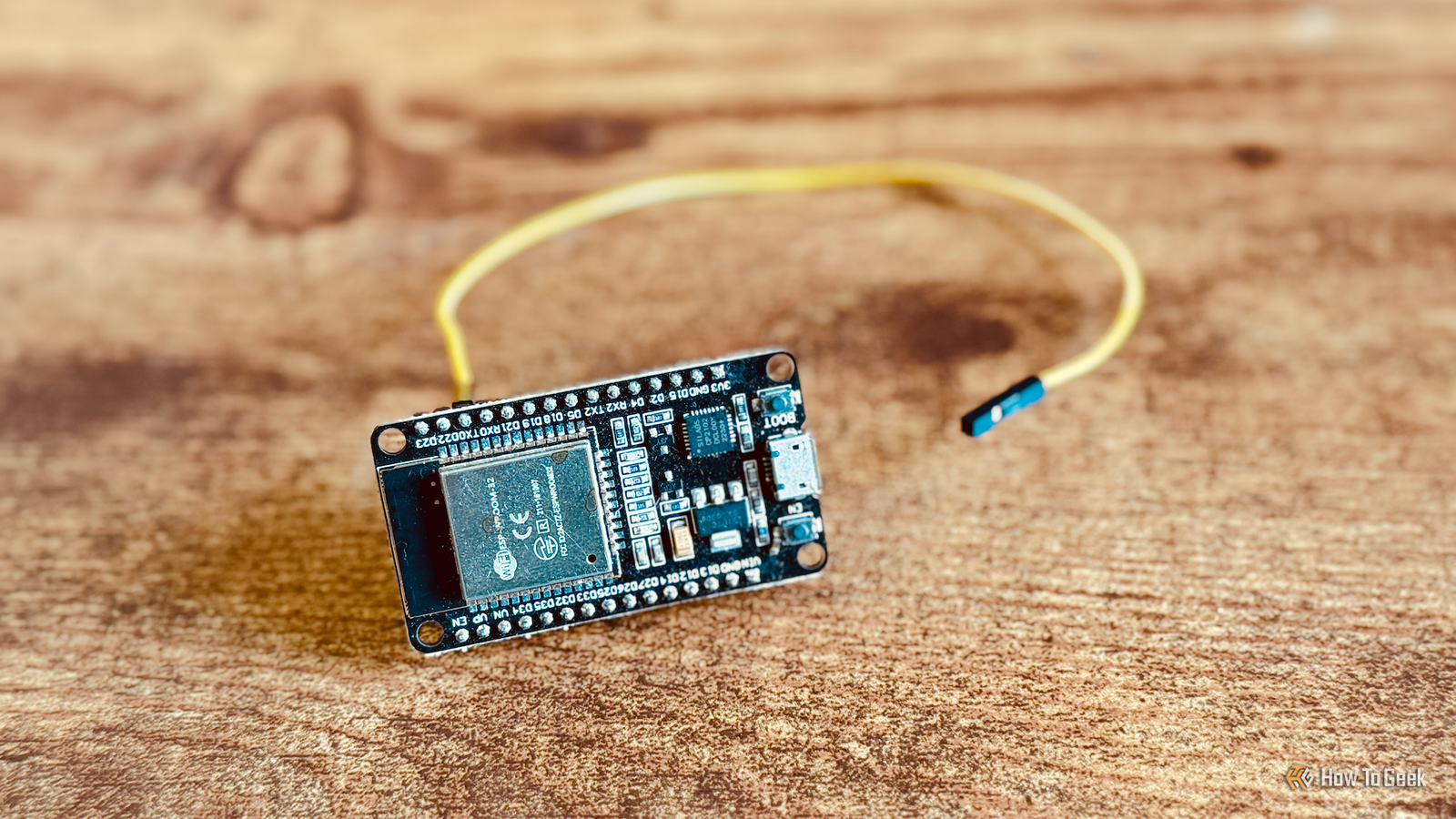
Your Bluetooth Proxy Is Still a General-Purpose ESP32
The beauty of the Bluetooth proxy lies in its simplicity. For many, the journey begins with ESPHome, an open-source system that makes creating custom firmware for ESP32 boards as easy as writing a few lines of configuration text. ESPHome provides a ready-made "Bluetooth proxy" component that can be flashed onto a device in minutes. Once active, the board sits in a wall outlet or tucked behind furniture, silently passing data back and forth.
However, a fundamental misunderstanding persists among some hobbyists: the belief that once a board is flashed as a proxy, its hardware is "locked" into that specific role. In reality, the ESP32 is a dual-core processor (in most standard models) capable of handling multiple concurrent threads of logic. A Bluetooth proxy utilizes the radio hardware, but it barely scratches the surface of what the chip’s General-Purpose Input/Output (GPIO) pins can accomplish.
If a user deploys an ESP32 solely to bridge a connection to a smart bulb or a finger-bot, they are effectively leaving the majority of the device’s capabilities on the table. The board is essentially a high-performance computer being used as a simple extension cord. By recognizing that the proxy is still a general-purpose microcontroller, users can begin to consolidate their hardware, reducing the number of devices plugged into their walls and decreasing the congestion on their Wi-Fi networks.
ESPHome Lets Your Bluetooth Proxy Do More Than One Job
The shift from single-purpose devices to multi-functional nodes is facilitated largely by the architecture of ESPHome. Unlike traditional Arduino programming, which might require a user to manually manage complex timing and interrupts to handle multiple sensors, ESPHome uses a modular approach. By adding different "components" to a single configuration file, a user can instruct the ESP32 to perform a variety of tasks simultaneously.

For example, the bluetooth_proxy component can live alongside a dht component for temperature sensing and a status_led component for visual feedback. When the firmware is compiled and uploaded, the ESP32 manages these tasks in parallel. The Bluetooth proxy continues to relay signals in the background, while the GPIO pins actively monitor any attached sensors.
This multi-tasking capability is particularly beneficial for those looking to maintain a "clean" smart home. Instead of having one ESP32 for a Bluetooth proxy and another separate unit for a light level sensor in the same room, a single board can handle both. This not only saves the cost of the second board but also eliminates the need for an additional power supply and an extra IP address on the local network.
Spare Pins Can Add Surprisingly Useful Sensors
The practical applications of this hardware consolidation are limited only by the user’s imagination and the number of available pins on the board. In many enthusiast setups, ESP32 boards are distributed throughout the home to facilitate room-based presence detection. Using integrations such as "Bermuda," these proxies measure the Bluetooth signal strength (RSSI) of wearable devices like an Apple Watch or a smartphone. By comparing the signal strength across multiple proxies, the smart home server can determine exactly which room a person is in, allowing for highly localized automations—such as turning on the lights or adjusting the climate only when a specific person enters the space.
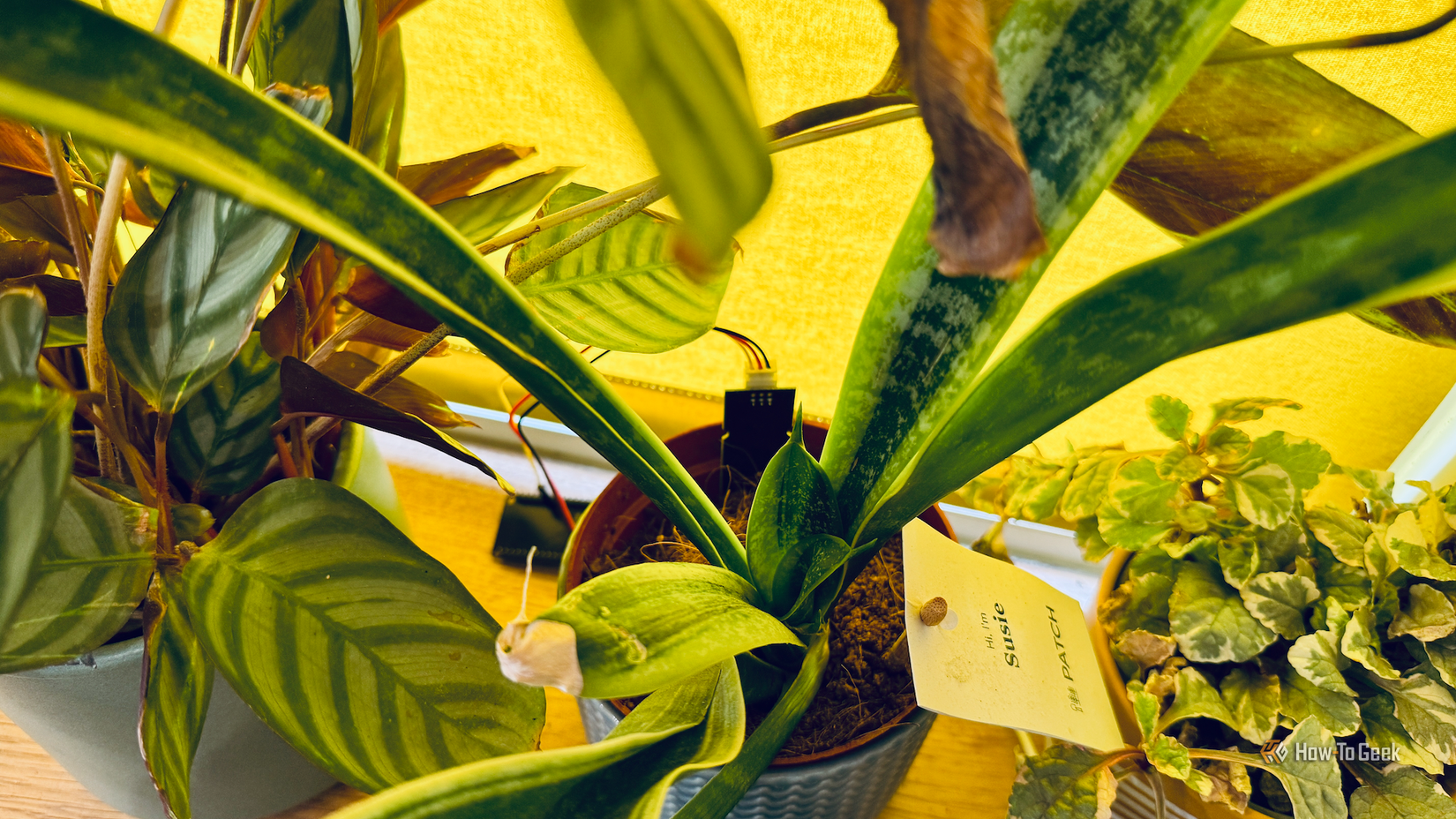
While these proxies are already performing a valuable service by tracking location, their GPIO pins remain available for further expansion. A common and highly effective addition is the soil moisture sensor. For users with indoor plants, a proxy located near a window or on a bookshelf can easily be wired to a capacitive moisture probe tucked into a nearby pot. The ESP32 then serves a dual purpose: it tracks the user’s location via Bluetooth and monitors the health of the plant via its GPIO pins.
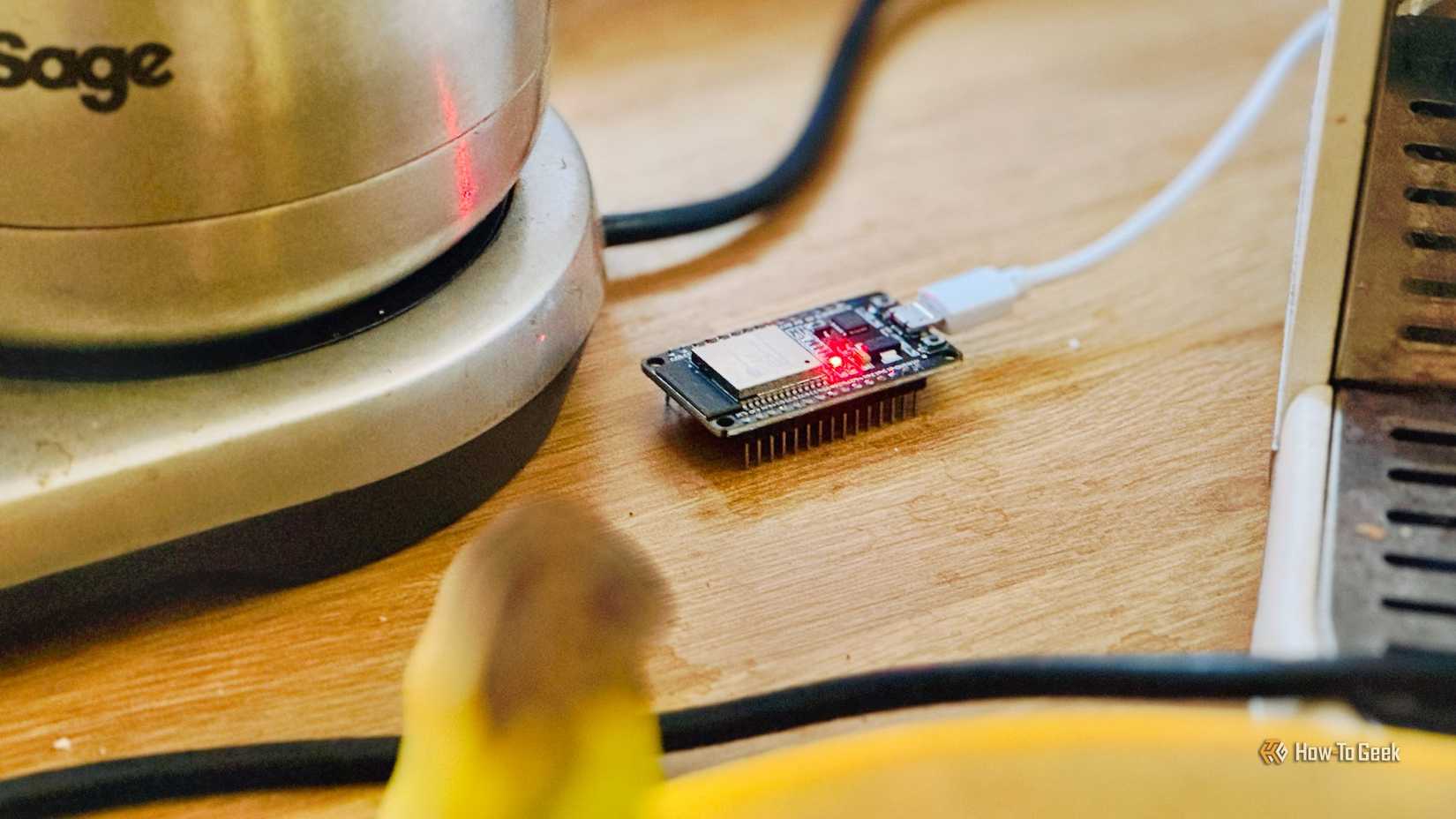
Beyond plant care, these "spare" pins can support a wide array of environmental sensors. A proxy located in a bathroom could be equipped with a DHT22 sensor to monitor humidity, triggering an exhaust fan when the shower is in use. A proxy in a hallway could host an mmWave presence sensor, which uses radar technology to detect the slightest human movement—even breathing—providing a much higher degree of accuracy than traditional PIR motion sensors. By stacking these functions, a single five-dollar microcontroller becomes a sophisticated multi-sensor node that forms the "eyes and ears" of the home.
Not Every Spare-Looking Pin Is Actually Spare
Despite the immense flexibility of the ESP32, the process of adding sensors is not without its technical hurdles. One of the most common pitfalls for beginners is the assumption that every pin labeled on the board is available for any purpose. In reality, the ESP32 has several "strapping pins" and pins with internal restrictions that must be respected to ensure the device functions correctly.
Different ESP32 models—such as the classic ESP32, the S2, the S3, or the C3—feature different pinouts and capabilities. Some pins are required to be in a specific state (high or low) during the boot process. If a sensor is attached to one of these pins and happens to pull the voltage in the wrong direction when the device is powered on, the ESP32 may fail to start, enter a boot loop, or attempt to flash new firmware from an empty source.
Furthermore, electrical safety and logic levels are a critical consideration. While many DIY electronics components operate on 5V power, the ESP32 is a 3.3V device. Its GPIO pins are generally not 5V-tolerant. Connecting a 5V sensor signal directly to an ESP32 pin can result in permanent damage to the microcontroller. Users must carefully consult pinout diagrams and datasheets to identify "safe" pins—those that do not interfere with the boot process and are compatible with the voltage levels of the intended sensors.
Making the Most of Your Hardware
The trend toward more efficient hardware utilization reflects a broader maturation of the DIY smart home community. As the novelty of cheap microcontrollers wears off, the focus is shifting toward architectural elegance and reliability. Building a smart home that "works like magic"—as many enthusiasts strive to do—requires a foundation of robust, multi-functional hardware.
By transforming simple Bluetooth proxies into multi-sensor hubs, users can achieve a higher level of automation with a smaller physical footprint. The ESP32 is a testament to the power of modern silicon, offering a level of performance that was once reserved for much more expensive and power-hungry devices. Whether it is monitoring the moisture of a fiddle-leaf fig, tracking the humidity of a basement, or detecting the presence of a person through a wall, the ESP32 is more than capable of doing it all at once.
The next time you reach for a new board to start a project, it may be worth looking at the devices already plugged into your walls. With a few extra wires and a small update to a configuration file, the hardware you already own might be ready to take on a whole new set of responsibilities.
 Tech Tutorials & How-To Guides
Essential Ryobi 18V ONE+ Tools Under $80 for New Homeowners and DIY Enthusiasts
The landscape of home improvement has shifted significantly over the last decade,...
 Tech Tutorials & How-To Guides
To Boldly Go From Your Desktop: Celebrating 60 Years of Star Trek Through Modern Tech Hobbies
As the calendar turns to late 2026, the global science fiction community...
 Tech Tutorials & How-To Guides
The Best Netflix Miniseries to Binge on a Sick Day: A Curated Guide to Recovery Viewing
There is a specific, universal rhythm to the onset of a seasonal...







