
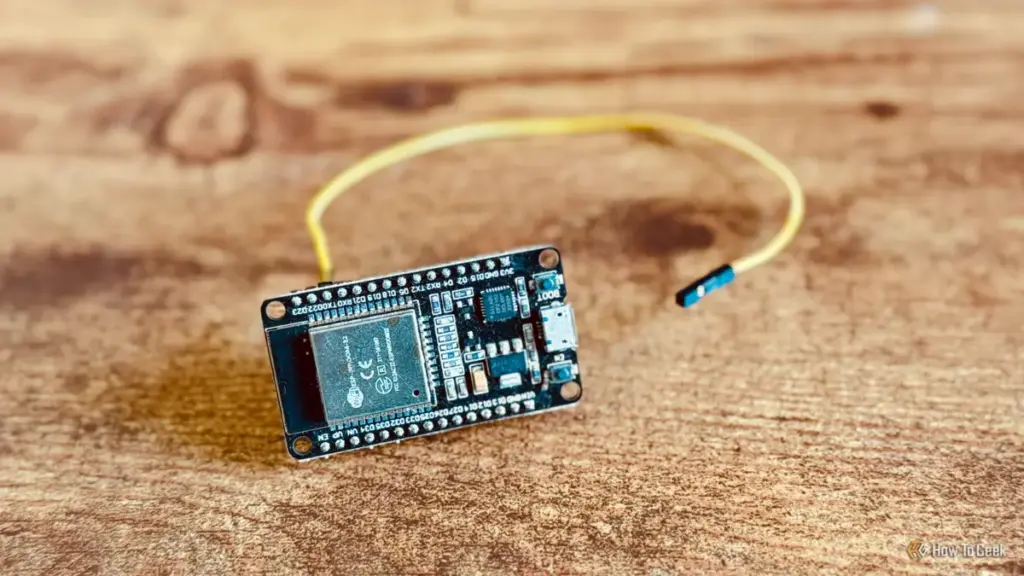
ESPHome Lets Your Bluetooth Proxy Do More Than One Job
The shift from single-purpose devices to multi-functional nodes is facilitated largely by the architecture of ESPHome. Unlike traditional Arduino programming, which might require a user to manually manage complex timing and interrupts to handle multiple sensors, ESPHome uses a modular approach. By adding different "components" to a single configuration file, a user can instruct the ESP32 to perform a variety of tasks simultaneously.

For example, the bluetooth_proxy component can live alongside a dht component for temperature sensing and a status_led component for visual feedback. When the firmware is compiled and uploaded, the ESP32 manages these tasks in parallel. The Bluetooth proxy continues to relay signals in the background, while the GPIO pins actively monitor any attached sensors.
This multi-tasking capability is particularly beneficial for those looking to maintain a "clean" smart home. Instead of having one ESP32 for a Bluetooth proxy and another separate unit for a light level sensor in the same room, a single board can handle both. This not only saves the cost of the second board but also eliminates the need for an additional power supply and an extra IP address on the local network.
Spare Pins Can Add Surprisingly Useful Sensors
The practical applications of this hardware consolidation are limited only by the user’s imagination and the number of available pins on the board. In many enthusiast setups, ESP32 boards are distributed throughout the home to facilitate room-based presence detection. Using integrations such as "Bermuda," these proxies measure the Bluetooth signal strength (RSSI) of wearable devices like an Apple Watch or a smartphone. By comparing the signal strength across multiple proxies, the smart home server can determine exactly which room a person is in, allowing for highly localized automations—such as turning on the lights or adjusting the climate only when a specific person enters the space.
While these proxies are already performing a valuable service by tracking location, their GPIO pins remain available for further expansion. A common and highly effective addition is the soil moisture sensor. For users with indoor plants, a proxy located near a window or on a bookshelf can easily be wired to a capacitive moisture probe tucked into a nearby pot. The ESP32 then serves a dual purpose: it tracks the user’s location via Bluetooth and monitors the health of the plant via its GPIO pins.
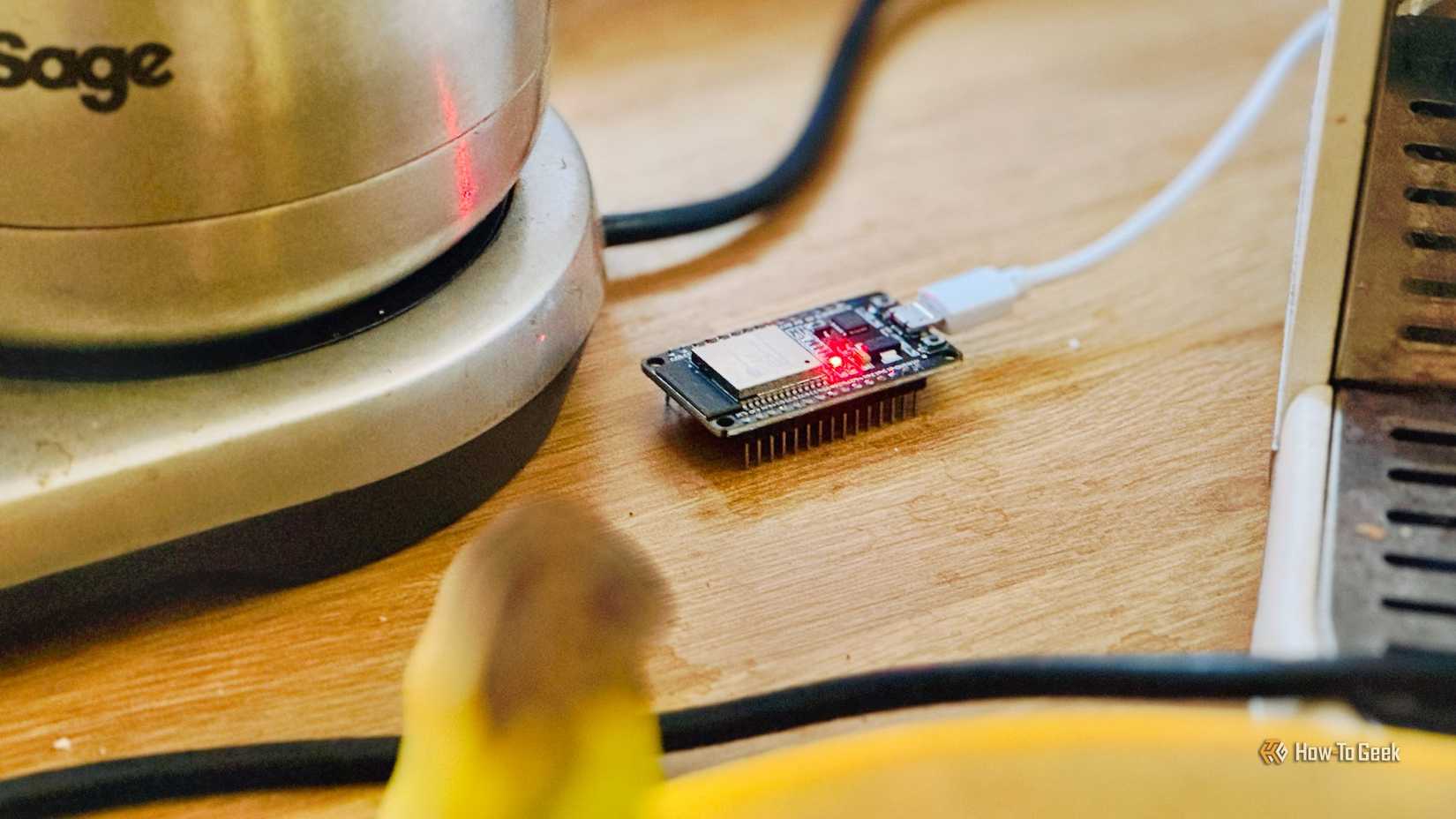
Beyond plant care, these "spare" pins can support a wide array of environmental sensors. A proxy located in a bathroom could be equipped with a DHT22 sensor to monitor humidity, triggering an exhaust fan when the shower is in use. A proxy in a hallway could host an mmWave presence sensor, which uses radar technology to detect the slightest human movement—even breathing—providing a much higher degree of accuracy than traditional PIR motion sensors. By stacking these functions, a single five-dollar microcontroller becomes a sophisticated multi-sensor node that forms the "eyes and ears" of the home.
 Tech Tutorials & How-To Guides
Microsoft Security Reports Highlight Growing Need for Advanced Windows 11 Protection Measures
The landscape of digital security is undergoing a fundamental shift as cybercriminals...
 Tech Tutorials & How-To Guides
Smart Solutions for Rising Utility Bills: How Specialized Tech Identifies and Reduces Residential Energy Waste
As global energy markets remain volatile and utility costs continue a steady...
 Tech Tutorials & How-To Guides
Streaming This Weekend: Horror Prequels, Marvel Returns, and High-Stakes Political Dramas Lead the Lineup
As the calendar turns toward the midpoint of October, the entertainment landscape...






