
Not Every Spare-Looking Pin Is Actually Spare
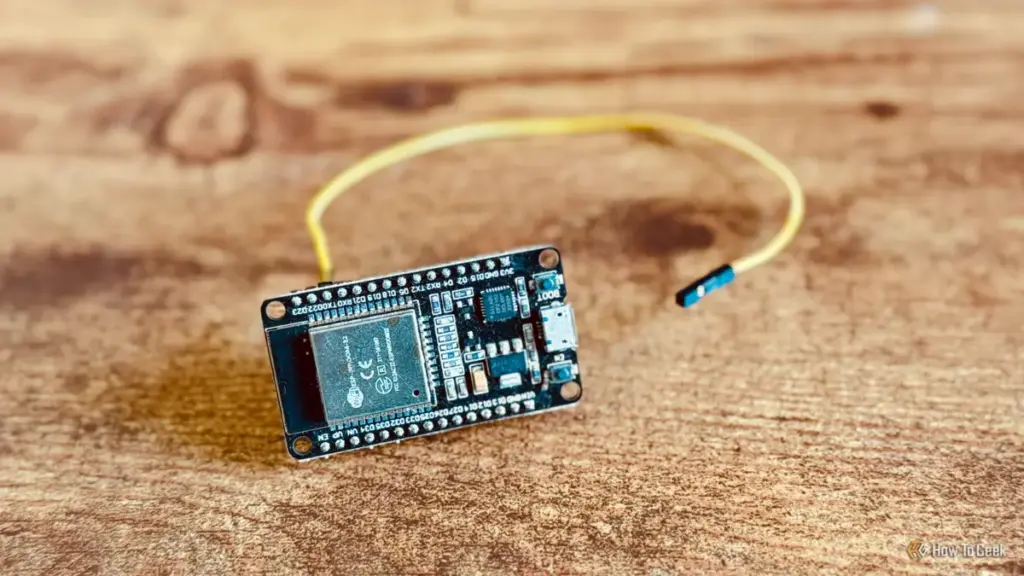
Despite the immense flexibility of the ESP32, the process of adding sensors is not without its technical hurdles. One of the most common pitfalls for beginners is the assumption that every pin labeled on the board is available for any purpose. In reality, the ESP32 has several "strapping pins" and pins with internal restrictions that must be respected to ensure the device functions correctly.
Different ESP32 models—such as the classic ESP32, the S2, the S3, or the C3—feature different pinouts and capabilities. Some pins are required to be in a specific state (high or low) during the boot process. If a sensor is attached to one of these pins and happens to pull the voltage in the wrong direction when the device is powered on, the ESP32 may fail to start, enter a boot loop, or attempt to flash new firmware from an empty source.
Furthermore, electrical safety and logic levels are a critical consideration. While many DIY electronics components operate on 5V power, the ESP32 is a 3.3V device. Its GPIO pins are generally not 5V-tolerant. Connecting a 5V sensor signal directly to an ESP32 pin can result in permanent damage to the microcontroller. Users must carefully consult pinout diagrams and datasheets to identify "safe" pins—those that do not interfere with the boot process and are compatible with the voltage levels of the intended sensors.

Making the Most of Your Hardware
The trend toward more efficient hardware utilization reflects a broader maturation of the DIY smart home community. As the novelty of cheap microcontrollers wears off, the focus is shifting toward architectural elegance and reliability. Building a smart home that "works like magic"—as many enthusiasts strive to do—requires a foundation of robust, multi-functional hardware.
By transforming simple Bluetooth proxies into multi-sensor hubs, users can achieve a higher level of automation with a smaller physical footprint. The ESP32 is a testament to the power of modern silicon, offering a level of performance that was once reserved for much more expensive and power-hungry devices. Whether it is monitoring the moisture of a fiddle-leaf fig, tracking the humidity of a basement, or detecting the presence of a person through a wall, the ESP32 is more than capable of doing it all at once.
The next time you reach for a new board to start a project, it may be worth looking at the devices already plugged into your walls. With a few extra wires and a small update to a configuration file, the hardware you already own might be ready to take on a whole new set of responsibilities.
 Tech Tutorials & How-To Guides
Bridging the Security Gap: Replicating the YubiKey Experience with a $6 ESP32 Microcontroller
In an era where digital identity is under constant siege from sophisticated...
 Tech Tutorials & How-To Guides
The Precision Gap: Why the Electric Screwdriver Has Become the Essential Companion to the Cordless Drill
In the world of home improvement and DIY maintenance, the cordless drill...
 Tech Tutorials & How-To Guides
The Linux Mint Paradox: Why the ‘Windows Alternative’ May Not Be the Gateway It’s Marketed to Be
For years, the tech community has championed Linux Mint as the definitive...







