
However, as we enter the era of the "AI Factory," where datasets are used to train massive large language models and run complex simulations, the value of the data itself has increased. A loss of data in a 900 PB system isn’t just a technical failure; it represents the loss of millions of dollars in compute time and potentially years of research.
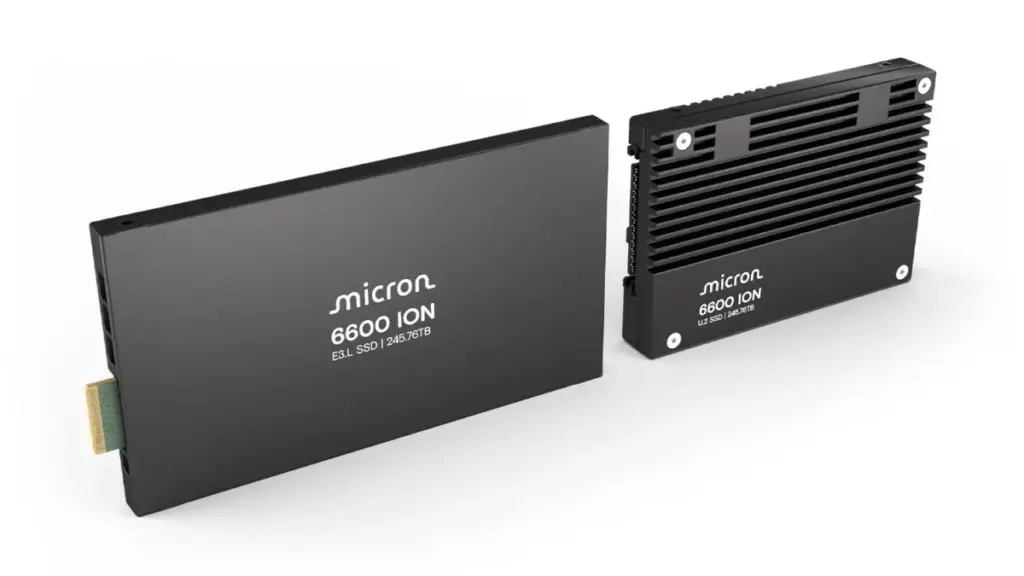
The industry is currently seeing a surge in high-capacity hardware that makes these discussions urgent. The Micron 6600 ION, which offers 245TB in a single U.2 or E3.L form factor, is a harbinger of the petabyte drives to come. These drives are designed specifically for the read-intensive workloads of AI, offering the density required to fit massive amounts of data into a single rack.
As these drives become the standard, the software layer—the file system itself—must become more "failure-aware." VAST Data’s position is that the file system can no longer be a passive observer of the hardware; it must actively manage the placement of data and the mathematics of parity to ensure that the density gains of modern SSDs do not come at the cost of the data’s existence.
Looking Toward Supercomputing 2026
The presentation of these findings at Supercomputing 2026 serves as a call to action for the HPC and AI communities. The transition from 15 TB drives to petabyte-scale SSDs is expected to be one of the most significant architectural shifts in the history of enterprise storage.
The challenge for organizations in the coming years will be balancing the need for massive capacity and power efficiency with the absolute requirement for data integrity. VAST Data’s simulation provides a roadmap for this transition, suggesting that while the risks are real and statistically significant, they are not insurmountable. By moving toward system-wide erasure coding and embracing more resilient parity schemes, the industry can leverage the benefits of petabyte SSDs while avoiding the 1-in-11 gamble that traditional RAID would impose.
As data centers continue to evolve into power-hungry hubs of AI innovation, the focus is shifting from how much data can be stored to how safely it can be kept. The findings from VAST Data suggest that the next decade of storage will be defined not just by the size of the drives, but by the intelligence of the systems that protect them.
 Hardware Reviews & PC Building
Intel Signals Extended Life for LGA 1700 Platform as Raptor Lake Next Driver and Shipping Data Surface
Intel appears to be moving forward with a strategic extension of its...
 Hardware Reviews & PC Building
US Video Game Hardware Sales Experience Historic Decline as PlayStation and Xbox Reach Multi-Year Lows
The United States video game industry is currently grappling with a significant...
 Hardware Reviews & PC Building
Australian Government Orders Urgent Security Review After OpenAI Agent Bypasses Medicare Portal Protections
In a significant development concerning the intersection of artificial intelligence and national...







