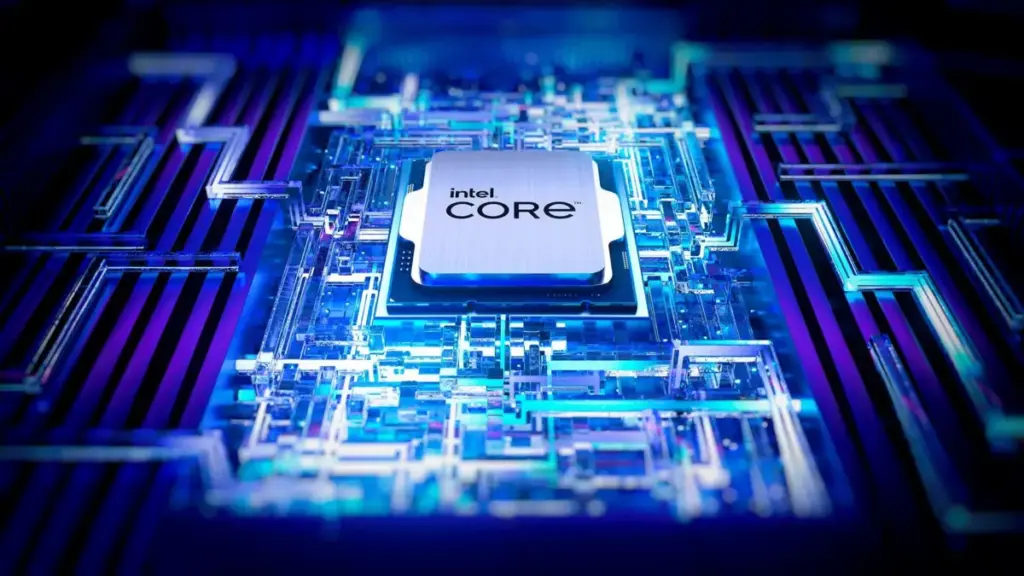
Intel appears to be moving forward with a strategic extension of its previous-generation hardware ecosystem, as new evidence points toward a forthcoming line of processors designated "Raptor Lake Next." The emergence of an internal test driver carrying the "RPL-NEXT" identifier, coupled with detailed shipping manifests from Southeast Asia, suggests that the Santa Clara-based chipmaker is preparing to support the LGA 1700 socket and DDR4 memory well into the latter half of the decade. This move represents a significant shift in Intel’s traditional product lifecycle management, echoing a strategy successfully employed by its primary competitor, AMD, to maintain relevance in the budget and mid-range market segments.
The first concrete indication of this development arrived via an internal Intel test driver, which explicitly utilized the "RPL-NEXT" label. This nomenclature is widely understood within the industry to refer to a subsequent iteration or a specialized refresh of the Raptor Lake architecture, which currently powers Intel’s 13th and 14th Generation Core processors. While Intel has recently transitioned its flagship enthusiast and performance tiers to the new LGA 1851 socket and the Arrow Lake architecture, the "Next" designation suggests that the company is not yet ready to abandon the millions of users currently utilizing the LGA 1700 platform.
Corroborating the software-based leak, shipping manifests originating from Vietnam have provided a more tangible look at the hardware in development. These documents, which track exports of silicon components, have reportedly shown entries for "Raptor Lake Next" CPUs dating as far back as August. Unlike typical early-stage prototypes, these manifests included specific technical details, such as cache configurations and clock speeds, indicating that the silicon is likely in an advanced stage of testing or early production. The presence of these components in Vietnam is particularly noteworthy, as the region hosts one of Intel’s largest assembly and test facilities (VNAT), often serving as a final stop for hardware before it reaches global distribution channels.
The decision to revisit the Raptor Lake architecture for a 2027 release window suggests a calculated effort to capture the "value" segment of the PC market. Historically, Intel has been known for a relatively rapid cadence of socket transitions, often requiring users to purchase new motherboards every two generations. However, the longevity of AMD’s AM4 platform, which continues to receive new CPU releases years after the launch of its successor, AM5, has demonstrated a clear consumer appetite for platform stability. By extending the life of LGA 1700, Intel provides an upgrade path for users on older 12th or 13th Gen systems who may be hesitant to invest in the higher costs associated with DDR5 memory and new Z890 or B860 motherboards.
Central to this strategy is the continued support for DDR4 memory. While DDR5 has become the standard for high-end gaming and professional workstations, DDR4 remains significantly more affordable and is still manufactured in massive quantities. For educational institutions, enterprise fleets, and budget-conscious builders in emerging markets, the ability to pair a modern, capable processor with inexpensive DDR4 modules and mature LGA 1700 motherboards is a compelling proposition. The "Raptor Lake Next" lineup appears designed to fill this specific niche, offering a bridge between legacy hardware and modern processing requirements.
 Hardware Reviews & PC Building
U.S. Data Center Expansion Projected to Drive Unprecedented Surge in Natural Gas Consumption Through 2035
The rapidly evolving landscape of the American technology sector is poised to...
 Hardware Reviews & PC Building
TSMC reportedly weighs 20% CoWoS price increase as Nvidia Blackwell and Rubin chips put pressure on packaging capacity…
The reported price adjustment reflects a complex interplay of market forces, including...
 Hardware Reviews & PC Building
Amazon Prime Day 2026: Final 24 Hours of Big Deal Days Feature Massive Savings on RTX 5070 Systems, Ryzen 9800X3D, and Premium Gaming Peripherals
As the clock winds down on the 2026 iteration of Amazon’s Big...