
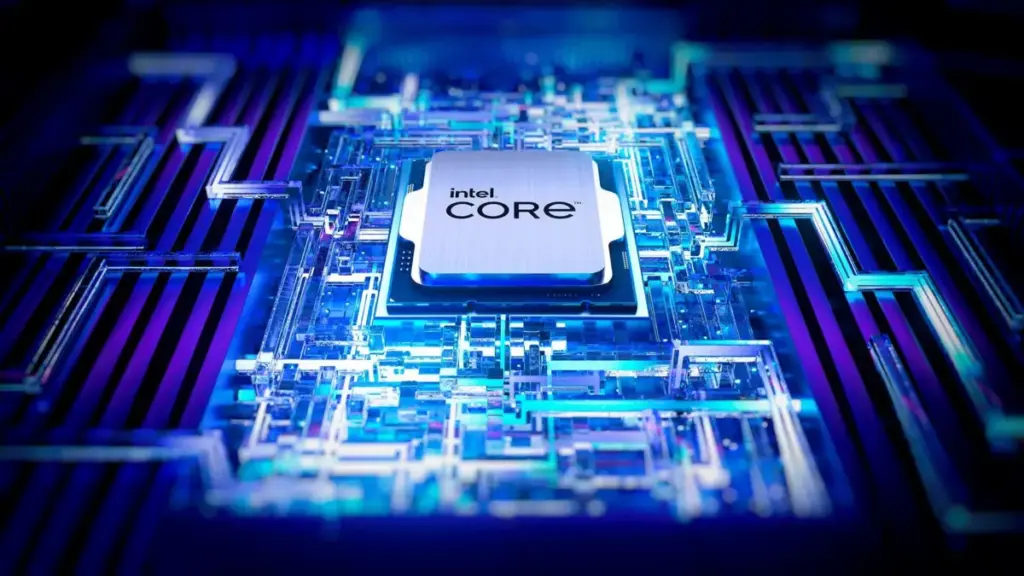
The details found in the shipping manifests—specifically the clock speeds and cache—suggest that these are not merely "rebadges" of existing 14th Gen parts. In the semiconductor world, a refresh often involves selecting better-binned silicon or adjusting the voltage-frequency curves to provide a more stable or slightly faster product. Given the stability challenges that faced some high-end 13th and 14th Gen parts earlier this year, a "Next" iteration could also represent a "corrected" version of the architecture, incorporating microcode and hardware-level adjustments from the factory to ensure long-term reliability.
While Intel has not yet officially commented on the "Raptor Lake Next" branding or the specific release timeline, the convergence of driver data and international shipping logs makes the project’s existence difficult to dispute. The projected 2027 window suggests that Intel views the transition to DDR5 and LGA 1851 as a multi-year process, rather than an overnight switch. By maintaining a dual-platform strategy, Intel can cater to the enthusiast "early adopters" with Arrow Lake and its successors, while simultaneously defending its market share in the high-volume budget and corporate sectors with Raptor Lake Next.
As the PC market continues to stabilize following the volatility of the past few years, the demand for longevity and value has never been higher. Intel’s apparent decision to take a page from the AMD playbook indicates a more pragmatic approach to platform management. For the consumer, this means more choices and a longer period of utility for their existing investments. For the industry, it signals a recognition that "new" does not always have to mean "completely different," and that there is immense value in refining and extending the life of proven, capable technology.
The "RPL-NEXT" driver and the Vietnamese shipping manifests provide a glimpse into a roadmap where the LGA 1700 socket remains a cornerstone of Intel’s strategy for years to come. Whether this will culminate in a "15th Gen" branding for the older socket or a separate "Core" (Series 1) naming convention remains to be seen, but the intent is clear: Raptor Lake still has more to give.
 Hardware Reviews & PC Building
Shareholder Lawsuit Alleges Top Supermicro Executive Had Full Knowledge of Massive $2.5 Billion AI Chip Smuggling Operation
The legal storm surrounding Supermicro has intensified as new details emerge from...
 Hardware Reviews & PC Building
Digital Fly Brain Achieves 20 Percent Win Rate in Balatro Following Breakthrough Google Neural Mapping
In the rapidly evolving landscape of artificial intelligence and computational neuroscience, the...
 Hardware Reviews & PC Building
Used Hardware Purchase Leads to Unexpected Valorant Ban for German Gamer as Riot’s Vanguard Flags Secondhand CPU
The secondary market for PC components has long been a haven for...







