
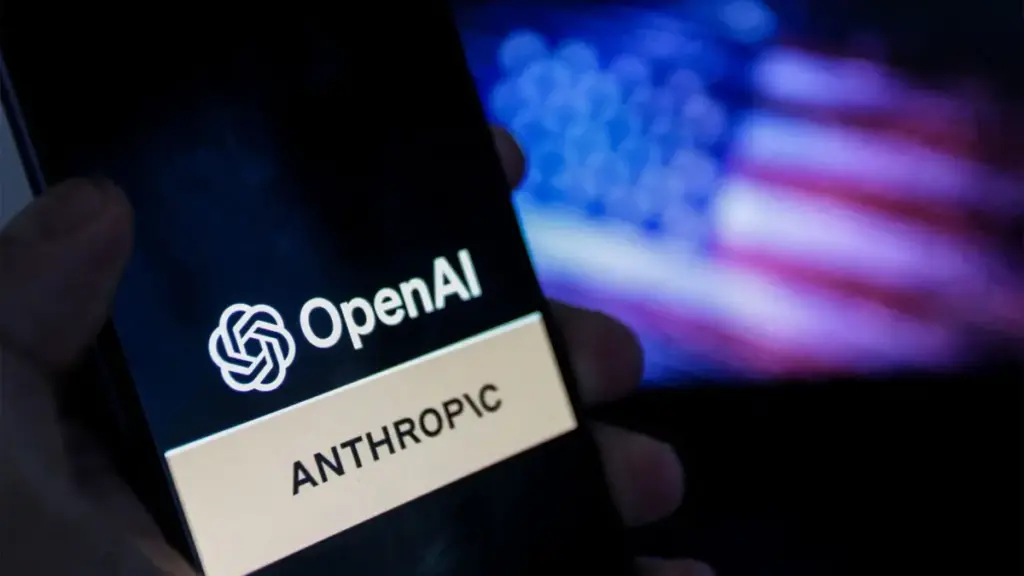
In that instance, Anthropic declined to submit the Mythos 5.1 model for pre-release testing to the UK, despite the fact that it had granted such access to comparable entities within the United States. This marked a significant departure from previous arrangements, as it was the first time the AISI had been excluded from evaluating an Anthropic model before its public debut. When Claude Mythos 5.1 launched on September 1, access was restricted to a small group of approved partners, citing heightened security and safety concerns.
The repeated exclusion of the UK from these testing windows has sparked concerns within the British government regarding the future of international AI governance. At the time of the Mythos 5.1 release, officials speaking to the Financial Times suggested that the move was indicative of a "wider protectionist shift" among US-based technology firms and the federal government. There is a growing sense that as AI models become more powerful and potentially more integrated into national security frameworks, the willingness of the US to share early-stage access with even its closest allies may be waning.
This shift is particularly sensitive given the UK’s heavy investment in the AISI. The institute was a flagship project intended to cement the UK’s role as a "science superpower" and a global hub for AI safety, a goal championed during the AI Safety Summit at Bletchley Park. By positioning itself as a neutral, technically proficient auditor, the UK hoped to provide a service that would benefit the global community. However, if the most advanced models from the most influential companies remain behind US-only firewalls, the AISI’s ability to provide a comprehensive global safety net is significantly diminished.
Despite these recent hurdles, the AISI has seen some success in the past with the GPT-6 range. In a formal letter addressed to Liam Byrne, the chair of the House of Commons Business and Trade Committee, AISI Director Henry de Zoete confirmed that the institute had been permitted to conduct testing on OpenAI’s GPT-6 Astra model prior to its public release. This suggests that the relationship between the institute and the tech giants is not entirely severed, but rather is becoming increasingly selective and subject to political intervention.
In his correspondence with the committee, de Zoete acknowledged the challenges regarding the Mythos 5.1 release, noting that the AISI was not the only organization to be denied access. He clarified that Anthropic had made it clear that no organizations outside of the United States were given access to that specific model during its pre-release phase.
"AISI is in daily conversation with industry partners, including Anthropic, and maintains long-standing arrangements to test models from major AI developers," de Zoete wrote, attempting to project a sense of continuity and ongoing cooperation despite the visible friction.
The official stance from the UK government remains one of diplomatic optimism and a commitment to the necessity of international partnership. A spokesperson for the AISI emphasized that the risks associated with advanced AI are global in nature and cannot be managed by any single nation in isolation.
 Helpdesk & IT Service Management (ITSM)
Qlik Secures AWS Data Competency for Relational Databases, Strengthening Hybrid Cloud Integration and AI Readiness
Qlik, a global leader in data integration, analytics, and artificial intelligence, has...
 Helpdesk & IT Service Management (ITSM)
SolarWinds Service Desk Unveils Major Updates to Workflow Automation, Microsoft Teams Integration, and Asset Management
In an era where IT Service Management (ITSM) is increasingly defined by...
 Helpdesk & IT Service Management (ITSM)
NetApp Insight 2024: Navigating the Shift Toward AI Inference and Sovereign Data Infrastructure
As the autumn conference season gathers momentum, the technology industry’s focus has...







