
The Role of Powerline Adapters in Modern Networking
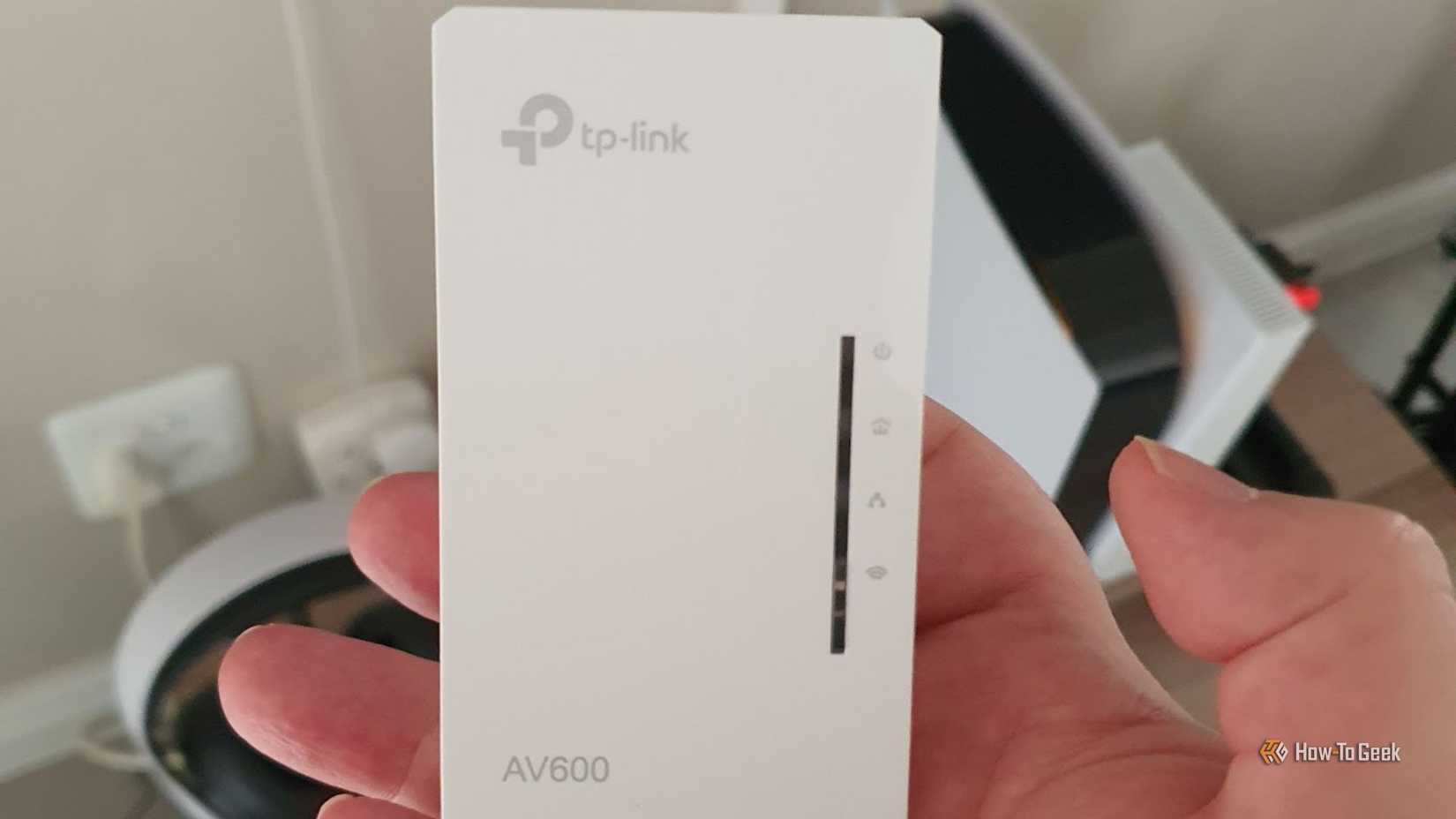
When neither Ethernet nor coaxial options are available, the final frontier of existing home infrastructure is the electrical wiring. Powerline adapters utilize the copper wiring of a home’s electrical circuit to carry data signals between rooms. This technology is perhaps the most accessible for the average consumer, as it requires no modification to wall jacks or existing cables.
The process involves plugging one adapter into a wall outlet near the router and another near the target device. While convenient, the performance of powerline adapters is famously variable. Because the data must compete with electrical noise from appliances and is subject to the layout of the home’s circuit breakers, speeds can fluctuate. Older homes with aged wiring or homes where the signal must cross between different phases of the electrical panel may see significantly reduced performance.
Despite these limitations, powerline adapters remain a valuable tool for reaching "impossible" corners of a house where Wi-Fi cannot penetrate. For tasks that require stability over raw speed—such as connecting a smart home hub or a printer in a distant garage—powerline technology provides a functional solution that utilizes the most ubiquitous infrastructure in any modern building.
The Economic Case for a Wired Home
The move toward hardwiring a home is often framed as a luxury or a high-end enthusiast project, but the financial reality tells a different story. As Monica J. White noted in her personal experience, it is entirely possible to outfit a home with Ethernet connectivity for under $50 by utilizing existing wires and purchasing budget-friendly hardware like unmanaged switches and keystone jacks.
In contrast, high-end Wi-Fi mesh systems can easily cost several hundred dollars and still fall victim to environmental interference or signal degradation. By shifting the focus back to the physical infrastructure already present within the walls, homeowners can achieve a level of network reliability that wireless technology, by its very nature, struggles to match.
The transition to a wired "Ethernet utopia" is not merely about achieving higher benchmark speeds; it is about reclaiming the stability of the internet connection. In a world where digital connectivity is the backbone of daily life, the most sophisticated solution is often the one that has been sitting right in front of us, hidden behind a plastic wall plate. By repurposing telephone lines, activating dormant Ethernet runs, or utilizing MoCA and powerline technologies, the modern household can finally move past the era of unstable Wi-Fi and into a more reliable, wired future.
 Tech Tutorials & How-To Guides
The Enduring Legacy of Connectivity: Why Decades-Old Ports Still Dominate Modern Technology
In an era defined by rapid technological obsolescence, where smartphones are replaced...
 Tech Tutorials & How-To Guides
Google Pixel Watch 5 Sees Significant Price Cut as Amazon Offers $100 Discount on Latest Flagship Wearable
The landscape of Android wearables has long been a battlefield of compromise,...
 Tech Tutorials & How-To Guides
The Hidden Expiry Date: Why Your Smart Home Hardware May Fail Sooner Than You Think
In the early days of the smart home revolution, early adopters were...







