The Premium feature explores the shift in this philosophy. As macOS and iPadOS continue to converge—with universal control, shared app architectures, and similar aesthetic languages—the wall between the two platforms is becoming increasingly porous. Freedman’s analysis suggests that the 2026 touch-enabled MacBook is not an admission of defeat by Apple, but rather a response to a changing user demographic that has grown up with iPads and expects interactivity on every glass surface they encounter. The technical challenge, however, lies in integrating touch layers into the thin profiles of the MacBook lids without compromising the display quality or the device’s structural integrity.

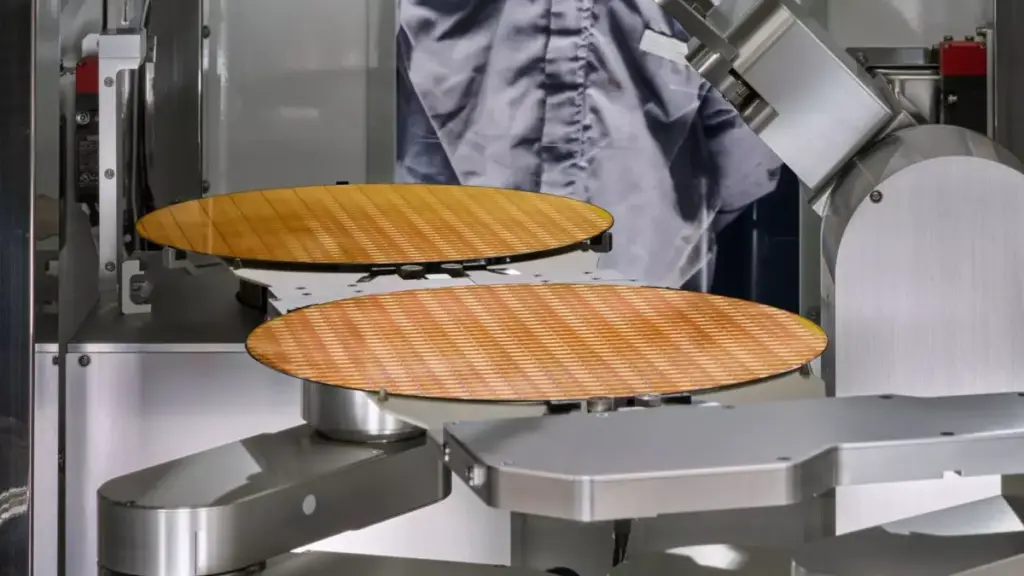
The broader context of this week’s Premium coverage also touches upon the semiconductor landscape that makes these advancements possible. With deep dives into the roadmaps of major players like GlobalFoundries, the coverage provides a holistic view of the industry. The chips that will power these 2026 machines are currently in the design and early fabrication stages, focusing on the efficiency required to drive high-resolution OLED panels and the sensors necessary for responsive touch input. The report emphasizes that Apple’s hardware decisions are never made in a vacuum; they are dictated by the capabilities of fab partners and the availability of high-yield manufacturing processes.
For subscribers, this week’s content serves as a reminder of the value of investigative tech journalism. While standard news cycles often focus on the "what" and the "when," the Premium features at Tom’s Hardware focus on the "how" and the "why." The interviews and roadmaps published this week provide a rare look at the long-term planning cycles of the world’s most secretive tech companies. The 2026 timeline for the MacBook is not just a guess; it is a projection based on supply chain movements, patent filings, and the current trajectory of display manufacturing.
The transition to OLED and touch is also expected to have a ripple effect across the entire laptop industry. When Apple adopts a technology, it often sets a new baseline for the premium market. Even though Windows manufacturers have offered these features for years, an Apple-branded "PROLED" touch-screen laptop will likely drive a surge in demand for high-end OLED panels, potentially lowering costs for the rest of the industry through economies of scale. However, it also poses a challenge to competitors to innovate beyond the standard touch interface, as Apple is expected to integrate its haptic technologies and software optimizations to make the experience feel "uniquely Apple."
 Hardware Reviews & PC Building
Digital Fly Brain Achieves 20 Percent Win Rate in Balatro Following Breakthrough Google Neural Mapping
In the rapidly evolving landscape of artificial intelligence and computational neuroscience, the...
 Hardware Reviews & PC Building
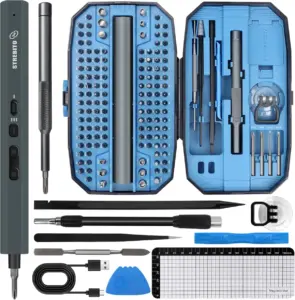
30 must-have PC tool gifts for hobbyists and makers — essential bench upgrades for enthusiasts with a project,…
The AI boom has created an insatiable demand for high-performance silicon, particularly...
 Hardware Reviews & PC Building
Big Tech is cashing in on AI while the rest of corporate America sees no financial returns — report outlines how…
The disparity highlights a growing tension in the financial markets. On one...