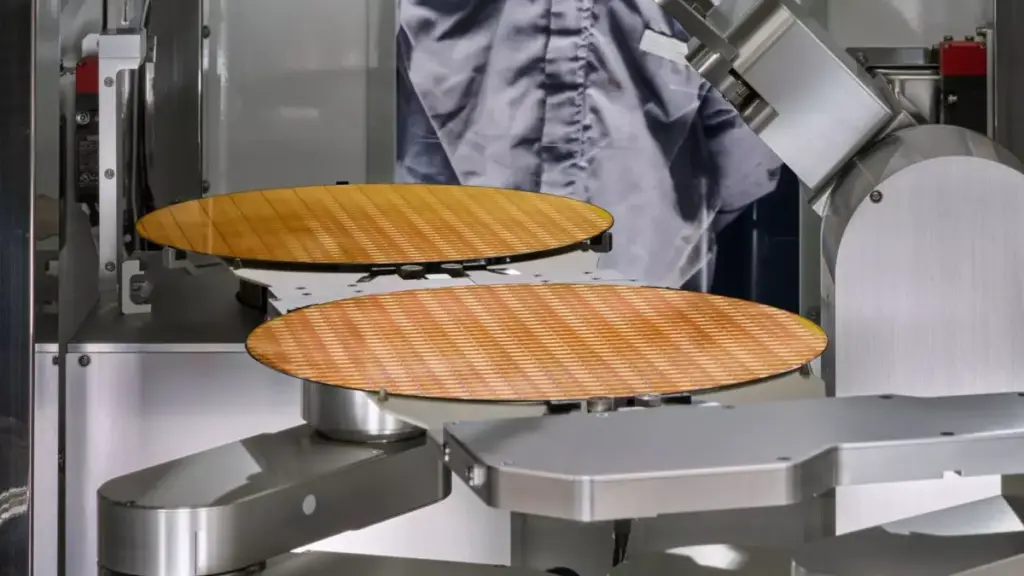
Beyond the MacBook story, the Premium section continues to offer a broad range of deep dives into both cutting-edge and legacy hardware. Subscription Editor Sayem Ahmed, who oversees this specialized content, notes that the goal is to provide a level of detail that goes beyond the surface. This includes explorations into the physics of semiconductors, the economic realities of GPU manufacturing, and historical retrospectives on the components that shaped the modern computing era. This week’s roundup is a testament to that mission, providing a comprehensive look at where the industry has been and where it is headed.
As we look toward 2026, the laptop market appears to be on the cusp of a significant realignment. The MacBook, which has remained remarkably consistent in its design language for the last several years, is finally preparing to embrace the features that have defined its rivals. For the Apple faithful, the wait for an OLED touch-screen laptop may be long, but the technical insights provided by Tom’s Hardware Premium suggest that the result will be a carefully refined implementation of technology that the rest of the world has been testing for years.
Accessing these insights requires a subscription to Tom’s Hardware Premium, which offers an ad-free experience and exclusive access to the most detailed reporting the site produces. In an age of rapid-fire headlines, these long-form features provide the necessary context to understand the complex machinery of the global tech industry. From the foundries where the silicon is etched to the marketing rooms where "PROLED" is branded, the coverage ensures that readers are not just informed, but ahead of the curve.
The narrative of the 2026 MacBook is still being written, but the foundations are already visible to those who know where to look. Between the challenges of panel sourcing and the inevitable software updates needed to make macOS touch-friendly, the next two years will be a period of intense preparation for Apple. As this week’s features conclude, the focus remains on the intersection of hardware capability and consumer expectation—a space where Apple has historically thrived by waiting for the perfect moment to strike.
 Hardware Reviews & PC Building
Nvidia CEO Jensen Huang admits to an affair with a suspected Chinese spy — Jensen apologizes in letter to staff,…
The revelation came to light after a series of reports suggested that...
 Hardware Reviews & PC Building
Digital Fly Brain Achieves 20 Percent Win Rate in Balatro Following Breakthrough Google Neural Mapping
In the rapidly evolving landscape of artificial intelligence and computational neuroscience, the...
 Hardware Reviews & PC Building
ASUS TUF Gaming Monitor Saves Player’s Life by Deflecting Stray Bullet During Late-Night Session
In the world of high-stakes competitive gaming, the term "clutch" is typically...