
This skepticism is rooted in a holistic view of the supply chain. Petersen notes that many industry observers focus too narrowly on a single gating factor, such as the availability of chips or the number of grid interconnect requests. In reality, a datacenter project requires the perfect alignment of multiple inputs: available land, specialized labor, the manufacturing of massive electrical and cooling systems, and a cooperative political and regulatory environment.
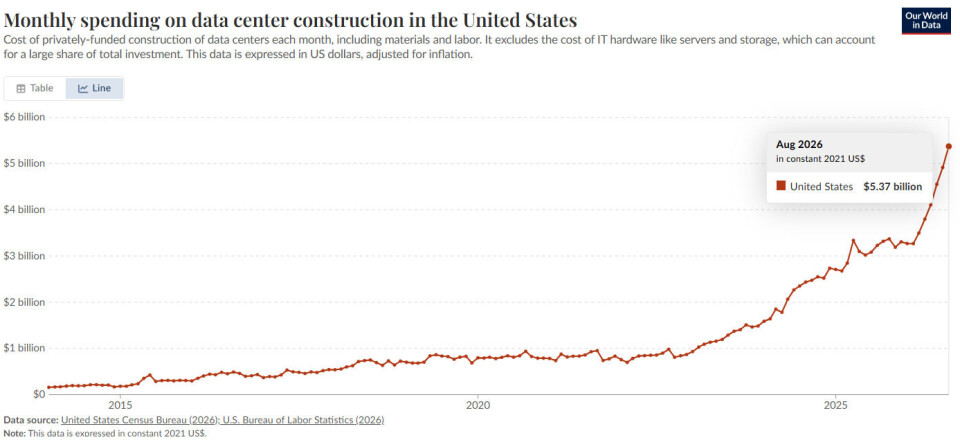
The nature of these bottlenecks is expected to shift over time. In the immediate term, through 2026, the primary damper on datacenter spending and completion is the labor shortage. There are simply not enough qualified electricians, engineers, and construction specialists to meet the demand. As we move into the 2027–2029 window, the constraint is expected to migrate toward specialized equipment—specifically the sophisticated liquid cooling systems required to manage the immense heat generated by high-density AI clusters. By 2030, the ultimate limit will likely be the power itself. The electrical grid in North America is facing unprecedented strain, and the time required to build new power plants or upgrade transmission lines is measured in decades, not years.
Furthermore, the "bear case" for this expansion is increasingly driven by social and political friction. Local communities are becoming more vocal in their skepticism of the benefits datacenters bring. While these facilities represent massive capital investments, they often create relatively few long-term jobs once construction is finished. At the same time, they consume vast amounts of local water and electricity, leading to rising pressure for datacenter operators to pay a larger share of infrastructure costs.
The "bull case," by contrast, assumes that supply chain issues for construction materials might ease slightly, but even the most optimistic scenarios account for significant delays. The industry is essentially running a race against physical reality. While the software side of the GenAI boom can iterate in weeks, the infrastructure side is bound by the laws of physics and the speed of heavy industry.
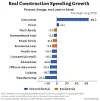
In summary, the next several years will see a massive, historic expansion of the digital footprint in North America, but it will likely fall short of the lofty goals set by the industry’s leaders. The constraints of labor, cooling technology, and power generation are not mere hurdles to be cleared with more funding; they are structural limits that will dictate the ultimate pace of the AI revolution. As the construction data shows, the "cloud" is very much a physical entity, and for the foreseeable future, its growth will be defined by the hard limits of the ground it is built upon.
 Enterprise Tech & Infrastructure
Upscale AI Challenges Nvidia’s Scale-Up Dominance with SkyHammer Fabric and $2 Billion Valuation
For decades, the world’s leading CPU manufacturers have maintained a fiercely proprietary...
 Enterprise Tech & Infrastructure
The Great Storage Divide: Analyzing the Evolution of SSD and HDD Performance in the Enterprise
The landscape of enterprise data storage has undergone a seismic shift over...
 Enterprise Tech & Infrastructure
The Pillars of Data Infrastructure: A Comprehensive Evaluation of the Top Enterprise Hard Drives for 2023
In the modern landscape of digital infrastructure, the demand for robust, high-capacity...







