
While similar tools can be purchased commercially, 3D printing allows for immediate replacement if one is lost, and the ability to customize the guide’s dimensions to match specific book sizes. Furthermore, printing these guides in different colors can provide various levels of contrast, which is often a key factor in improving reading speed and comprehension for neurodivergent individuals. By making these tools easy to produce at home, 3D printing is helping to make literature more accessible to a wider audience.
The Gamification of Reading: Progress Counters
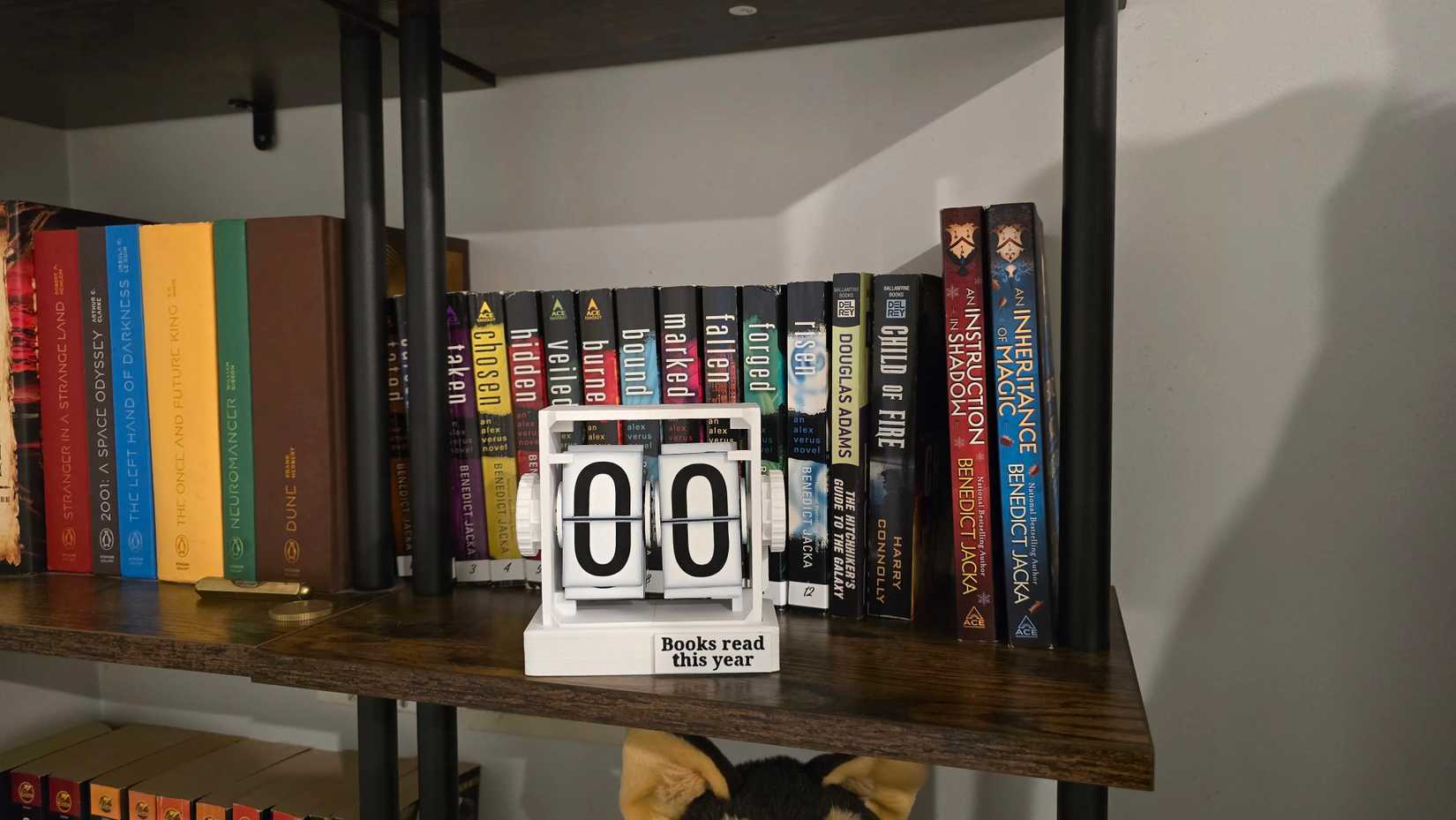
In the age of digital habit tracking, many readers are looking for ways to stay motivated and meet their annual reading goals. 3D-printed book counters offer a tactile, physical way to "gamify" the reading experience. These devices, which often sit on the shelf alongside the books themselves, feature mechanical wheels or sliders that allow the user to manually update the number of books they have completed.
This physical representation of progress can be a powerful psychological motivator. Seeing a numerical tally of one’s achievements provides a sense of momentum that a digital app sometimes lacks. For many, the act of clicking the counter over to a new number after finishing a final chapter is a rewarding ritual that encourages them to pick up the next book in their "to-read" pile.
Utility in the Kitchen: The 3D-Printed Cookbook Stand
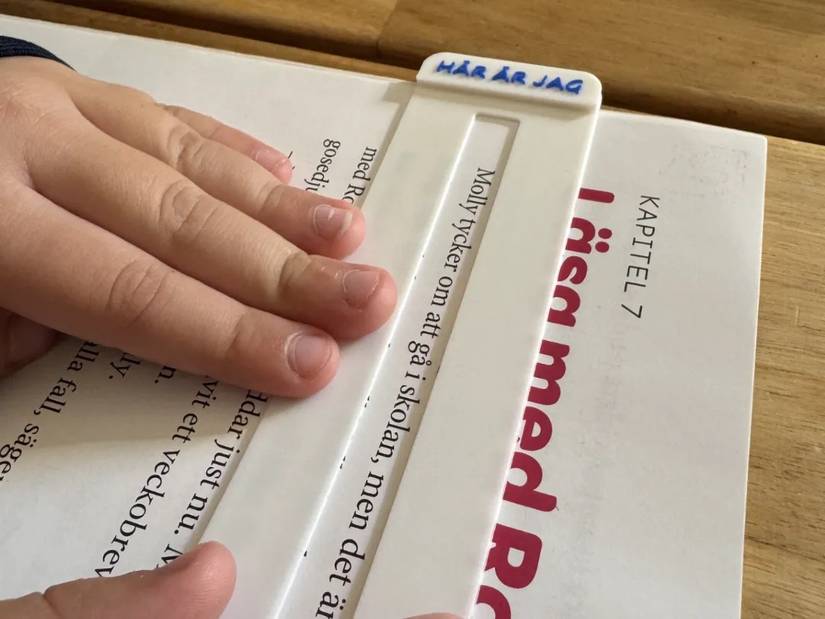
Finally, the utility of 3D printing extends into the kitchen, where cookbooks are often subjected to the most grueling conditions. A sturdy, 3D-printed cookbook stand is an essential tool for any home chef who prefers physical recipes over digital screens. These stands serve a dual purpose: they prop the book at an ideal reading angle for hands-free use and keep the pages away from the inevitable spills and splashes of a busy kitchen.
Elegant and functional designs can be printed to accommodate everything from thin pamphlets to heavy, thousand-page culinary encyclopedias. Beyond the kitchen, these stands are equally useful for artists using reference books or students studying from heavy textbooks. They exemplify the 3D printer’s ability to create sturdy, utilitarian objects that perform as well as, if not better than, mass-produced retail alternatives.
A Harmonious Future for Tech and Text
The integration of 3D printing into the world of reading is a clear indication that technology does not always have to replace traditional hobbies; instead, it can be used to refine and enhance them. As 3D printers become more affordable and user-friendly, the library of the future may be defined not just by the books on the shelves, but by the custom-engineered tools that make reading them a more comfortable, organized, and personal experience.
Whether it is through a custom bookmark that celebrates a favorite character or an ergonomic holder that makes a late-night reading session more comfortable, the synergy between the digital "maker" and the dedicated reader is stronger than ever. For those who love the written word, the 3D printer is no longer just a gadget—it is an essential companion in the lifelong journey of discovery that is reading.
 Tech Tutorials & How-To Guides
Software-Based Diagnostics Offer New Clarity for the Persistent Confusion of USB-C Cable Specifications
The promise of USB-C was a world of universal connectivity where a...
 Tech Tutorials & How-To Guides
Essential Ryobi 18V ONE+ Tools Under $80 for New Homeowners and DIY Enthusiasts
The landscape of home improvement has shifted significantly over the last decade,...
 Tech Tutorials & How-To Guides
Unlocking the Ethernet Utopia: How Existing Home Infrastructure Can Solve Modern Wi-Fi Instability
In an era where high-speed internet is as essential as electricity or...







