
In an era dominated by digital screens and rapid-fire content, the enduring appeal of the physical book remains a testament to the tactile joy of reading. However, the tradition of leafing through paper pages is increasingly finding a modern companion in the form of additive manufacturing. Desktop 3D printing, once a niche hobby for engineers and tech enthusiasts, has matured into a versatile tool for enhancing a wide array of domestic pastimes. For bibliophiles, this technology offers more than just novelty; it provides a bridge between the classic library and contemporary customization, allowing readers to personalize their environments, improve physical comfort, and organize their collections with surgical precision.
The marriage of 3D printing and literature is driven by the "maker" movement—a global community of designers who share digital blueprints for functional objects. As these designs become more sophisticated, they are moving beyond simple plastic trinkets and into the realm of essential lifestyle accessories. From ergonomic aids that reduce hand strain during long reading sessions to architectural solutions for overflowing bookshelves, the 3D printer is becoming a staple tool for the modern reader.

Personalized Bookends: Engineering Stability and Style
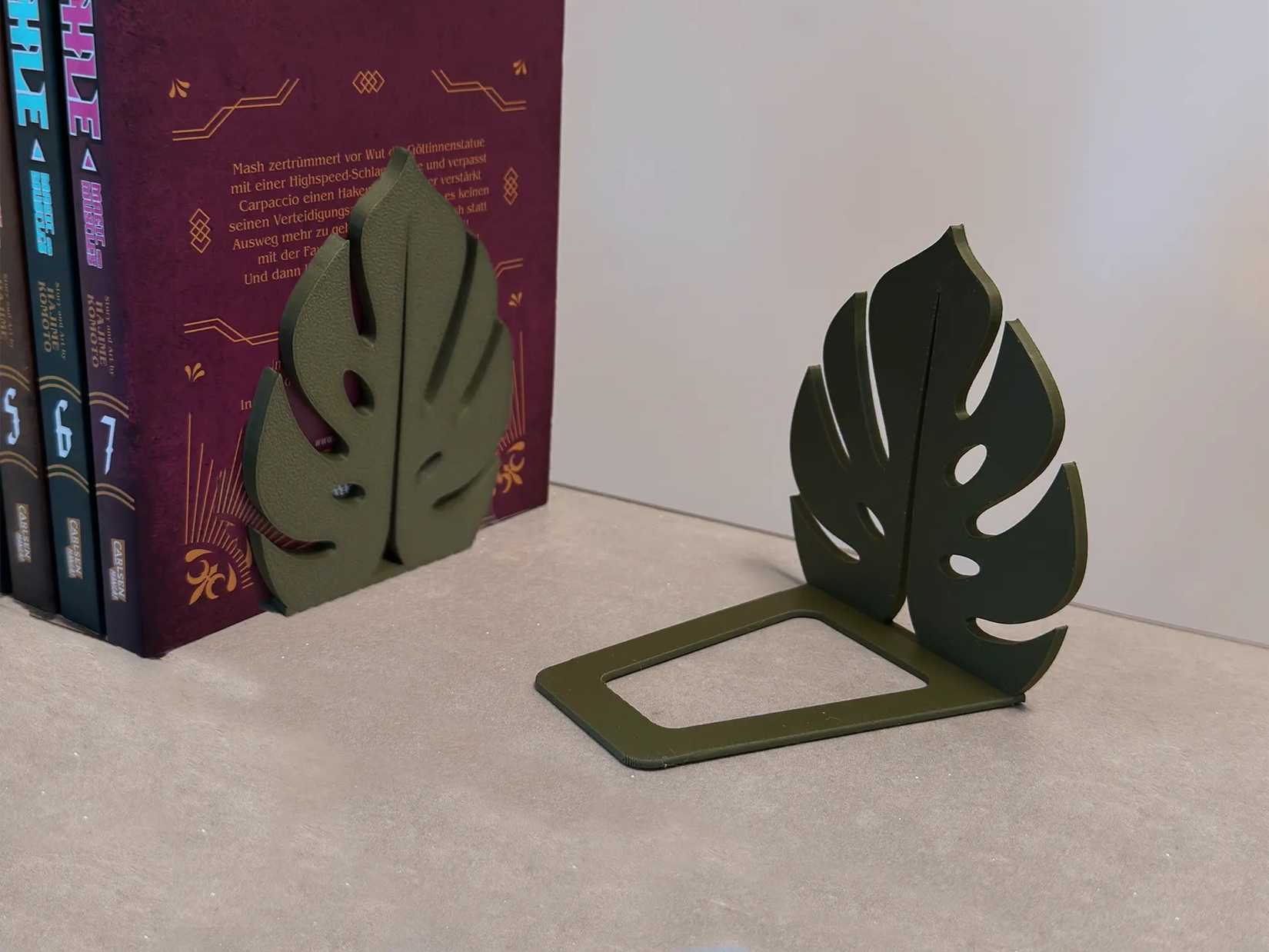
The most immediate application for 3D printing in a home library is the creation of bookends. Historically, bookends required significant mass—often made of heavy iron, stone, or thick wood—to counteract the lateral pressure of a row of leaning books. 3D printing introduces a more nuanced approach to this problem through clever structural engineering. Many contemporary 3D-printed designs utilize a "tongue" or platform that slides underneath the books themselves. This allows the weight of the reading material to act as the stabilizing force, meaning the decorative portion of the bookend can be lightweight, intricate, and highly detailed without sacrificing functionality.
The variety of available designs reflects the diverse tastes of the reading community. For those who wish to bring a touch of the outdoors inside, the "monstera" leaf bookend has become a popular choice, mirroring the current interior design trend of incorporating tropical flora into living spaces. For readers with a more minimalist or industrial aesthetic, geometric patterns such as modern arches and honeycombs offer a clean, structured look.
Furthermore, the ability to scale and modify these designs allows for a level of personalization that retail stores cannot match. A reader can print a "balloon dog" bookend to add a whimsical pop-art element to a nursery, or functional "flower pot" bookends that feature hollowed-out sections for real or artificial plants, effectively merging two hobbies into a single decorative piece.

Advanced Display Solutions: Optimizing the Personal Library
As collections grow, the challenge of storage becomes a primary concern for many readers. 3D printing offers bespoke solutions for maximizing shelf space and highlighting specific volumes. This is particularly relevant for collectors of graphic novels, manga, and classic series, where uniform dimensions allow for more structured organization.
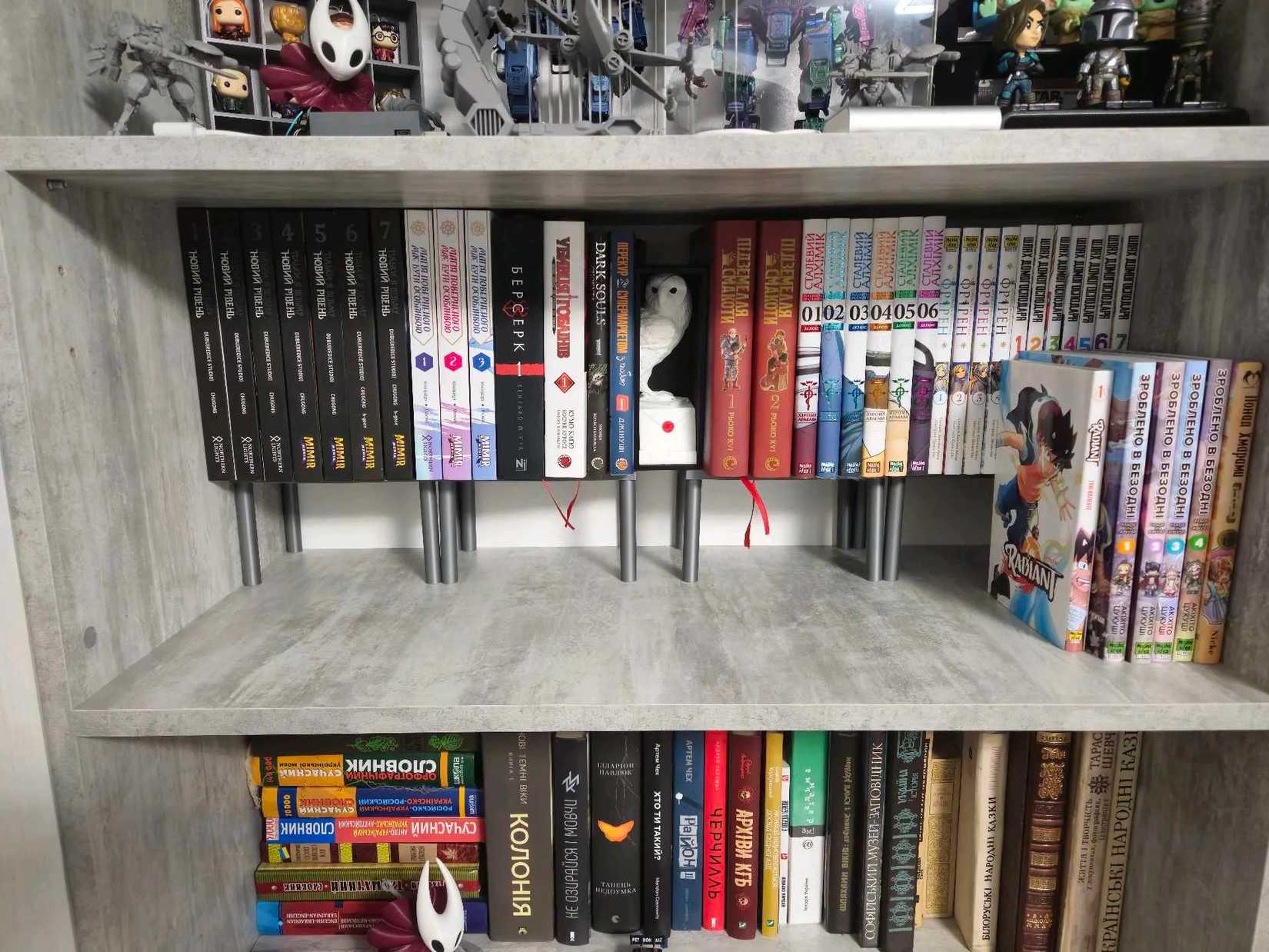
Elevated bookshelves and tiered stands are among the most practical applications in this category. By using tiered inserts, readers can display two rows of books on a single deep shelf, ensuring that the titles in the back remain visible and accessible. This "stadium seating" for books is a favorite among manga enthusiasts who often have long-running series that they wish to display in their entirety.
Beyond simple organization, 3D printing enables "invisible" and "floating" display methods that create a striking visual impact. Invisible bookshelves, which attach directly to the wall and are hidden by the books they support, give the illusion of a levitating stack of literature. For a more curated approach, inclined bookshelves can be printed to showcase a "book of the month" or a particularly beautiful cover, turning a standard library into a rotating art gallery. These solutions are not only aesthetic but also spatial, allowing readers to utilize vertical wall space that would otherwise remain empty.
Ergonomic Innovation: The Rise of the Book Page Holder
Perhaps the most significant contribution 3D printing has made to the actual act of reading is the development of ergonomic page holders. For many, holding a thick paperback open with one hand can lead to thumb fatigue or wrist strain, particularly during extended sessions or when reading in unconventional positions, such as lying on one’s side.
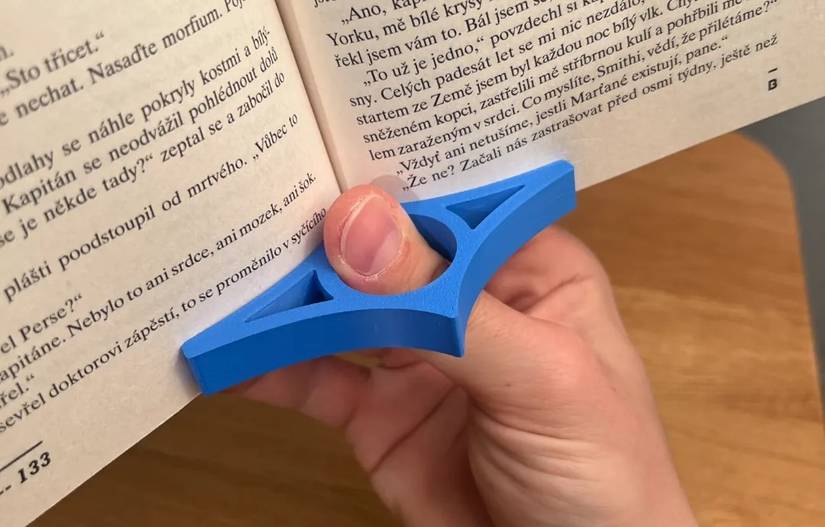
The 3D-printed page holder—a small, ring-like device that fits over the thumb—has become a viral sensation within the "BookTok" and "Bookstagram" communities. The design features "wings" that rest against the pages, holding the book wide open with minimal pressure. Some designers have even evolved this concept into rotating versions, where a floating ring allows the user to adjust their grip without losing tension on the pages.
This tool represents a broader trend of using 3D printing to create low-cost assistive technology. For readers with arthritis or other mobility issues in their hands, these simple plastic prints can significantly extend the amount of time they can comfortably enjoy a physical book. It is a prime example of how a small, inexpensive piece of plastic can solve a long-standing physical frustration.
Custom Bookmarks: A Canvas for Personality
While the world is certainly not in short supply of bookmarks—ranging from receipts to expensive leather strips—3D printing allows readers to turn these placeholders into expressions of their personality. The flat, thin nature of a bookmark makes it an ideal project for beginners in 3D printing, requiring very little material and time.
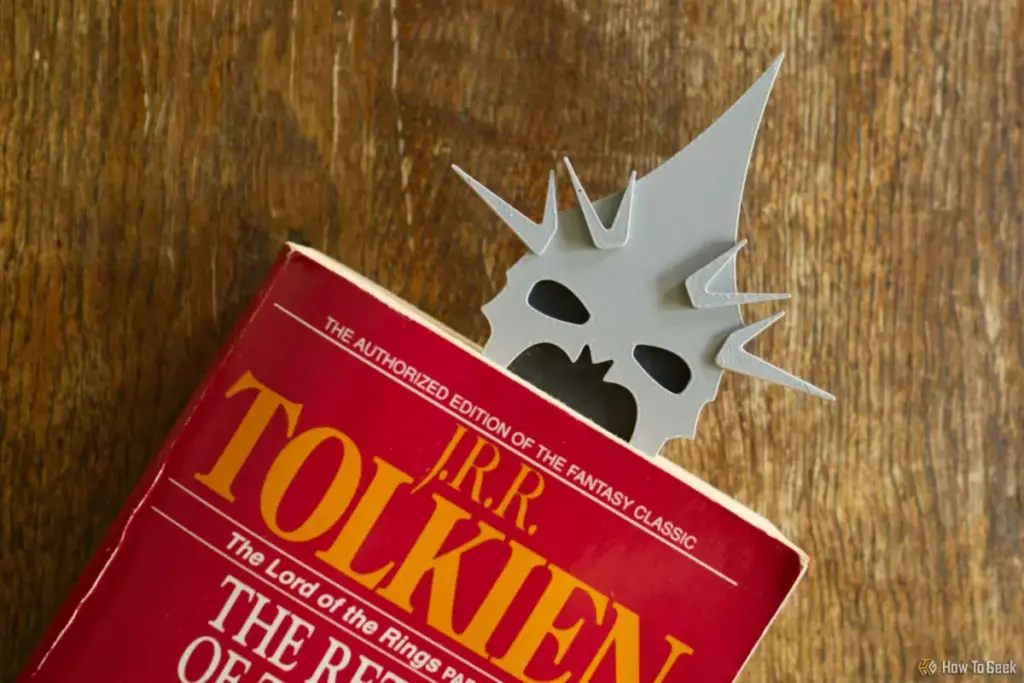
The true value here lies in the ability to tap into specific fandoms and interests. For instance, a fan of high fantasy might print a bookmark featuring the Witch King of Angmar from The Lord of the Rings, while someone with a penchant for the eccentric might opt for a "squashed rat" or a "Loch Ness Monster" that appears to be swimming through the pages. These items often serve as conversation starters and make for highly personalized, thoughtful gifts for fellow bibliophiles. The durability of materials like PLA (Polylactic Acid) also ensures that these bookmarks last much longer than their paper or cardboard counterparts.
Enhancing Accessibility with Reading Guides
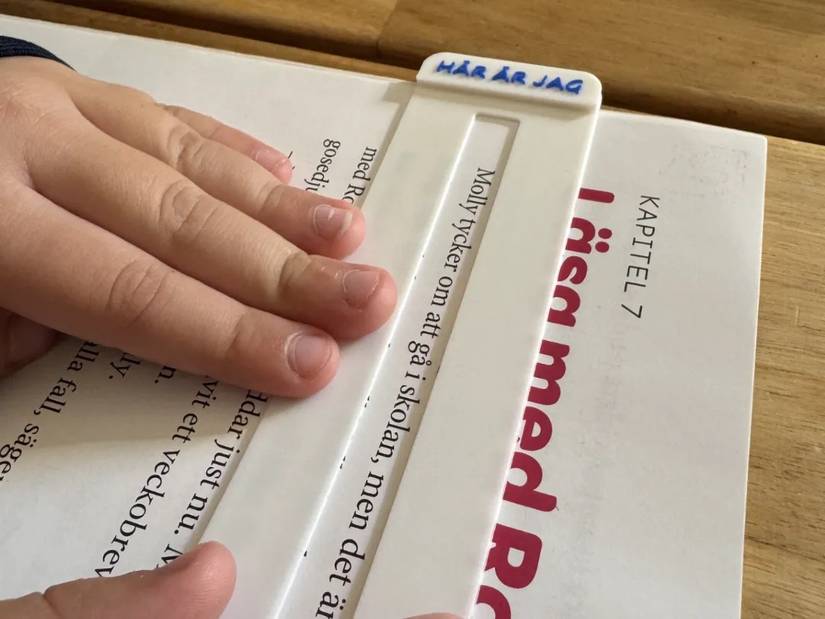
Accessibility is a recurring theme in the intersection of technology and reading. 3D-printed reading rulers, or guides, are designed to help readers focus on a single line of text at a time. This is an invaluable tool for individuals with dyslexia, ADHD, or visual processing challenges, as it reduces the "visual noise" of the surrounding paragraphs and helps prevent the eye from skipping lines.
While similar tools can be purchased commercially, 3D printing allows for immediate replacement if one is lost, and the ability to customize the guide’s dimensions to match specific book sizes. Furthermore, printing these guides in different colors can provide various levels of contrast, which is often a key factor in improving reading speed and comprehension for neurodivergent individuals. By making these tools easy to produce at home, 3D printing is helping to make literature more accessible to a wider audience.
The Gamification of Reading: Progress Counters
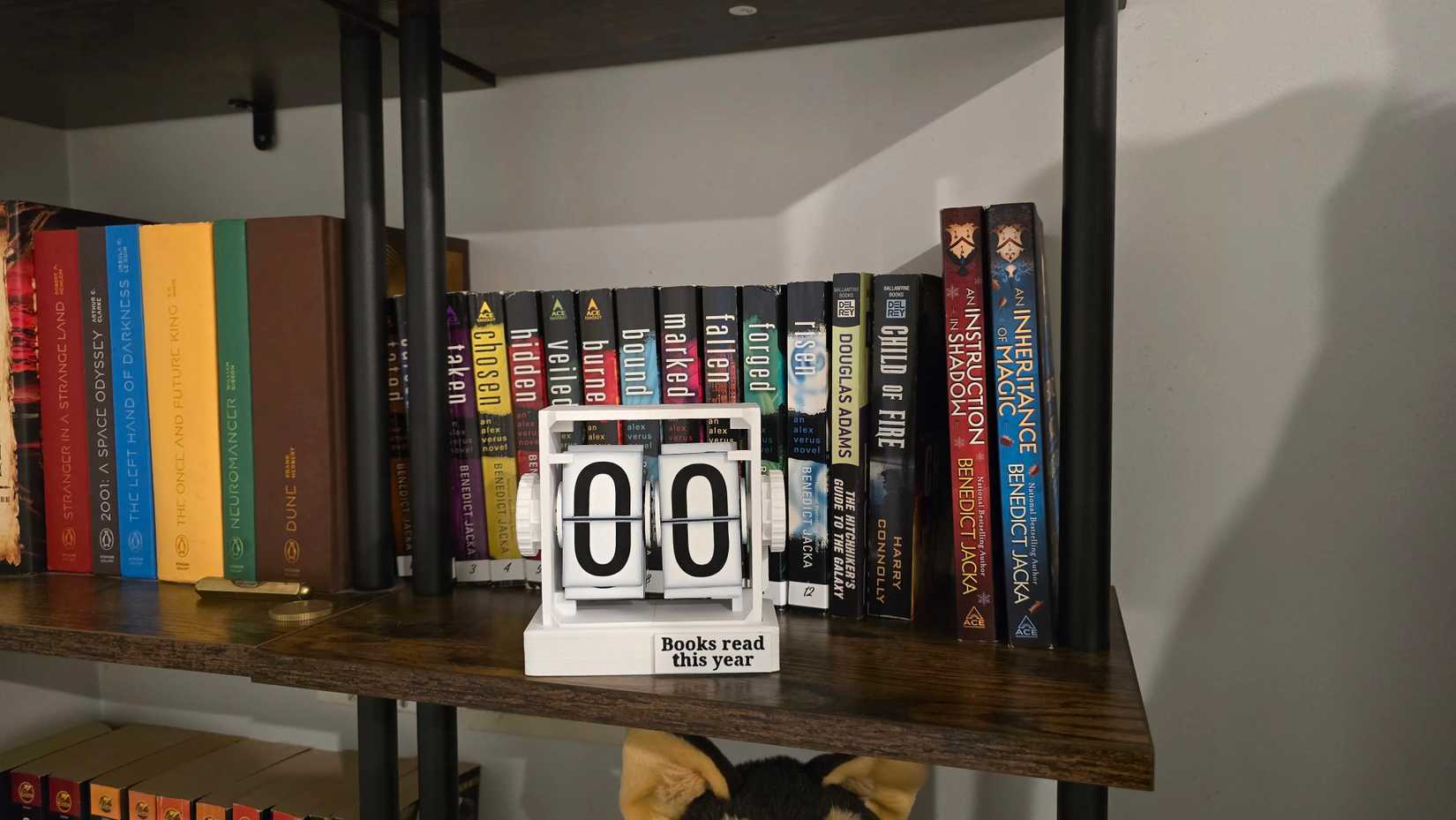
In the age of digital habit tracking, many readers are looking for ways to stay motivated and meet their annual reading goals. 3D-printed book counters offer a tactile, physical way to "gamify" the reading experience. These devices, which often sit on the shelf alongside the books themselves, feature mechanical wheels or sliders that allow the user to manually update the number of books they have completed.
This physical representation of progress can be a powerful psychological motivator. Seeing a numerical tally of one’s achievements provides a sense of momentum that a digital app sometimes lacks. For many, the act of clicking the counter over to a new number after finishing a final chapter is a rewarding ritual that encourages them to pick up the next book in their "to-read" pile.
Utility in the Kitchen: The 3D-Printed Cookbook Stand
Finally, the utility of 3D printing extends into the kitchen, where cookbooks are often subjected to the most grueling conditions. A sturdy, 3D-printed cookbook stand is an essential tool for any home chef who prefers physical recipes over digital screens. These stands serve a dual purpose: they prop the book at an ideal reading angle for hands-free use and keep the pages away from the inevitable spills and splashes of a busy kitchen.
Elegant and functional designs can be printed to accommodate everything from thin pamphlets to heavy, thousand-page culinary encyclopedias. Beyond the kitchen, these stands are equally useful for artists using reference books or students studying from heavy textbooks. They exemplify the 3D printer’s ability to create sturdy, utilitarian objects that perform as well as, if not better than, mass-produced retail alternatives.
A Harmonious Future for Tech and Text
The integration of 3D printing into the world of reading is a clear indication that technology does not always have to replace traditional hobbies; instead, it can be used to refine and enhance them. As 3D printers become more affordable and user-friendly, the library of the future may be defined not just by the books on the shelves, but by the custom-engineered tools that make reading them a more comfortable, organized, and personal experience.
Whether it is through a custom bookmark that celebrates a favorite character or an ergonomic holder that makes a late-night reading session more comfortable, the synergy between the digital "maker" and the dedicated reader is stronger than ever. For those who love the written word, the 3D printer is no longer just a gadget—it is an essential companion in the lifelong journey of discovery that is reading.
 Tech Tutorials & How-To Guides
The Strategic Workshop: Why Balancing Milwaukee and Ryobi Platforms Offers the Ultimate DIY Advantage
For the modern maker, DIY enthusiast, or professional tradesperson, the decision to...
 Tech Tutorials & How-To Guides
Reliability Without the Premium Price: The Evolution of Affordable Multi-Tools for Modern Everyday Carry
The concept of "Everyday Carry," or EDC, has evolved from a niche...
 Tech Tutorials & How-To Guides
The Persistence of Browser Hijackers: How a Tech Expert Used AI to Reclaim Chrome
In the modern digital landscape, the line between a helpful browser extension...







