
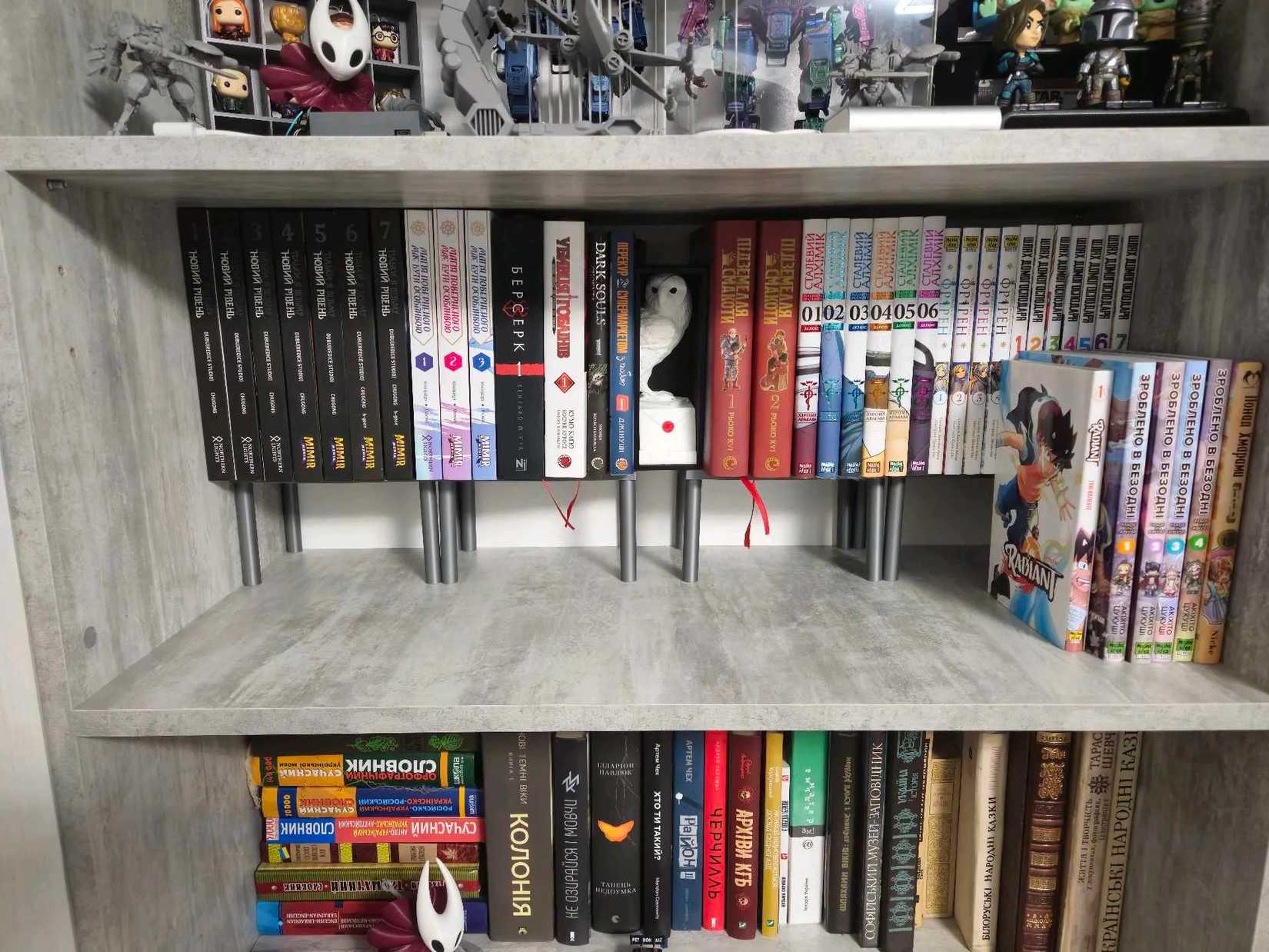
Beyond simple organization, 3D printing enables "invisible" and "floating" display methods that create a striking visual impact. Invisible bookshelves, which attach directly to the wall and are hidden by the books they support, give the illusion of a levitating stack of literature. For a more curated approach, inclined bookshelves can be printed to showcase a "book of the month" or a particularly beautiful cover, turning a standard library into a rotating art gallery. These solutions are not only aesthetic but also spatial, allowing readers to utilize vertical wall space that would otherwise remain empty.
Ergonomic Innovation: The Rise of the Book Page Holder
Perhaps the most significant contribution 3D printing has made to the actual act of reading is the development of ergonomic page holders. For many, holding a thick paperback open with one hand can lead to thumb fatigue or wrist strain, particularly during extended sessions or when reading in unconventional positions, such as lying on one’s side.
The 3D-printed page holder—a small, ring-like device that fits over the thumb—has become a viral sensation within the "BookTok" and "Bookstagram" communities. The design features "wings" that rest against the pages, holding the book wide open with minimal pressure. Some designers have even evolved this concept into rotating versions, where a floating ring allows the user to adjust their grip without losing tension on the pages.
This tool represents a broader trend of using 3D printing to create low-cost assistive technology. For readers with arthritis or other mobility issues in their hands, these simple plastic prints can significantly extend the amount of time they can comfortably enjoy a physical book. It is a prime example of how a small, inexpensive piece of plastic can solve a long-standing physical frustration.
Custom Bookmarks: A Canvas for Personality
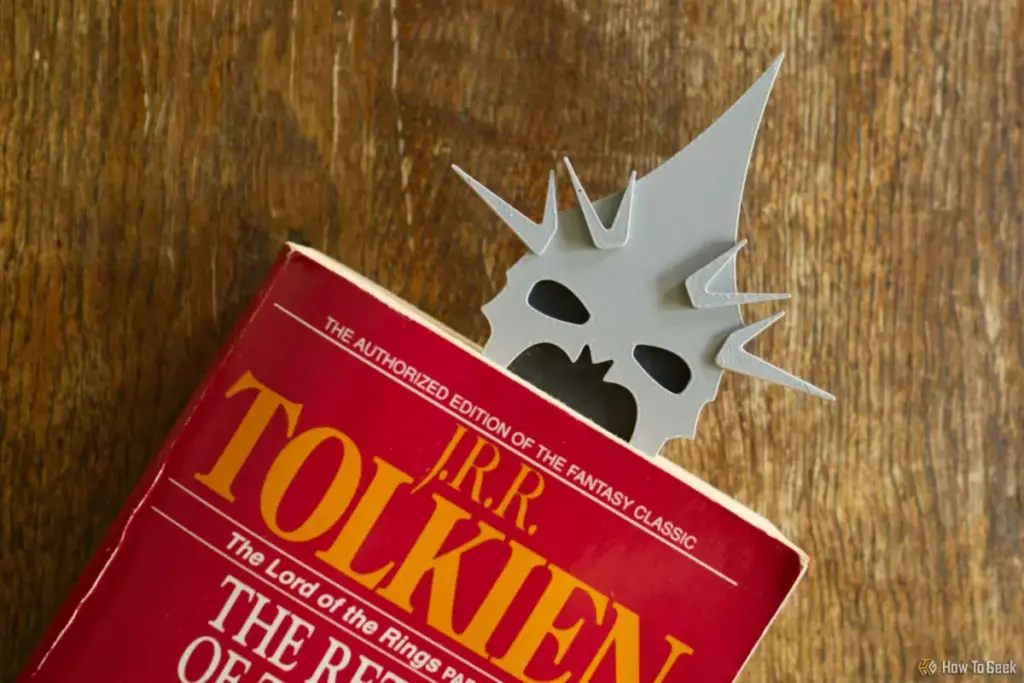
While the world is certainly not in short supply of bookmarks—ranging from receipts to expensive leather strips—3D printing allows readers to turn these placeholders into expressions of their personality. The flat, thin nature of a bookmark makes it an ideal project for beginners in 3D printing, requiring very little material and time.
The true value here lies in the ability to tap into specific fandoms and interests. For instance, a fan of high fantasy might print a bookmark featuring the Witch King of Angmar from The Lord of the Rings, while someone with a penchant for the eccentric might opt for a "squashed rat" or a "Loch Ness Monster" that appears to be swimming through the pages. These items often serve as conversation starters and make for highly personalized, thoughtful gifts for fellow bibliophiles. The durability of materials like PLA (Polylactic Acid) also ensures that these bookmarks last much longer than their paper or cardboard counterparts.
Enhancing Accessibility with Reading Guides
Accessibility is a recurring theme in the intersection of technology and reading. 3D-printed reading rulers, or guides, are designed to help readers focus on a single line of text at a time. This is an invaluable tool for individuals with dyslexia, ADHD, or visual processing challenges, as it reduces the "visual noise" of the surrounding paragraphs and helps prevent the eye from skipping lines.
 Tech Tutorials & How-To Guides
Essential Ryobi 18V ONE+ Tools Under $80 for New Homeowners and DIY Enthusiasts
The landscape of home improvement has shifted significantly over the last decade,...
 Tech Tutorials & How-To Guides
The Unseen Ecosystem: Why Samsung’s Most Powerful One UI Features Remain Hidden to Most Users
In the hyper-competitive landscape of global smartphone manufacturing, Samsung Electronics has long...
 Tech Tutorials & How-To Guides
The Mechanical Resilience of the Hard Disk Drive: Utilizing Hook-and-Loop Fasteners to Combat Vibration and Extend Hardware Longevity
In an era increasingly dominated by the blistering speeds of NVMe solid-state...







