
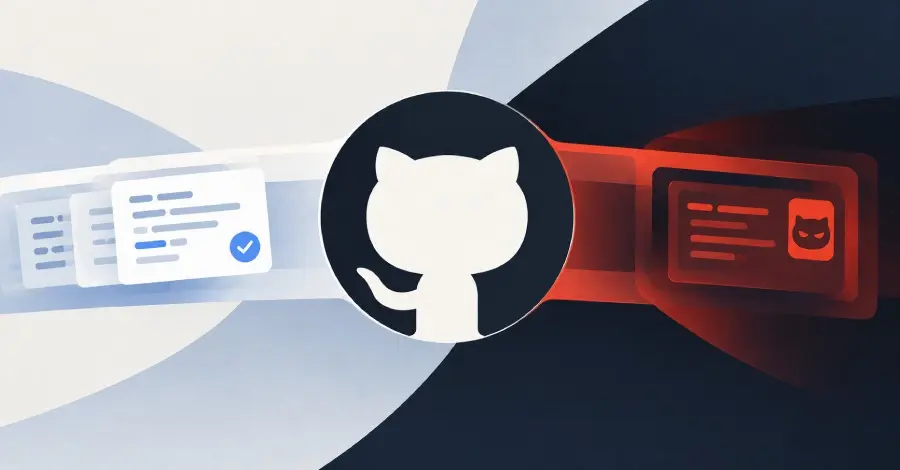
Redefining the Standard for Pipeline Security
As the industry grapples with these findings, the conversation is shifting from simple configuration rules to a more holistic view of pipeline integrity. This transition is being led by experts like Erika Heidi, Staff Developer Relations Engineer at Chainguard, who has been vocal about the need to distinguish between immutability and provenance.
In the upcoming session, "GitHub Actions Security Beyond SHA Pinning," Heidi is expected to outline a new framework for DevSecOps teams. The session draws a hard line between the technical act of pinning and the strategic requirement of verifying the origin of code. For platform and DevOps engineers who own the CI/CD infrastructure, the message is clear: the "set it and forget it" mentality of SHA pinning must be replaced with active monitoring and more sophisticated policy enforcement.
The challenge for modern AppSec teams is that the volume of third-party actions used in a typical enterprise environment is staggering. Each action represents a potential point of entry, and the automated nature of these tools means that a single compromise can scale across an entire organization in minutes. Security leaders who previously signed off on SHA pinning as a completed task are now being forced to revisit their pipeline policies to account for the "ghost commits" and supply chain poisoning techniques that defined the first half of 2026.
Who Should Attend the Next Wave of Defense?
The shift in the threat landscape has made this information vital for a broad range of professionals. Platform engineers who manage the underlying CI/CD architecture must understand the technical limitations of the tools they provide to developers. Similarly, DevSecOps teams responsible for writing the policies that govern pipeline behavior need to know why a "SHA-only" policy is no longer sufficient to meet modern compliance and security standards.
The incidents involving Trivy and issues-helper serve as a warning. Attackers have demonstrated a sophisticated understanding of CI/CD internals, using the very tools designed for transparency and collaboration to hide their tracks. They have shown that they can disguise a malicious payload as a hardening fix, exploiting the inherent trust that developers place in the tools they use every day.
As the industry moves toward the end of 2026, the goal is no longer just to ensure that code doesn’t change, but to ensure that the code is exactly what it claims to be, written by exactly who it claims to have been written by. For those whose workflows pull in third-party actions, the era of relying solely on a 40-character hash is over. The next phase of supply chain security will require a deeper integration of provenance, identity verification, and continuous monitoring to stay one step ahead of an adversary that has already proven it can bypass the industry’s best defenses.
 Cybersecurity Basics & Security News
LiteLLM Supply Chain Breach: How a Leaked Master Key Led to the Distribution of Malicious Python Packages
The cybersecurity landscape has been served a stark reminder of the long-tail...
 Cybersecurity Basics & Security News
Chainalysis Targeted in Cybersecurity Breach Involving Advanced AI-Driven Offensive Techniques
In a disclosure that underscores the escalating sophistication of the modern threat...
 Cybersecurity Basics & Security News
CISA Alerts Federal Agencies to Exploited VMware ESX Vulnerability Following Targeted Cyber Espionage Campaign
The United States Cybersecurity and Infrastructure Security Agency (CISA) has formally expanded...







