
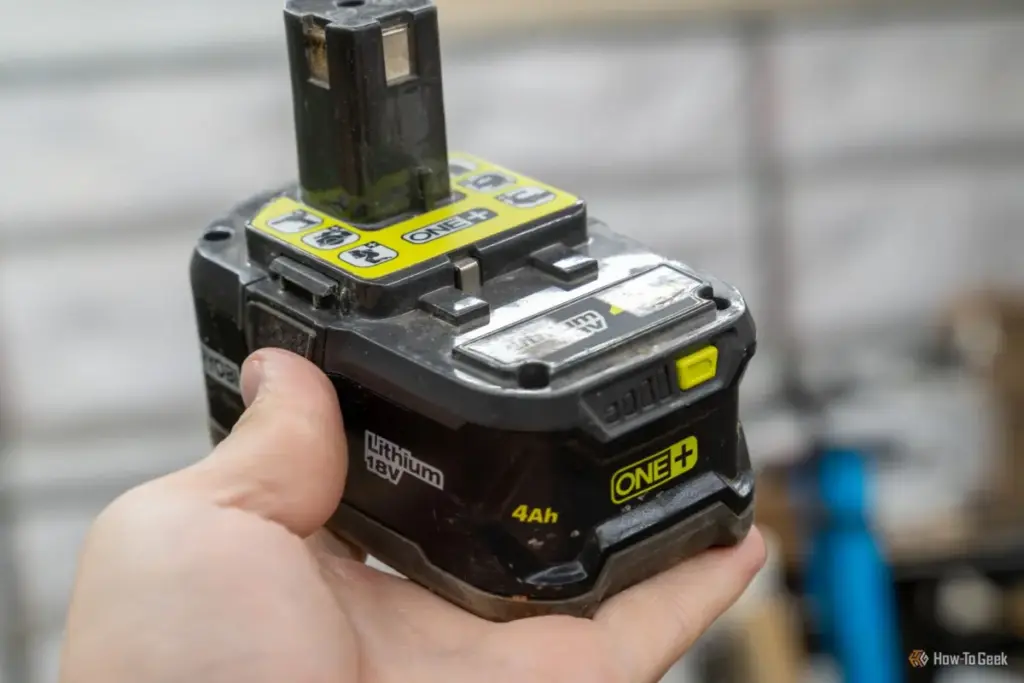
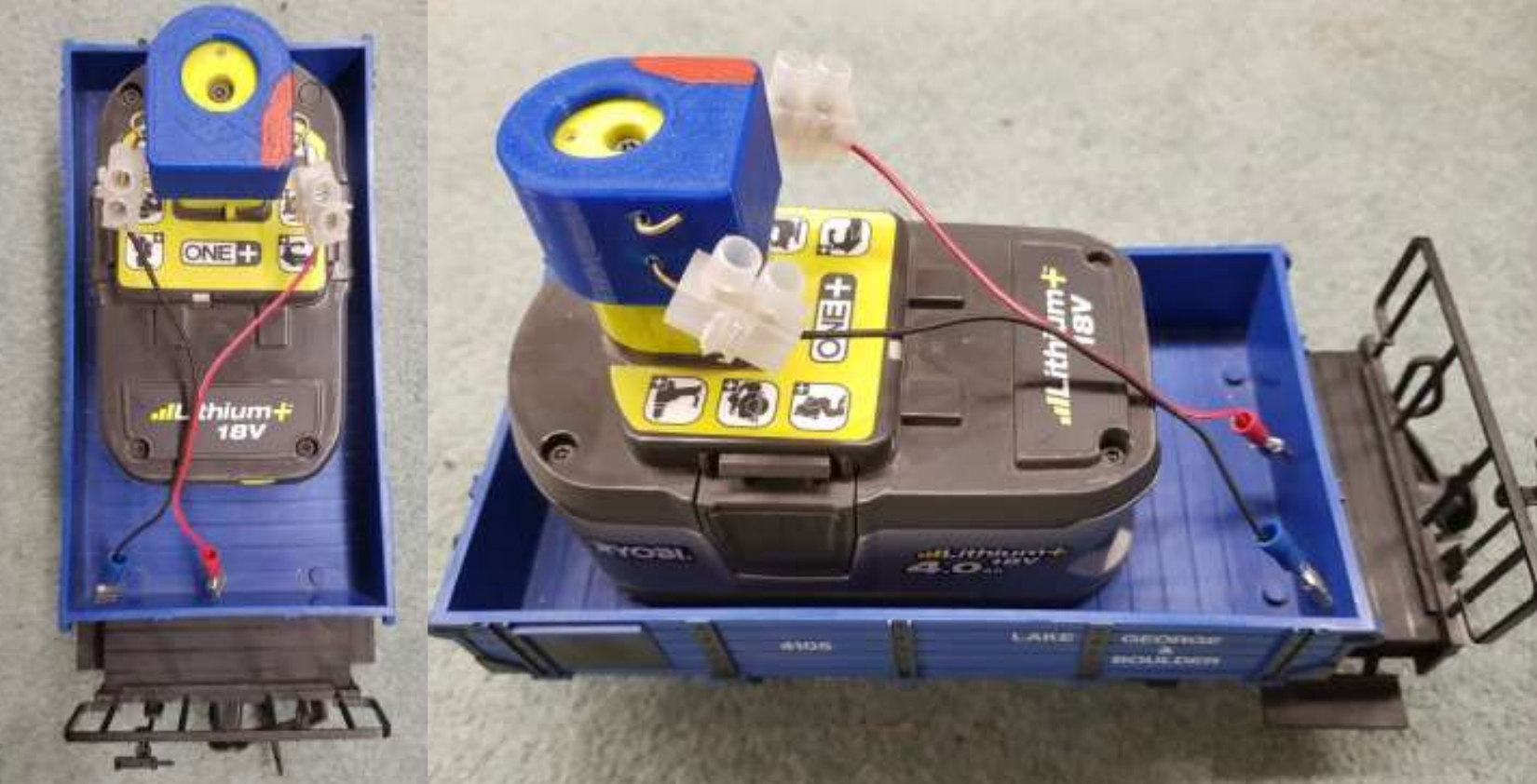
With the advent of affordable 3D printers and single-board computers like the Raspberry Pi, the cyberdeck community has flourished. However, the question of portable power remains a hurdle. While many builders opt for standard USB power banks, a growing faction of "deckers" has turned to power tool batteries. Utilizing a Ryobi pack as the "beating heart" of a computer fits the rugged, industrial spirit of the cyberpunk genre.
From a practical standpoint, the high watt-hour capacity of a large Ryobi pack allows these custom machines to run for extended periods, powering not just the computer itself, but also integrated peripherals like mechanical keyboards, specialized sensors, and high-brightness LCD screens. It is a marriage of utility and aesthetic that exemplifies the "scrappy" nature of the maker movement.
A Note of Caution in the Maker Age
While the ingenuity displayed by these inventors is undeniable, the repurposing of high-energy lithium-ion batteries carries inherent risks. The very "oomph" that makes a Ryobi battery capable of powering a go-kart or a kayak also makes it a potential hazard if handled incorrectly.
An 18V Ryobi battery can store anywhere from 24Wh to 216Wh of energy. If a custom circuit lacks a proper Battery Management System (BMS) or if the battery is over-discharged or short-circuited, the result can be a catastrophic thermal event. The "hoverboard plague" of years past serves as a stark reminder of what happens when high-density energy cells are poorly managed.
The professional consensus among the engineering community is clear: while the potential for innovation is vast, these projects require a deep understanding of electrical safety. The makers who find success are those who respect the power they are wielding, ensuring that their "wacky projects" are built with common sense and technical rigor.
As battery technology continues to evolve, the line between consumer products and raw industrial components will likely continue to blur. For now, the lime-green battery in the garage is no longer just for the weekend handyman; it is a versatile tool for the next generation of inventors, proving that with a little bit of code and some 3D-printed plastic, the possibilities are limited only by one’s imagination.
 Tech Tutorials & How-To Guides
Garmin’s vívoactive 5 Hits Record Low Price in Significant Amazon Discount Event
In a move that signals aggressive pricing within the wearable technology sector,...
 Tech Tutorials & How-To Guides
The Enduring Legacy of Connectivity: Why Decades-Old Ports Still Dominate Modern Technology
In an era defined by rapid technological obsolescence, where smartphones are replaced...
 Tech Tutorials & How-To Guides
The Unseen Ecosystem: Why Samsung’s Most Powerful One UI Features Remain Hidden to Most Users
In the hyper-competitive landscape of global smartphone manufacturing, Samsung Electronics has long...







