
This proactive approach is essential when lending a device, as it ensures that no background processes are compromising the owner’s privacy while the phone is in another person’s hands. It reflects a shift in mobile security from reactive measures—like changing a password after a breach—to a model of continuous, transparent monitoring.
Optical Security: The Privacy Display
Finally, Shah addressed the physical environment in which her brother would be using the phone. In public spaces, meeting rooms, or on public transit, "visual hacking"—the act of looking at someone else’s screen from an angle—is a common way for information to be compromised.
To combat this, Shah activated the Samsung Privacy Display feature. This technology adjusts the light emission of the screen, significantly narrowing the viewing angle. While the screen remains crisp and clear for the person holding it directly in front of them, it appears dark or distorted to anyone attempting to view it from the side.
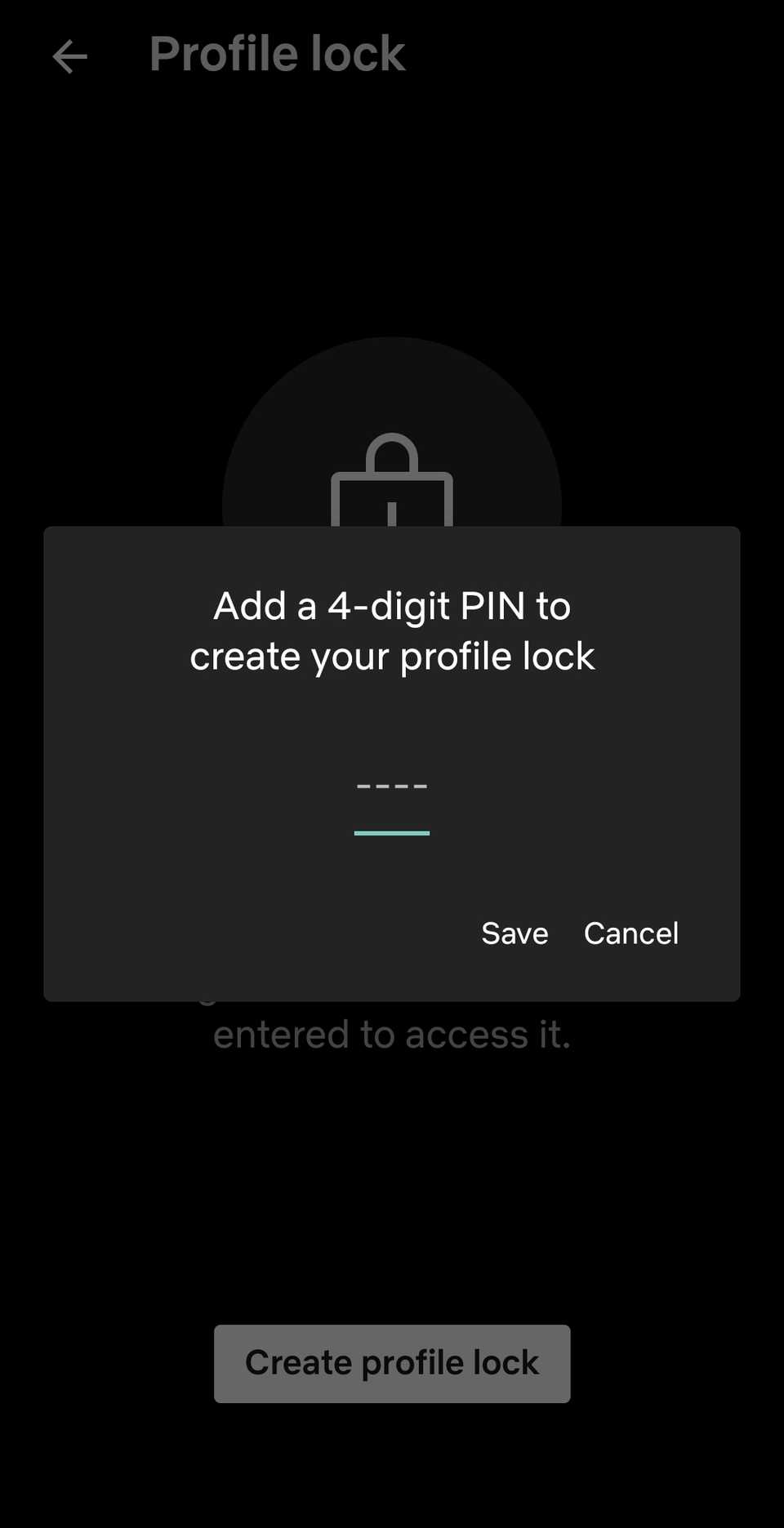
This feature is as much for the borrower’s protection as it is for the owner’s. Since Shah’s brother would be checking his own call history and potentially typing sensitive information, the Privacy Display ensured that his actions remained private from onlookers in crowded environments.
"I don’t want people sitting next to him peeking at the screen," Shah noted, characterizing the move as an act of "good sisterhood" as much as a security precaution. It represents the final layer of a comprehensive strategy that covers hardware, software, and the physical space between the user and the device.
The Evolution of Trust in a Connected Age
The scenario of a sister lending a phone to her brother serves as a microcosm for the broader challenges of privacy in the digital age. As smartphones become more integrated into our identities, the barriers to sharing them become higher. However, as demonstrated by Shah’s experience, technology is evolving to meet these challenges.
The suite of features available in the Samsung ecosystem—from the hardware-backed encryption of Secure Folder to the optical privacy of the display—suggests a future where device sharing is no longer a risk, but a managed interaction. These settings do not reflect a lack of trust between individuals; rather, they reflect a sophisticated understanding of the value of personal data.
By taking a few minutes to configure these settings, users can maintain the integrity of their digital lives while still being helpful to those around them. For Sanya Shah, the ability to hand over her phone without anxiety is the ultimate proof of the effectiveness of these tools. In her view, trust is a vital human connection, but in the realm of technology, a well-configured privacy suite is an even more reliable ally.
 Tech Tutorials & How-To Guides
The Green Power Revolution: How Ryobi’s Battery Ecosystem Is Fueling a New Wave of DIY Innovation
For decades, the world of power tools was defined by proprietary restrictions...
 Tech Tutorials & How-To Guides
The Power of Automation: Why Home Assistant Users Are Rediscovering These Underutilized Features
The landscape of the modern smart home has shifted dramatically over the...
 Tech Tutorials & How-To Guides
Five Highly Rated Comedy Series on Netflix for Quick and Easy Viewing
In the modern landscape of streaming, where "prestige television" often demands dozens...







