
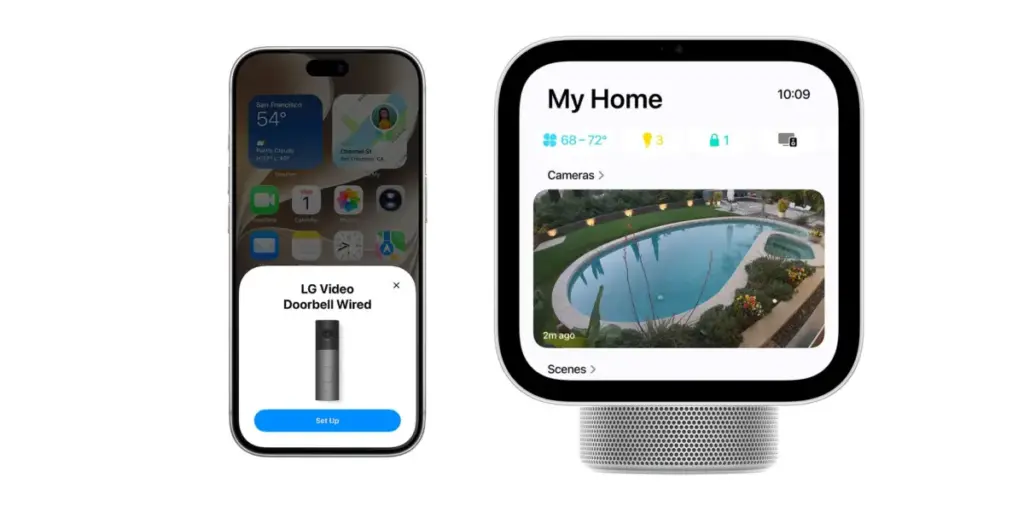
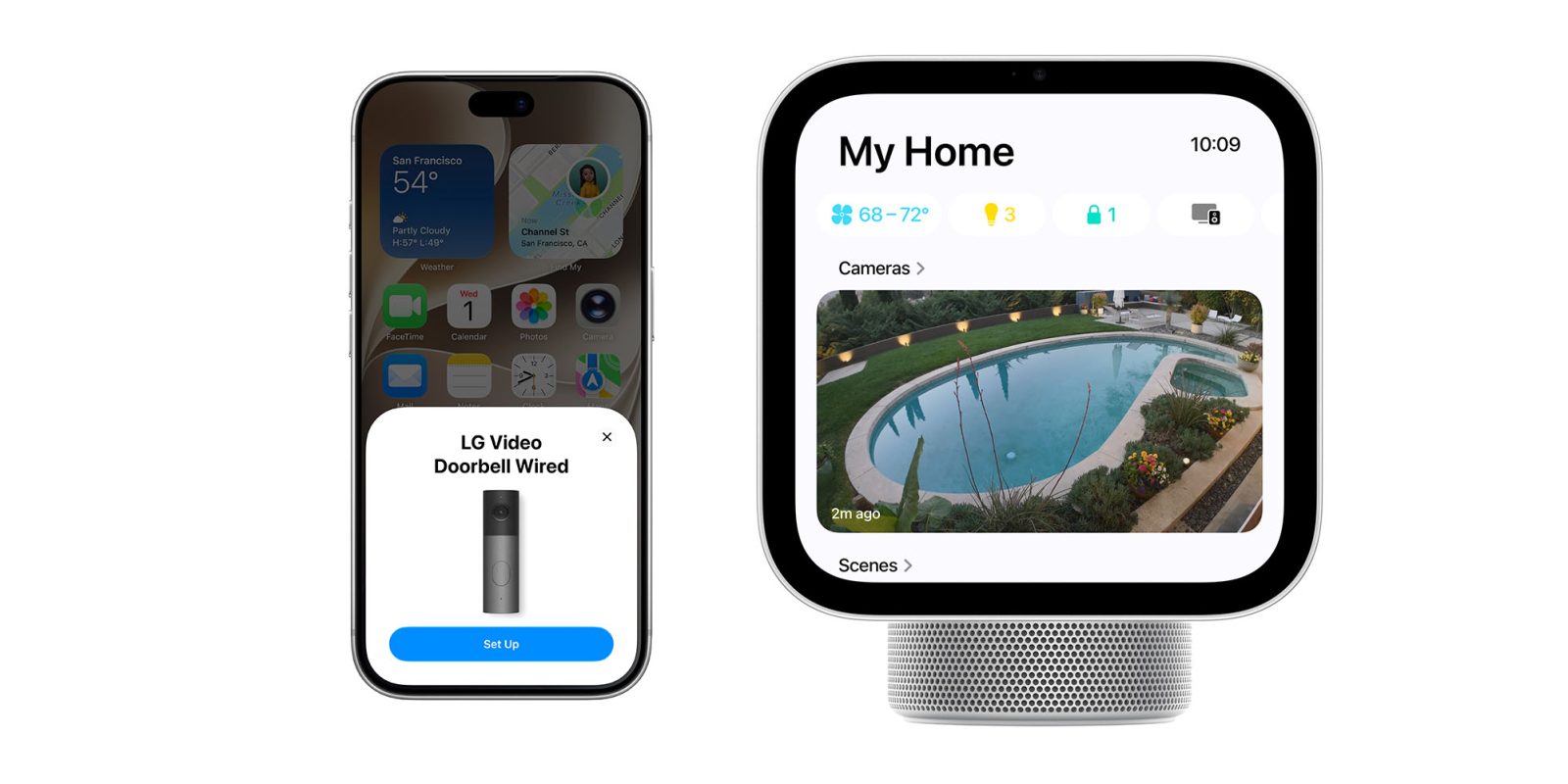
The industry eventually recognized that fragmentation was stifling growth. The introduction of the Matter and Thread standards was a major milestone intended to solve these interoperability issues. Matter provided a universal language for smart devices to communicate across different platforms, while Thread offered a low-power, self-healing mesh network to improve reliability.
While these standards significantly improved the landscape, they did not entirely solve the "onboarding" problem. Even with Matter, the process of adding a device to a network still required a level of technical literacy that many casual users found daunting. Scanning QR codes, ensuring devices are on the right 2.4GHz frequency, and managing "commissioning" windows still represented points of friction. The technology had become more stable, but it hadn’t yet become "magical."
The Apple Home Collection and the "AirPods" Moment
The Apple Home Collection aims to provide that missing piece of the puzzle: a frictionless setup experience. While geeks may scoff at paying a premium for a smart plug or a sensor that performs the same basic task as a $15 alternative, the value proposition of the Apple Home Collection isn’t found in the task itself, but in the ease of execution.
Early reports and hands-on demonstrations suggest that Apple has successfully applied its "AirPods-style" pairing logic to the home. For years, the gold standard of user experience has been the way AirPods connect to an iPhone—simply open the case near the phone, and a prompt appears. There is no searching through Bluetooth menus, no entering pairing codes, and no troubleshooting.
The Apple Home Collection brings this level of intuitive design to much more complex devices, such as the LG doorbell and various Schneider Electric components. Ajay Kumar of CNET recently highlighted this during a hands-on demonstration, noting how an Apple representative was able to pair and register a new device instantly while maintaining a casual conversation. The setup was managed entirely through the Apple Home app without the need for third-party software or complex networking steps.
This "instant-on" capability is facilitated by the deep integration between Apple’s software and the hardware co-developed with LG and Schneider. By controlling the stack from the silicon level to the user interface, Apple can eliminate the "handshake" issues that plague generic Matter devices. For a "normie"—the average consumer who wants the benefits of a smart home without the headache of managing it—this simplicity is the ultimate feature.
Expanding the Mass Market Appeal
 Smart Home & IoT Solutions
Apple Targets 2027 for Launch of Dedicated Home Security and Monitoring Service
For years, Apple’s presence in the smart home market has been characterized...
 Smart Home & IoT Solutions
Apple Intelligence in the Home: New AI Security Features Require Top-Tier iCloud+ Subscription
As the development cycle for Apple’s upcoming software ecosystem continues, the release...
 Smart Home & IoT Solutions
IRobot Re-emerges Under New Ownership with Ambitious Eight-Model Roomba Lineup Following Bankruptcy
In a significant turn of events for the consumer robotics industry, iRobot,...






