
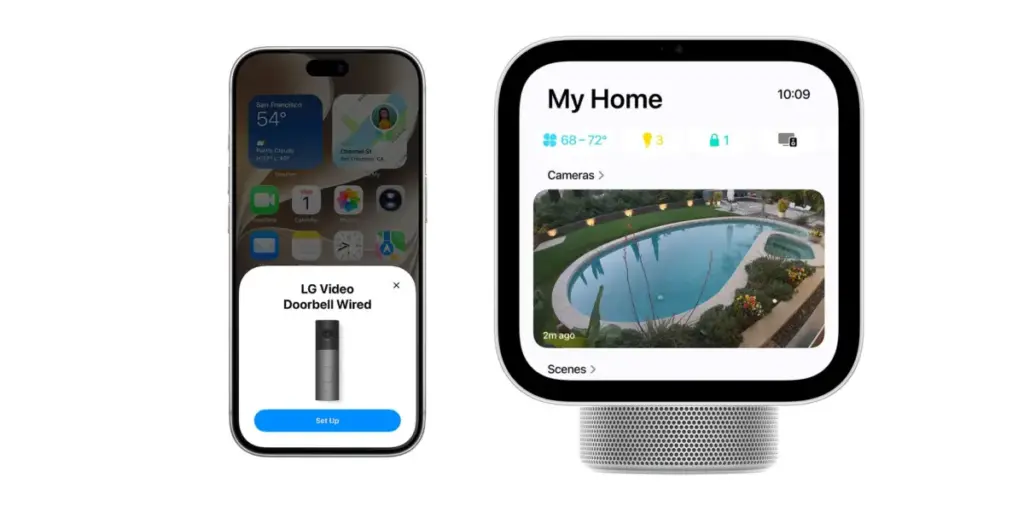
We should not underestimate the impact that removing technical friction will have on adoption rates. Many consumers are intrigued by the idea of a smart home—automated lighting for security, smart thermostats for energy savings, and video doorbells for convenience—but they have been paralyzed by the apparent complexity of the setup.

When a product requires the user to understand the difference between a hub and a bridge, or requires them to navigate a clunky third-party app that asks for unnecessary permissions, the average consumer often decides the effort isn’t worth the reward. Apple’s strategy with the Home Collection is to turn the smart home into a series of "plug-and-play" appliances.
If a homeowner can buy a smart light switch or a security camera, bring it home, and have it fully operational within ten seconds of holding their iPhone near it, the psychological barrier to entry vanishes. This is the same philosophy that allowed the iPhone to dominate the smartphone market and the iPad to define the tablet category. It isn’t always about being the first to offer a feature; it is about being the first to make that feature accessible to everyone.
The collaboration with LG and Schneider Electric also lends a sense of "industrial-grade" reliability to the collection. These are established brands that consumers already trust for their appliances and electrical infrastructure. By pairing that hardware expertise with Apple’s software prowess and the new HomeView interface, the collection positions the smart home as a premium, reliable utility rather than a collection of tech toys.
The Future of the Connected Home
While the tech community will likely continue to debate the cost-to-benefit ratio of these devices, the broader market is poised for a shift. The Apple Home Collection is not designed for the person who enjoys spending their Saturday afternoon configuring a Home Assistant server or flashing custom firmware onto a smart plug. It is designed for the person who wants their home to "just work."
As Apple continues to integrate these devices with its broader ecosystem—leveraging the Apple TV as a home hub and utilizing the iPhone and Apple Watch as primary interfaces—the value of the "Apple Tax" becomes clearer. It is a payment for the absence of frustration.
For those who have been waiting on the sidelines of the smart home revolution, put off by the horror stories of connectivity issues and complicated installations, the Apple Home Collection represents a clear invitation to join. If Apple can truly deliver a setup process as simple as pairing a set of headphones, we may finally see the smart home move from a niche hobby to a standard feature of the modern household. The next step in mass-market adoption isn’t a new piece of hardware or a faster processor; it is the total elimination of the setup manual.
 Smart Home & IoT Solutions
Apple Set to Unveil "HomeView" Smart Hub with iMac G4-Inspired Design and A18 Chip at Upcoming "Welcome Home" Event
Apple is preparing to make its most significant leap into the smart...
 Smart Home & IoT Solutions
Abode Expands Smart Home Ecosystem with New Apple Home-Compatible Outdoor and Garage Sensors
The landscape of DIY home security continues to evolve as homeowners seek...
 Smart Home & IoT Solutions
Apple and LG Collaborate on Major Smart Home Expansion to Reboot the HomeKit Ecosystem
In a significant strategic shift aimed at revitalizing its presence in the...






