
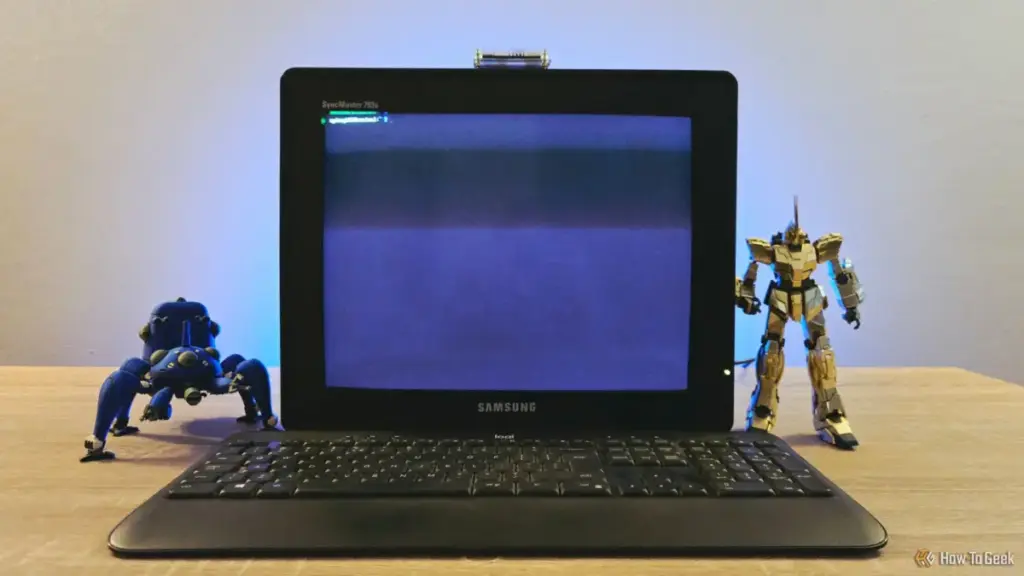
One potential software addition is "Cool Retro Term," a terminal emulator designed to mimic the specific visual quirks of old monochrome monitors. It replicates the scanlines, phosphor flicker, and slight curvature of 1980s displays. However, Butler expressed some hesitation regarding this route. Since the system is already running on a physical CRT, emulating a CRT through software might be redundant, or even detrimental to performance, as it would require the installation of a desktop environment to run the emulator.
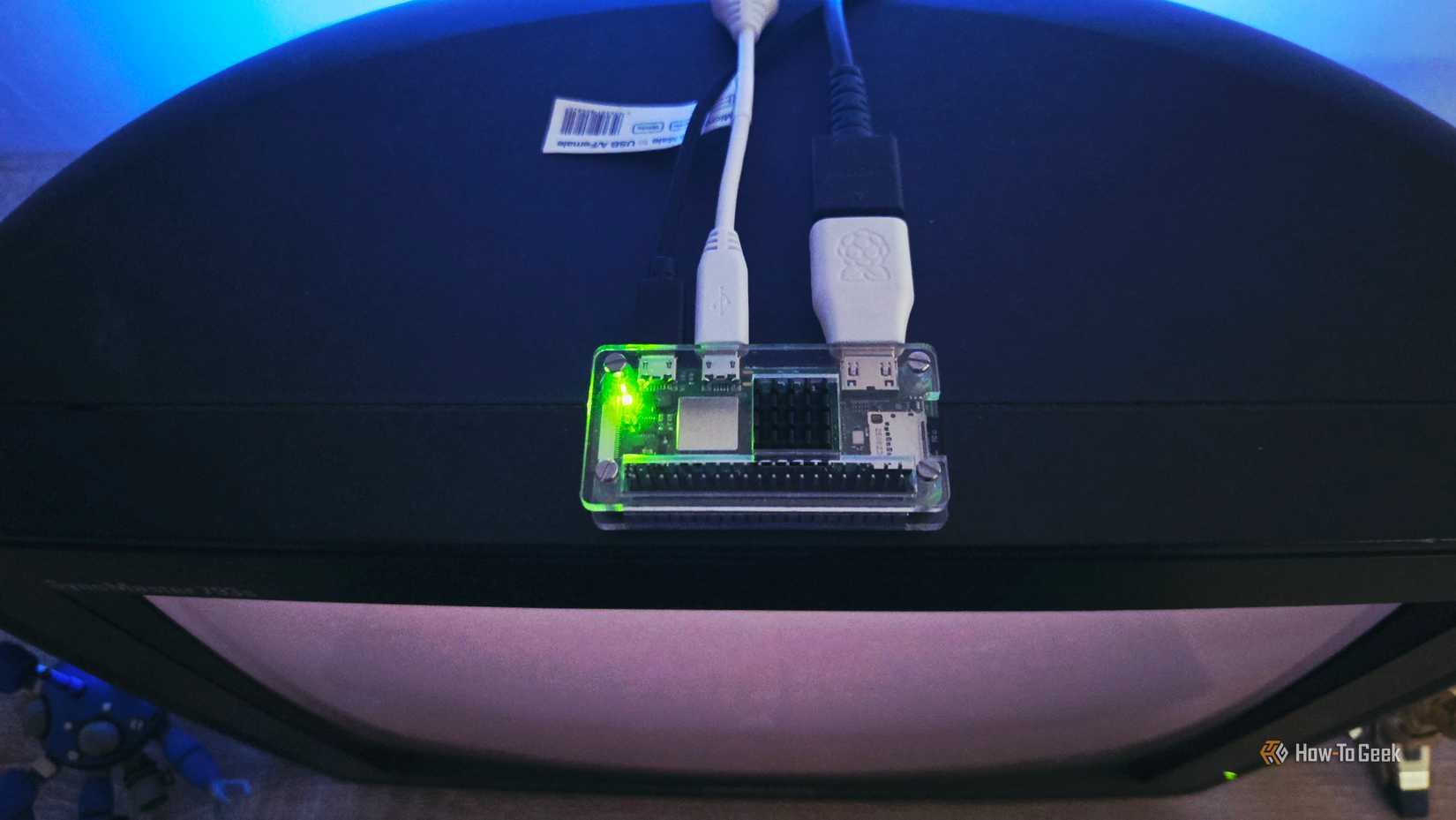
"In-person, having the terminal run on a popular budget CRT model that I actually used in high school feels plenty retro to me," Butler noted. The authenticity of the hardware provides a tactile experience that software emulation can rarely match.
To complete the transformation, Butler is looking toward physical modifications. This includes sourcing a period-appropriate keyboard—perhaps a mechanical model with the heavy, clicky switches of the early 90s—and 3D printing a custom enclosure for the Raspberry Pi. Using "beige" filament to match the iconic office equipment color of the era, the casing would hide the modern board and messy adapters, creating a cohesive, "factory-original" look for the entire unit.
A Lesson in Digital Sustainability
Beyond the fun of the build, Butler’s project serves as a subtle commentary on the lifecycle of consumer electronics. In an industry that encourages frequent upgrades, the Samsung CRT and the Raspberry Pi Zero 2W represent two different ends of the "forgotten tech" spectrum: one an obsolete relic and the other a cheap, often overlooked component sitting in a drawer.
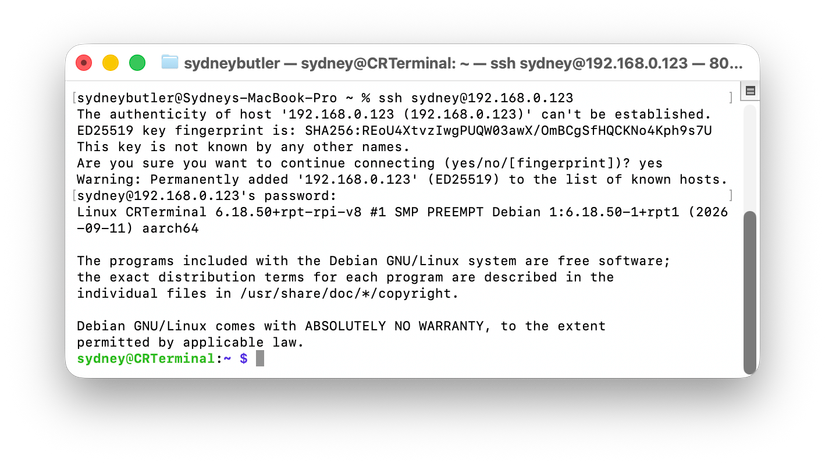
By combining them, Butler has created a tool that is arguably more focused and less distracting than a modern computer. It is a reminder that "obsolete" hardware often retains its utility if the user is willing to rethink its purpose. As single-board computer prices stabilize and the "maker" community continues to grow, projects like this offer a blueprint for how enthusiasts can reduce e-waste while building specialized, high-personality workstations.
For Sydney Butler, the project is a blend of his professional expertise in hardware and his psychological interest in how we interact with technology. It is a "pointless-yet-fun" endeavor that ultimately results in a more engaging way to manage the invisible servers that power a modern home. Whether it remains a simple terminal or evolves into a dedicated Wikipedia station, the glowing glass of the Samsung CRT has, for now, found a new lease on life in the age of the cloud.
 Tech Tutorials & How-To Guides
The Rise of the "Travel Binge": Why Limited Series Are Becoming the Preferred Companion for the Modern Traveler
The modern travel experience has undergone a quiet but significant digital transformation...
 Tech Tutorials & How-To Guides
The Self-Hosted Revolution: Leveraging Raspberry Pi for Professional and Personal Digital Sovereignty
In the rapidly evolving landscape of modern technology, the boundary between consumer-grade...
 Tech Tutorials & How-To Guides
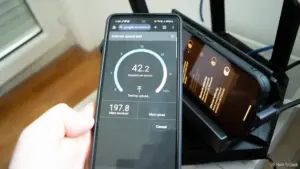
The Hidden Bottleneck: Why Standard Speed Tests Often Fail to Detect Faulty Network Hardware
In the modern digital household, few things are as frustrating as a...







