
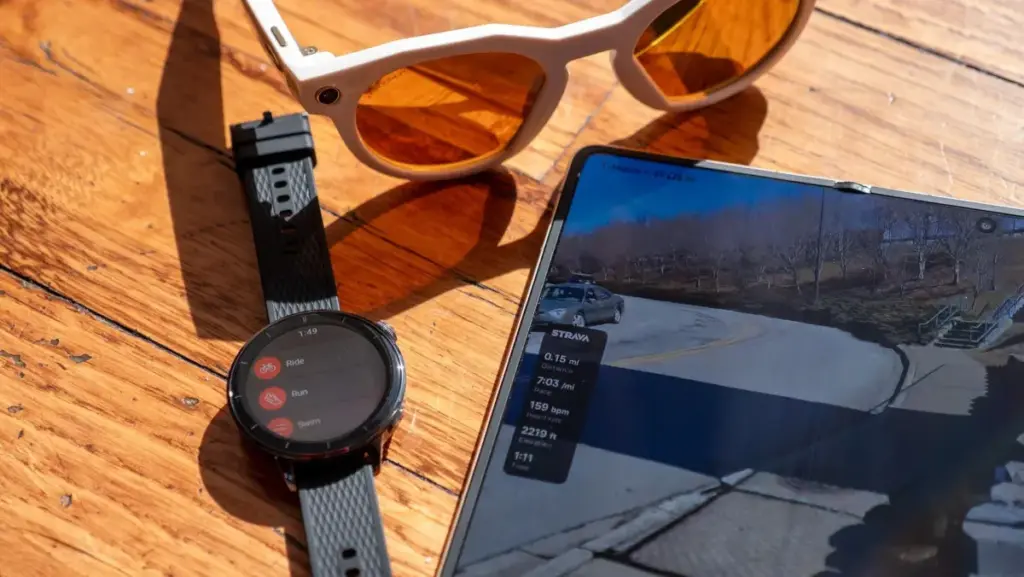
For those eager to begin using the feature, the setup process is integrated into the Google Gemini interface. Subscribers can activate the connection by navigating to the "Personal Intelligence" section within Gemini, selecting Strava from the "Connected Apps" menu, and signing in to authorize data sharing. Strava has confirmed that this feature is being made available to users across all Gemini plans, provided they are Strava subscribers and located within the United States during the initial rollout phase.
The Evolution of Athlete Intelligence
This partnership with Google is the latest step in Strava’s long-term strategy to incorporate artificial intelligence into its platform. The company began its foray into AI-driven analytics approximately a year and a half ago with the introduction of "Athlete Intelligence." This feature was designed to move the platform away from being a simple digital logbook and toward becoming a proactive training partner.
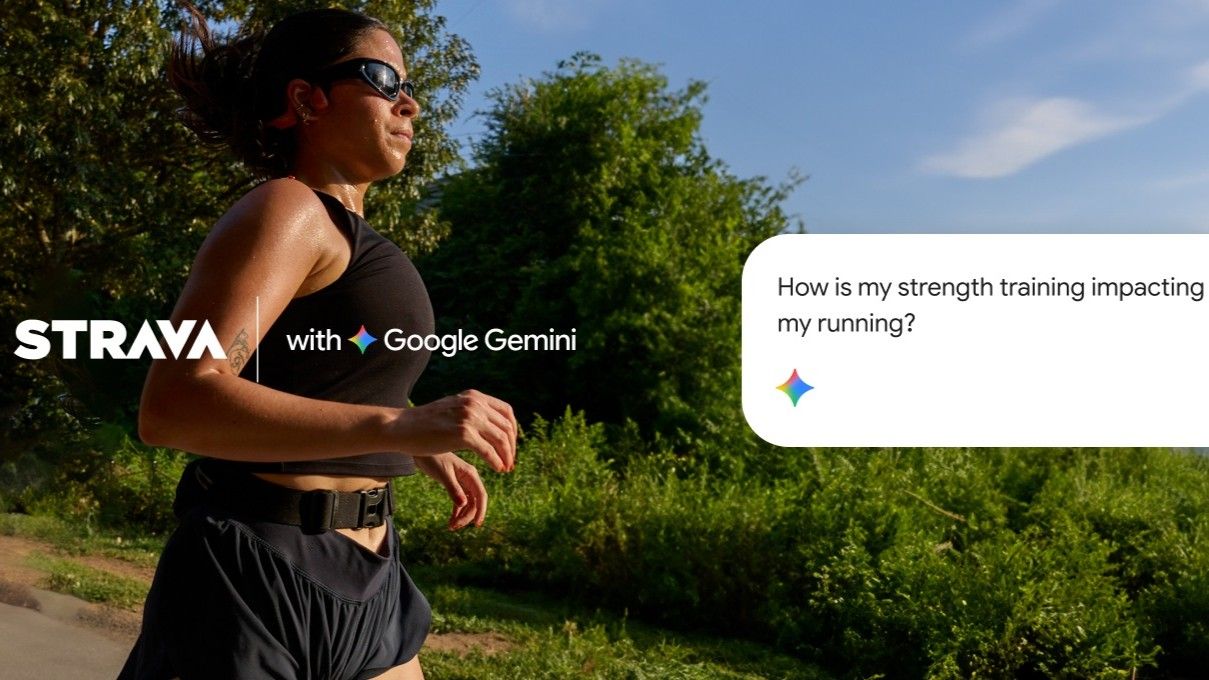
Athlete Intelligence underwent a rigorous testing period, remaining in a private beta for four and a half months before its wider release. During this phase, the system was refined to improve its accuracy and expand the types of data it could interpret. One of the most significant advancements during this period was the ability for the AI to analyze "non-GPS activities." While Strava is famously known for its "segments" and GPS-tracked routes, a large portion of athletic training happens indoors or in stationary environments. The AI was trained to interpret data from treadmill runs, indoor cycling power meters, and other gym-based activities, ensuring that a user’s entire fitness profile was accounted for, regardless of whether they were moving across a map.
The Athlete Intelligence feature also introduced the ability for the platform to note how a user’s pace or speed compared to their historical performance on specific routes. By recognizing patterns over time, the software could congratulate a user on a "stronger than average" effort or suggest rest if it detected a decline in efficiency. While initial testing of these AI features did reveal some early errors—typical of nascent machine learning models—the consensus among early adopters was that the insights were remarkably "spot on" and provided a much-needed layer of context to the raw numbers.
Following the stabilization of Athlete Intelligence, Strava introduced "AI Performance Predictions," a feature specifically tailored for runners. This software uses a subscriber’s historical data to estimate their finishing times for standard race distances, including 5K, 10K, half-marathons, and full marathons. To ensure the accuracy of these predictions, the system requires a significant baseline of data; Strava advises that users need to catalog at least 20 activities before the AI Performance Predictions can generate reliable estimates. This requirement highlights the company’s commitment to data-driven accuracy over quick, generalized estimations.
 Mobile Device Management (MDM) & Mobile OS
TCL NXTPAPER 11 Plus Drops Below $200, Offering a Compelling Android Alternative to Traditional E-Readers
For years, the choice for digital readers has been a binary one:...
 Mobile Device Management (MDM) & Mobile OS
Samsung Galaxy Fit 4 Leak Points to Refined Design and Updated Connectivity for Upcoming Fitness Tracker
The landscape of wearable technology is often dominated by high-end smartwatches boasting...
 Mobile Device Management (MDM) & Mobile OS
Privacy Concerns Mount as Google Automatically Links Phone Numbers to All Signed-In Android Accounts
A quiet shift in how Google manages user identity on Android devices...







