
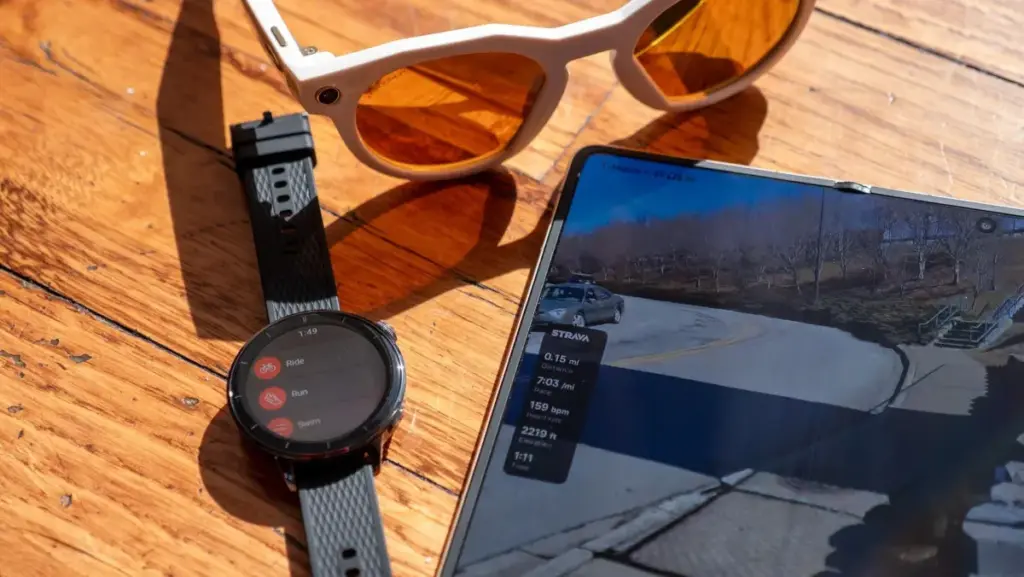
In a significant move that signals the deepening intersection of wearable technology and generative artificial intelligence, Strava has officially begun rolling out a new integration with Google Gemini. This partnership aims to transform the way athletes and fitness enthusiasts interact with their personal wellness data, moving beyond static charts and graphs toward a more conversational and interpretative experience. By leveraging Google’s advanced large language models, Strava is offering its subscribers a more nuanced understanding of their performance, recovery, and long-term progress.
The collaboration, announced in a recent press release, introduces a "Connected Apps" experience within the Google Gemini ecosystem. Starting this week, Strava subscribers in the United States can link their accounts directly to Gemini, allowing the AI to access their activity history and biometric data to provide tailored feedback. The integration is designed to help users "uncover insights" that might otherwise remain hidden within the thousands of data points collected during daily workouts and races. According to Strava, Gemini will not just provide generic fitness advice but will instead personalize its responses based on the specific training volume, consistency, and athletic history of the individual user.
What You Need to Know
The core value proposition of this integration lies in the ability for users to ask complex, open-ended questions about their physical condition and training trajectory. Strava highlights several practical applications of this technology, noting that users can now engage in a dialogue with their data. For instance, an athlete might ask Gemini, "Am I getting faster at the same heart rate?" In response, Gemini does not simply look at the most recent run; it analyzes historical trends, comparing heart rate and speed across various factors, including the user’s total training volume, their consistency over weeks or months, and the specific mix of sports they engage in, such as cycling, running, or swimming.
Beyond high-level trend analysis, the integration offers granular performance breakdowns. For competitive runners, Gemini can dissect racing performance on a mile-by-mile basis, providing a level of post-race analysis that previously required manual calculation or specialized coaching software. This allows athletes to identify exactly where their pace may have faltered or where their heart rate spiked unexpectedly, enabling more informed adjustments for future competitions.
The intelligence of the system also extends to environmental factors, which have long been a variable that complicates fitness data. Strava has updated the integration to account for external conditions that might affect how a user feels during an activity. According to the company’s announcement, users can now ask Gemini if their perceived "sluggishness" during a workout was a result of their physical state or if external factors, such as extreme heat or high humidity, were the primary cause. By correlating weather data with performance metrics, the AI provides a more empathetic and accurate assessment of a workout, preventing athletes from becoming discouraged by slow times that were actually the result of difficult environmental conditions.
For those eager to begin using the feature, the setup process is integrated into the Google Gemini interface. Subscribers can activate the connection by navigating to the "Personal Intelligence" section within Gemini, selecting Strava from the "Connected Apps" menu, and signing in to authorize data sharing. Strava has confirmed that this feature is being made available to users across all Gemini plans, provided they are Strava subscribers and located within the United States during the initial rollout phase.
The Evolution of Athlete Intelligence
This partnership with Google is the latest step in Strava’s long-term strategy to incorporate artificial intelligence into its platform. The company began its foray into AI-driven analytics approximately a year and a half ago with the introduction of "Athlete Intelligence." This feature was designed to move the platform away from being a simple digital logbook and toward becoming a proactive training partner.
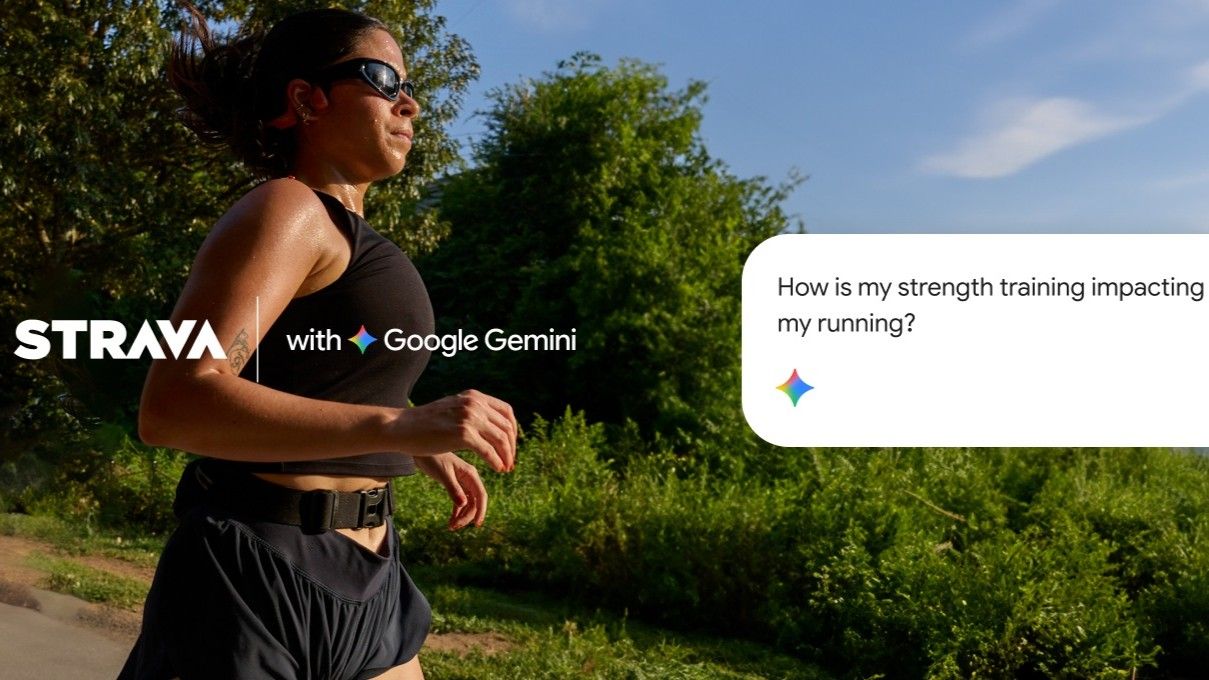
Athlete Intelligence underwent a rigorous testing period, remaining in a private beta for four and a half months before its wider release. During this phase, the system was refined to improve its accuracy and expand the types of data it could interpret. One of the most significant advancements during this period was the ability for the AI to analyze "non-GPS activities." While Strava is famously known for its "segments" and GPS-tracked routes, a large portion of athletic training happens indoors or in stationary environments. The AI was trained to interpret data from treadmill runs, indoor cycling power meters, and other gym-based activities, ensuring that a user’s entire fitness profile was accounted for, regardless of whether they were moving across a map.
The Athlete Intelligence feature also introduced the ability for the platform to note how a user’s pace or speed compared to their historical performance on specific routes. By recognizing patterns over time, the software could congratulate a user on a "stronger than average" effort or suggest rest if it detected a decline in efficiency. While initial testing of these AI features did reveal some early errors—typical of nascent machine learning models—the consensus among early adopters was that the insights were remarkably "spot on" and provided a much-needed layer of context to the raw numbers.
Following the stabilization of Athlete Intelligence, Strava introduced "AI Performance Predictions," a feature specifically tailored for runners. This software uses a subscriber’s historical data to estimate their finishing times for standard race distances, including 5K, 10K, half-marathons, and full marathons. To ensure the accuracy of these predictions, the system requires a significant baseline of data; Strava advises that users need to catalog at least 20 activities before the AI Performance Predictions can generate reliable estimates. This requirement highlights the company’s commitment to data-driven accuracy over quick, generalized estimations.
A New Era for Digital Coaching
The integration with Google Gemini represents a shift in how fitness platforms view their role in an athlete’s life. By moving these insights into a generative AI interface, Strava is acknowledging that athletes often have questions that don’t fit into a standard dashboard. The ability to ask "Why did I feel tired today?" and receive an answer that considers three months of training load, the humidity of the morning, and the user’s heart rate variability marks a significant departure from the "quantified self" era of the early 2010s.
This move also places Strava in a more competitive position against other fitness giants that have integrated their own proprietary coaching algorithms. By partnering with Google, Strava gains access to one of the most powerful language models in the world, allowing it to focus on the quality of the fitness data while Gemini handles the natural language processing and contextual reasoning.
As the rollout continues, the focus for many users will be on how these insights translate into actual training adjustments. The promise of the Strava and Gemini partnership is not just in the reporting of what happened in the past, but in the guidance of what should happen next. Whether it is identifying a plateau in fitness or explaining the impact of a heatwave on a marathon training block, the collaboration aims to provide a "tailored" experience that feels more like a conversation with a coach than a session with a spreadsheet.
For the millions of athletes who use Strava to track their daily movement, the addition of Gemini’s analytical capabilities provides a new way to stay motivated and informed. As AI continues to evolve, the expectation is that these tools will become even more predictive, helping athletes avoid injury and optimize their performance with a level of precision that was once reserved for professional sports organizations. For now, the ability to simply ask "Am I getting better?" and receive a data-backed, conversational response is a major milestone in the democratization of sports science.
 Mobile Device Management (MDM) & Mobile OS
TCL NXTPAPER 11 Plus Drops Below $200, Offering a Compelling Android Alternative to Traditional E-Readers
For years, the choice for digital readers has been a binary one:...
 Mobile Device Management (MDM) & Mobile OS
Regulatory Filings Indicate Samsung Galaxy S27 Will Retain 25W Charging Speed, Continuing a Multi-Year Stagnation
As the global smartphone market prepares for the next cycle of flagship...
 Mobile Device Management (MDM) & Mobile OS
Google Announces Expansive November Pixel Drop Bringing Gemini Intelligence and Enhanced Customization to Older Devices
Google has officially pulled back the curtain on its highly anticipated November...







