
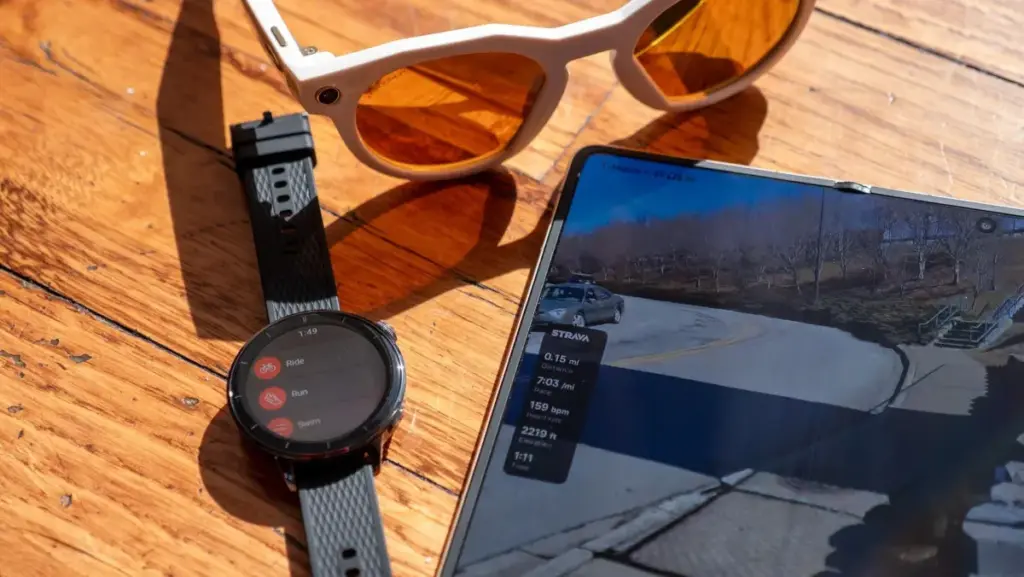
A New Era for Digital Coaching
The integration with Google Gemini represents a shift in how fitness platforms view their role in an athlete’s life. By moving these insights into a generative AI interface, Strava is acknowledging that athletes often have questions that don’t fit into a standard dashboard. The ability to ask "Why did I feel tired today?" and receive an answer that considers three months of training load, the humidity of the morning, and the user’s heart rate variability marks a significant departure from the "quantified self" era of the early 2010s.
This move also places Strava in a more competitive position against other fitness giants that have integrated their own proprietary coaching algorithms. By partnering with Google, Strava gains access to one of the most powerful language models in the world, allowing it to focus on the quality of the fitness data while Gemini handles the natural language processing and contextual reasoning.
As the rollout continues, the focus for many users will be on how these insights translate into actual training adjustments. The promise of the Strava and Gemini partnership is not just in the reporting of what happened in the past, but in the guidance of what should happen next. Whether it is identifying a plateau in fitness or explaining the impact of a heatwave on a marathon training block, the collaboration aims to provide a "tailored" experience that feels more like a conversation with a coach than a session with a spreadsheet.
For the millions of athletes who use Strava to track their daily movement, the addition of Gemini’s analytical capabilities provides a new way to stay motivated and informed. As AI continues to evolve, the expectation is that these tools will become even more predictive, helping athletes avoid injury and optimize their performance with a level of precision that was once reserved for professional sports organizations. For now, the ability to simply ask "Am I getting better?" and receive a data-backed, conversational response is a major milestone in the democratization of sports science.
 Mobile Device Management (MDM) & Mobile OS
Samsung Expands U.S. Ecosystem with Official Launch of Galaxy SmartTag 3 and Open-Ear Galaxy Buds On
Samsung has officially bolstered its presence in the American wearables and accessories...
 Mobile Device Management (MDM) & Mobile OS
Instagram Pivots Toward Long-Form Widescreen Content with New ‘Features’ Initiative
In a move that signals a fundamental shift in its product philosophy,...
 Mobile Device Management (MDM) & Mobile OS
Google Refines the AI-Powered Smart Home with Major Gemini and Home App Update
Google has concluded the final week of October with a significant suite...







