

Beyond the immediate focus on policy and software, these threat actors frequently target the physical foundations of the AI industry. This includes industries involved in the production of semiconductors and the extraction of rare earth elements, both of which are essential to the hardware supply chain required to train and run large-scale AI models. By maintaining a presence across the entire spectrum of the industry—from the hardware and raw materials to the policy and high-level software development—these groups ensure a comprehensive understanding of the strategic landscape.
In light of these persistent threats, security researchers emphasize the need for advanced defensive measures. Standard multi-factor authentication, while useful against basic phishing, can be bypassed by the AitM and BitB techniques employed by TA419. Consequently, Proofpoint recommends that organizations at high risk of being targeted—such as think tanks and government-adjacent research groups—consider the implementation of phishing-resistant, origin-bound authentication methods, such as passkeys. These methods are designed to be resilient against the real-time interception tactics used in modern credential-harvesting campaigns.
For individual experts, the advice remains one of heightened vigilance. Analysts are encouraged to be extremely wary of unsolicited emails, even those that appear to come from known colleagues or respected figures in their field. Verifying the authenticity of collaborative proposals through secondary, trusted communication channels—such as a direct phone call or a separate messaging platform—is a critical step in preventing successful compromises.
The outlook for the AI policy community remains one of increased scrutiny. As AI continues to dominate the global security discourse, the individuals tasked with shaping its future will remain high-value targets for foreign intelligence services. Mark Kelly of Proofpoint assessed that TA419 will likely continue to refine its tactics, maintaining its focus on the intersection of technology and policy. The group is expected to continue spoofing the identities of subject-matter experts to exploit the trust-based networks that define the international research and policy community. As the stakes of the AI race continue to rise, the digital defenses protecting the architects of AI policy will need to evolve just as rapidly as the technologies they seek to govern.
 Helpdesk & IT Service Management (ITSM)
Bridging the Divide: Report Finds Significant Visibility and Governance Gaps in Federal AI Readiness
As federal and defense agencies accelerate their adoption of artificial intelligence, a...
 Helpdesk & IT Service Management (ITSM)
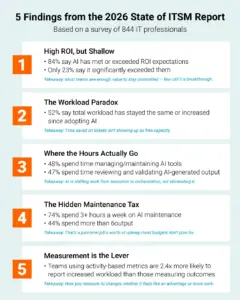
The Hidden Complexity of Efficiency: SolarWinds Report Reveals the Dual Nature of AI in the Modern Service Desk
The promise of artificial intelligence within Information Technology Service Management (ITSM) has...
 Helpdesk & IT Service Management (ITSM)
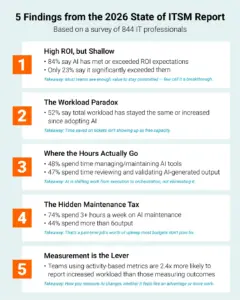
The Paradox of Efficiency: SolarWinds 2026 Report Highlights the Growing Pains of AI Integration in ITSM
The promise of artificial intelligence within the IT Service Management (ITSM) sector...







