

To execute this, TA419 utilized a customized version of "Frameless BitB," an open-source tool based on the Browser-in-the-Browser (BitB) technique. This method creates a deceptive browser window within a legitimate-looking webpage. In this campaign, the attackers presented a counterfeit Microsoft login pop-up, meticulously designed to mirror the authentic interface, which was placed over a page mimicking a OneDrive document-sharing site. Because the fake window appears to be a separate, legitimate browser instance, it can be extremely difficult for even tech-savvy users to distinguish from a genuine authentication prompt.
The technical infrastructure behind this operation allowed the attackers to relay login attempts to genuine Microsoft infrastructure. This real-time relaying is a critical component of the AitM strategy, as it permits the harvesting of not just Microsoft 365 passwords, but also multi-factor authentication (MFA) codes and session cookies. By capturing session cookies, the threat actor can effectively bypass the need for subsequent authentication, maintaining persistent access to the victim’s account even if the password is later changed. To further obscure their activities, the group utilized Cloudflare’s content delivery network to mask the backend hosting IP addresses for their domains, most of which were registered through NameSilo.
TA419 is not a newcomer to the landscape of international cyber espionage. The group has established a consistent track record of targeting sectors vital to national security and economic competitiveness, particularly within the United States and Japan. Since at least early 2025, they have focused their efforts on defense contractors, energy sectors, and international relations experts. Mark Kelly, a threat intelligence analyst at Proofpoint, noted that the targeting of AI policy experts is a logical progression of the group’s existing remit. According to Kelly, the group’s interests have always centered on defense, foreign policy, and critical technologies, and as AI becomes more central to these fields, it naturally becomes a primary target for intelligence gathering.
The strategic motivations behind this campaign are deeply rooted in the broader geopolitical competition between the United States and China. As nations grapple with the rapid advancement of generative AI and its implications for warfare, economic stability, and social governance, the policies governing these technologies have become as valuable as the technologies themselves. By targeting policy experts, TA419 appears to be seeking advance knowledge of U.S. and allied positions on AI regulation, export controls, and strategic investment. Such intelligence provides the Chinese government with a clearer picture of the regulatory hurdles and strategic priorities of its competitors, allowing for more informed decision-making in its own technological and diplomatic maneuvers.
This is not the first time China-aligned actors have been observed focusing on the AI sector. Two years ago, Proofpoint identified a similar campaign conducted by a group known as UNK_SweetSpecter. That operation utilized the SugarGh0st Remote Access Trojan (RAT) to target Western organizations involved in generative AI development. The targets of that earlier campaign included individuals within government entities, academic research groups, and high-profile private AI firms, such as OpenAI. The continuity between these past operations and the current activities of TA419 suggests a long-term, coordinated effort by Chinese intelligence to monitor and influence the global AI ecosystem.
 Helpdesk & IT Service Management (ITSM)
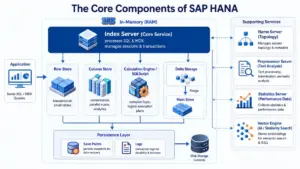
Decoding the Architecture of SAP HANA: A Deep Dive Into the Engine of Modern Enterprise Data
In the rapidly evolving landscape of enterprise resource planning and data management,...
 Helpdesk & IT Service Management (ITSM)
Weaponized Advertising: How an Israeli Firm Exploited the Global Ad Ecosystem to Deliver Zero-Click Spyware
In a discovery that underscores the profound vulnerabilities within the global digital...
 Helpdesk & IT Service Management (ITSM)
The Trillion-Dollar ROI Challenge: Why AI Infrastructure Spending Must Spark a Global Innovation Revolution
As the global technology sector pivots toward an era defined by generative...







