

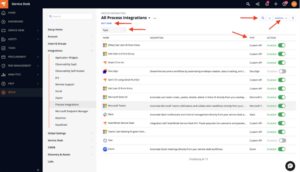
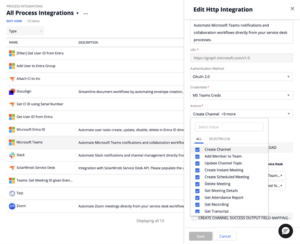
The Labs status indicates that while the feature is functional and ready for deployment, it is in an early-access phase where user feedback will directly influence its final iteration. This integration is not merely a notification bridge; it is a functional extension of the Service Desk workflow. It allows IT teams to trigger specific Microsoft Teams actions directly from within a Service Desk ticket or automated workflow.
The practical applications for this are broad. For instance, in the event of a major incident, an admin can configure the system to automatically create a dedicated Teams "war room" channel and add the relevant subject matter experts as members. This eliminates the manual overhead of setting up communication channels during high-pressure outages.
Furthermore, the integration supports meeting management. Admins can schedule meetings, retrieve specific meeting details, and—perhaps most impressively—sync attendance records, recordings, and transcripts back into the Service Desk ticket. This ensures that the context of a live troubleshooting session is preserved within the system of record, providing an invaluable resource for post-incident reviews and knowledge base creation. By pulling transcripts directly into tickets, SolarWinds is helping teams bridge the gap between spoken collaboration and documented history.
Make Asset Check-out and Check-in Easier to Manage
Effective hardware asset management remains a cornerstone of IT operations, particularly as organizations manage the lifecycle of laptops, mobile devices, and peripherals across various locations. The latest update to the Asset Check-out and Check-in feature, also currently in Labs, focuses on improving visibility and accountability.
The core of this update is a new, highly granular filtering system. IT asset managers can now sort and search through checkout details based on a wide array of criteria, including the checkout date, the specific individual the asset is assigned to, the current status of the asset, its physical condition, and the expected return date. This level of detail is critical for maintaining an accurate inventory and ensuring that assets are not lost or forgotten in the field.
To further tighten the loop on asset recovery, SolarWinds has introduced a checkout history table and a customizable notification system. These notifications are designed to be proactive rather than reactive. Admins can define exactly when a user should receive a reminder that an asset is due for return. If an asset becomes overdue, the system can be configured to send recurring messages at specified intervals.
In a move to increase organizational accountability, these notifications can also be configured to include the user’s manager. For the IT team itself, the system now supports scheduled summary emails—delivered daily, weekly, or monthly—that highlight which assets are coming due and which are currently overdue. This automated oversight allows IT departments to manage by exception, focusing their energy on high-risk assets rather than manually auditing the entire inventory.
Build Index Views Around the Work That Matters Most
 Helpdesk & IT Service Management (ITSM)
The Evolution of Service Delivery: Understanding the Strategic Shift Toward Enterprise Service Management
In the modern corporate landscape, the efficiency of an organization is often...
 Helpdesk & IT Service Management (ITSM)
Overe Appoints Former Sophos CSO Simon Reed as Strategic Advisor to Accelerate MSP Security Growth
In a significant move aimed at strengthening its leadership and deepening its...
 Helpdesk & IT Service Management (ITSM)
IPhone 18 Pro Review: A Refined Powerhouse Redefining the Professional Flagship
While the tech industry’s collective gaze has recently been fixed on the...







