
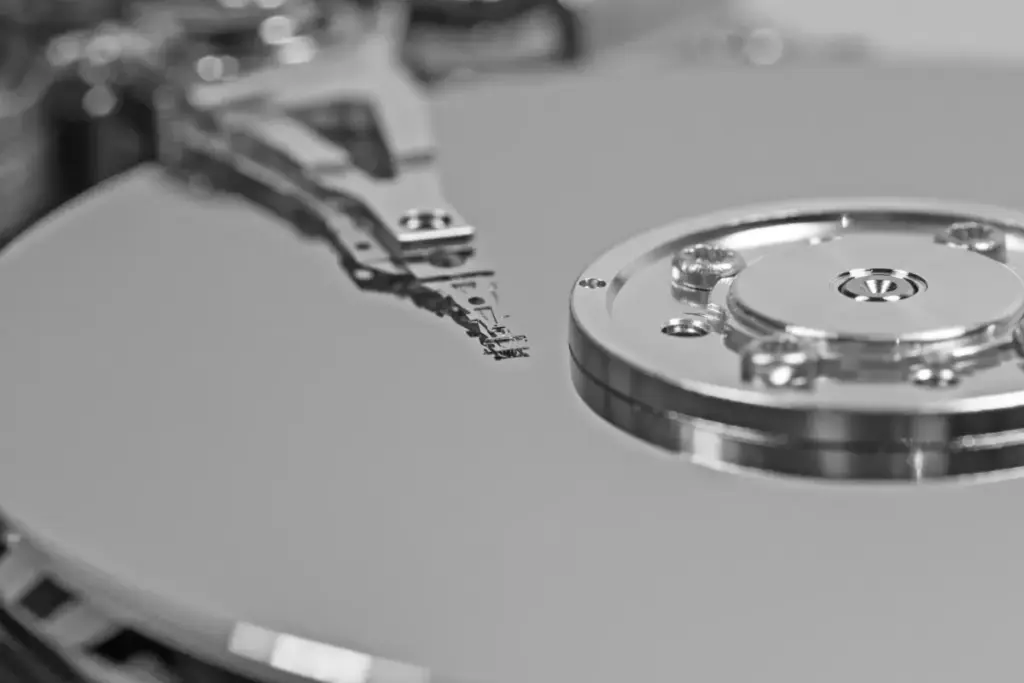
Seagate’s concern, as reported by Bloomberg, is that any disruption in the supply of magnetic heads could cripple its ability to meet the burgeoning demand from these AI-driven data centers. In an environment where every gigabyte of storage is spoken for, losing access to TDK’s supplemental capacity could mean losing billions in potential revenue and ceding market share to Western Digital.
For Toshiba, the stakes are even higher. Some analysts suggest that if Seagate were to successfully capture the TDK unit, it could effectively knock Toshiba out of the hard disk market altogether. Without TDK as a supplier, and without the billions of dollars in capital required to build its own magnetic head fabrication plants from scratch, Toshiba would find itself unable to produce the high-capacity drives that the modern market demands. This would leave the world with just two hard drive manufacturers, a level of consolidation that could draw the attention of international antitrust regulators, given the critical nature of storage technology in the global economy.
While Seagate and Toshiba battle over the TDK unit, Western Digital has remained on the sidelines of this specific bidding war. This is largely because Western Digital, like Seagate, already possesses robust internal manufacturing capabilities for its magnetic heads. However, Western Digital is far from idle. Rather than focusing on acquisition-led growth in the component space, the company has doubled down on internal technological innovation to maintain its competitive edge.
In February, Western Digital unveiled two significant technological advancements designed to push the boundaries of what traditional hard drives can achieve in terms of speed and efficiency. The company announced its high bandwidth drive technology (HBDT) and dual pivot technology (DPT). These innovations are aimed at addressing one of the long-standing bottlenecks of HDD technology: throughput.
According to Western Digital, HBDT is a breakthrough that allows for simultaneous reading and writing operations from multiple heads across multiple tracks. Historically, a hard drive head could only interact with one track at a time. By enabling a multi-stream approach, HBDT can theoretically deliver up to twice the bandwidth of conventional hard drives. This is particularly relevant for data center environments where the speed at which data can be ingested and retrieved is just as important as the total capacity of the drive.
 Small Business IT & Cloud Computing
AI-Driven Cyberattacks Target Online Retailers at a Cost of Just $25 Per Breach
The landscape of cybersecurity is undergoing a fundamental shift as the barrier...
 Small Business IT & Cloud Computing
WordPress Issues Emergency Patch for Critical RCE Vulnerability as Attackers Strike Within Hours of Disclosure
The global cybersecurity community is on high alert following the release of...
 Small Business IT & Cloud Computing
Maximizing Mobile Productivity: The Hidden Architecture of Google Messages on Android
In the modern mobile landscape, the smartphone has transitioned from a simple...







