
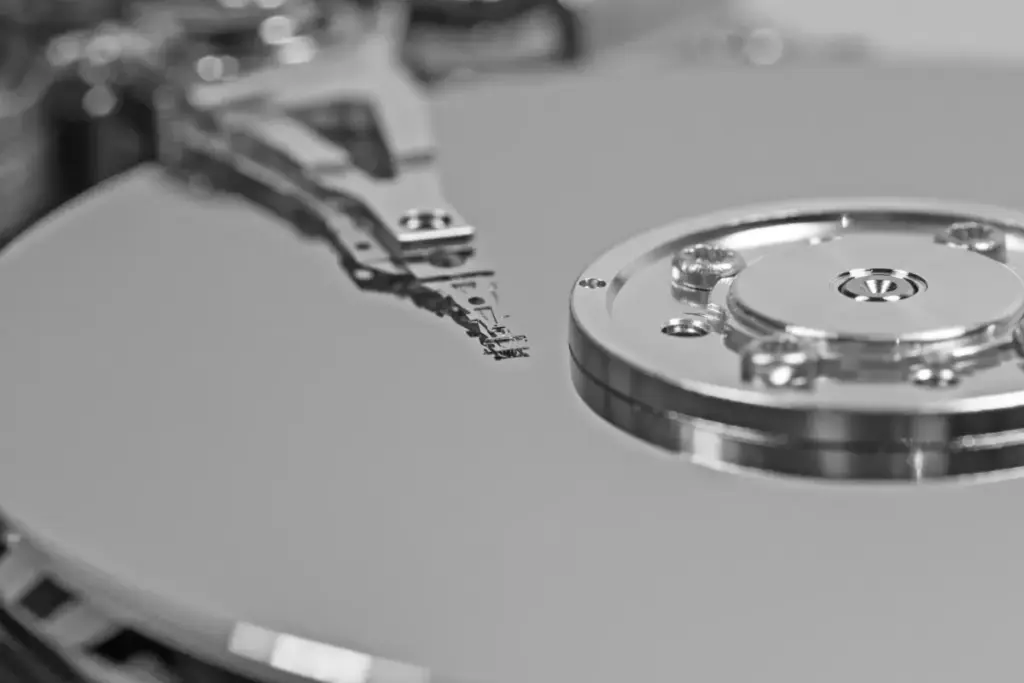
While Western Digital focuses on throughput, Seagate has been leading the charge in raw capacity. In July, Seagate reached a major milestone by launching a 3.5-inch hard disk with a staggering 30TB of capacity. This feat was made possible through the use of Heat-Assisted Magnetic Recording (HAMR) technology. HAMR uses a small laser to briefly heat the surface of the disk platter before data is written, allowing for much smaller magnetic grains and, consequently, a much higher density of data.
Seagate’s roadmap for HAMR does not stop at 30TB. The company has already signaled its intentions to release 32TB and 36TB models in the near future, with a long-term goal of reaching 50TB and beyond. The success of this roadmap, however, is tethered to the precision and availability of high-quality magnetic heads—the very components at the center of the TDK dispute. If Seagate can secure TDK’s assets, it not only protects its current production but also gains additional research and development facilities to refine its HAMR technology.
TDK, for its part, has remained silent regarding the ongoing negotiations. As a major electronics conglomerate with interests spanning from batteries to passive components, TDK must weigh the short-term financial gain of a sale against the long-term strategic value of its drive head business. The unit is a niche but highly specialized asset with high barriers to entry, making it an incredibly valuable piece of intellectual property in a world increasingly defined by data storage needs.
The outcome of this bidding war will likely dictate the structure of the storage industry for the next decade. If Toshiba succeeds, it secures its independence and ensures that three players remain in the market to compete on price and innovation. If Seagate succeeds, it solidifies its dominance and potentially forces a market exit for Toshiba, leaving Western Digital as its only remaining rival.
As the boom in AI data centers continues to ignite demand, the struggle for control over the underlying hardware becomes more intense. The battle for TDK is more than just a corporate acquisition; it is a fight for the future of the hard drive itself. Whether the industry remains a three-player game or shrinks to a duopoly depends on who wins the right to manufacture the microscopic heads that write the world’s data. For now, the industry waits for TDK’s next move, while the two giants of storage prepare for the next round of a high-stakes competition.
 Small Business IT & Cloud Computing
GhostCode: The Emerging Phishing Threat Exploiting Microsoft 365 Device Authorization Flows
In a significant escalation of identity-based cyberattacks, security researchers have uncovered a...
 Small Business IT & Cloud Computing
Micron Warns of Persistent Memory Shortage Through 2028 as Industry Braces for Protracted Price Hikes
The global semiconductor landscape is facing a prolonged period of volatility as...
 Small Business IT & Cloud Computing
Tech Manufacturing Faces Triple Threat of Surging Component Costs, Logistics Strain, and Global Sovereignty Shifts
The consumer electronics landscape is currently navigating a period of unprecedented volatility,...







