
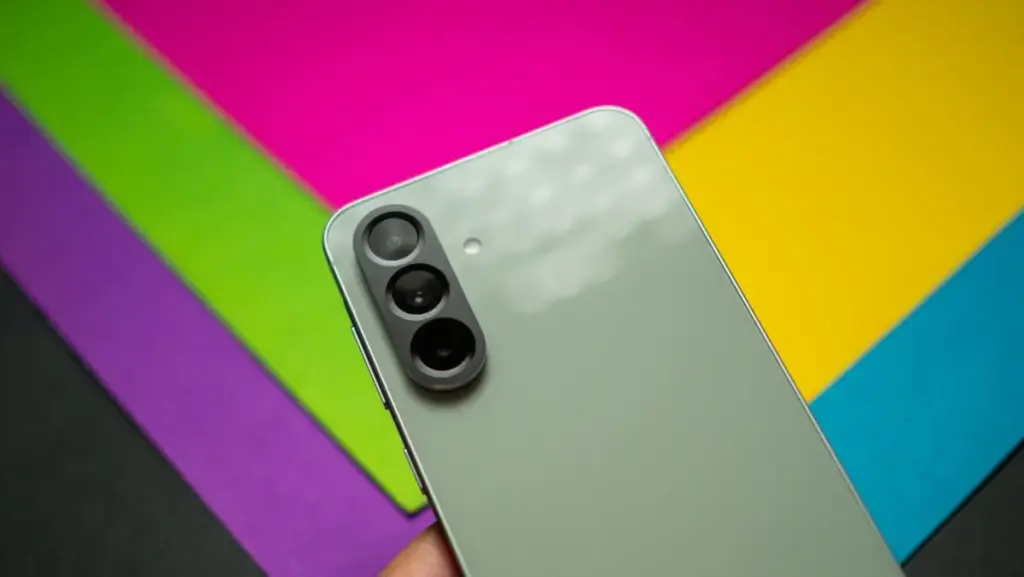
Samsung Electronics, the world’s largest smartphone manufacturer by volume, is reportedly preparing for a significant strategic pivot in its mobile division. According to recent industry reports coming out of South Korea, the tech giant is planning to scale back production of its more affordable Galaxy A series handsets. This move appears to be a direct response to the escalating costs of essential components, which have begun to erode the profit margins of the company’s budget and mid-range offerings.
As the global smartphone market faces a complex array of economic pressures, Samsung’s decision highlights a growing challenge for manufacturers: the difficulty of maintaining profitability in the high-volume, low-margin segment of the market. While the Galaxy A series has long been the engine behind Samsung’s massive shipment numbers, the current climate of soaring semiconductor prices is forcing the company to prioritize its more lucrative flagship devices.
What you need to know
The reported shift in production strategy suggests that Samsung is no longer willing to chase market share at the expense of its bottom line. According to a report from ETNews, the company is targeting a production cut of approximately 20% for its Galaxy A series in the fourth quarter of the year. This reduction could result in millions fewer units being manufactured than originally projected, marking a sharp departure from the company’s earlier aggressive growth targets.
The adjustments are not limited to the immediate future. Component orders have reportedly been revised downward compared to Samsung’s original 2026 production roadmap. This long-term adjustment suggests that the company anticipates a reduction of about 10 million units annually, with further production cuts of more than 10% being considered for 2027. By tightening the supply of its entry-level and mid-range devices, Samsung appears to be freeing up vital resources and manufacturing capacity for its high-end Galaxy S and Galaxy Z series.
While Samsung has yet to officially confirm these strategic changes, the implications for the broader mobile industry are significant. Industry analysts suggest that this move represents a calculated risk, as the company attempts to navigate a landscape where the cost of building a smartphone is rising faster than the prices consumers are willing to pay for budget hardware.
The Financial Reality of Budget Smartphones
The decision to retreat from the budget sector, even partially, is a difficult one for Samsung. The Galaxy A series is the backbone of the company’s mobile business in terms of sheer volume, reportedly accounting for roughly 70% of all Samsung smartphone shipments. These devices are essential for maintaining Samsung’s lead in the ongoing battle with Apple for the title of the world’s top smartphone vendor.
However, the financial logic behind the move is becoming increasingly clear. The cost of producing a budget-friendly device has reached a tipping point. Unlike premium smartphones, which have high enough price tags to absorb fluctuations in material costs, budget and mid-range devices operate on razor-thin margins. When the price of a single component rises, it can quickly turn a profitable product into a financial liability.
The primary driver of this cost spike is the semiconductor industry, specifically the price of memory chips. Reports indicate that memory prices have skyrocketed in recent months, with DRAM and NAND flash components now accounting for more than half of the total production cost for some of Samsung’s more affordable models. In the past, memory was a manageable expense, but the global surge in demand for high-performance hardware—largely driven by the boom in artificial intelligence—has redirected supply and pushed prices to historic highs.
The Impact of the AI Boom on Mobile Components
The rise of artificial intelligence has had an unintended side effect on the consumer electronics supply chain. Manufacturers of essential components, including printed circuit boards (PCBs) and multilayer ceramic capacitors (MLCCs), are increasingly prioritizing the production of hardware destined for AI servers and high-end data centers. These components are far more lucrative than the ones used in entry-level smartphones, leading to a supply squeeze for the mobile industry.
Samsung, which is both a device manufacturer and a major semiconductor producer, is in a unique position to see these trends firsthand. Even with its internal supply chain, the mobile division must compete for resources. If the company can make a higher profit by selling a memory chip to an AI server client or by putting it into a $1,200 Galaxy S24 Ultra, there is little incentive to allocate that same chip to a $200 Galaxy A series phone that yields minimal profit.
By steering these scarce and expensive components toward its higher-margin devices, Samsung is choosing quality of earnings over quantity of shipments. The Galaxy S and Galaxy Z series offer significantly higher average selling prices (ASPs), allowing Samsung to maintain its research and development budgets and satisfy shareholders even if total unit sales decline.
A Lowered Production Target for 2026
The reported 20% cut in A-series production is part of a broader trend of cautious manufacturing at Samsung. Earlier rumors suggested that the company might reduce its overall smartphone output by as much as 20% to 30% in the final quarter of the year. If these reports hold true, Samsung’s total production for 2026 will fall well short of its original target of approximately 270 million units.
Missing a production target of this magnitude is a rare occurrence for Samsung, a company that has historically used its massive scale to dominate the market. However, the current economic environment—characterized by inflation, high interest rates, and cautious consumer spending—has changed the calculus. Selling 270 million phones is less impressive if a large portion of those sales results in "break-even" or negative margins.
This shift also reflects a cooling of the overall smartphone market. While premium devices continue to see steady demand from affluent consumers, the "value" segment is increasingly crowded. Samsung is facing intense pressure not just from Apple at the top, but from Chinese manufacturers like Xiaomi, Oppo, and Transsion in the budget space. These competitors often operate with different cost structures and are aggressive in their pursuit of market share in emerging regions.
What This Means for Consumers
For the average consumer, Samsung’s strategic shift could manifest in several ways. The most immediate concern is the potential for higher launch prices. If the cost of components remains high, Samsung may be forced to pass those costs on to the buyer. An industry source cited by ETNews cautioned that future Galaxy A series devices could see price hikes that move them out of the "budget" category entirely.
Alternatively, Samsung may choose to maintain current price points by making compromises in hardware. This could lead to future Galaxy A phones featuring reduced display quality, older camera sensors, or less capable processors. For a series that has built its reputation on offering "flagship-like" features at a fraction of the cost, such downgrades could diminish the brand’s appeal.
Furthermore, a reduction in production volume could lead to limited availability in certain markets. Samsung may choose to focus its remaining budget inventory on regions where it has the strongest foothold, potentially leaving consumers in other areas with fewer choices or longer wait times for new models.
Navigating the Competitive Landscape
The bigger question facing Samsung is whether it can successfully defend its profit margins without ceding too much ground to its rivals. In price-sensitive markets like India, Southeast Asia, and parts of Latin America, the Galaxy A series is the primary way consumers enter the Samsung ecosystem. If these customers are priced out or turned off by reduced specs, they may migrate to Chinese brands that are willing to operate on lower margins to gain a foothold.
At the same time, Apple continues to exert pressure at the high end of the market. With the iPhone increasingly seen as a status symbol and a reliable long-term investment, Samsung must ensure that its Galaxy S and Galaxy Z devices remain technologically superior and highly desirable. The resources saved from the A-series production cuts will likely be funneled into these premium lines to ensure they can compete with Apple’s next generation of devices.
Samsung’s mobile business is currently at a crossroads. The company is attempting to transition from a volume-led strategy to a value-led strategy in a market that is more volatile than ever. By prioritizing profitability and high-end innovation over the sheer number of units shipped, Samsung is betting that its brand strength and premium hardware can sustain it through a period of rising costs and shifting consumer habits.
As the industry moves into 2027, the results of this pivot will become clearer. If Samsung can maintain its lead in the foldable market and continue to grow its share of the premium segment, the decision to scale back the Galaxy A series may be seen as a masterstroke of corporate agility. However, if the vacuum left by the A series is filled by aggressive competitors, Samsung may find that regaining lost market share is far more expensive than maintaining it was in the first place. For now, the company remains focused on navigating the immediate challenge of soaring component prices while keeping its sights set on the lucrative future of AI-integrated mobile technology.
 Mobile Device Management (MDM) & Mobile OS
Samsung Reportedly Shifting Strategy for Galaxy S27 Series with New ‘Pro’ Model and Premium-Heavy Production Goals
As the global smartphone market continues to gravitate toward high-end, feature-rich devices,...
 Mobile Device Management (MDM) & Mobile OS
Google Explores Enhanced Security for Chrome on Android with Biometric Password Reauthentication
The convenience of modern mobile browsing often rests on a delicate balance...
 Mobile Device Management (MDM) & Mobile OS
Google Extends Free Satellite SOS Access for Pixel 9 Users, Delaying the Looming Question of Subscription Costs
In a move that offers both immediate relief and long-term ambiguity for...







