

What This Means for Consumers
For the average consumer, Samsung’s strategic shift could manifest in several ways. The most immediate concern is the potential for higher launch prices. If the cost of components remains high, Samsung may be forced to pass those costs on to the buyer. An industry source cited by ETNews cautioned that future Galaxy A series devices could see price hikes that move them out of the "budget" category entirely.
Alternatively, Samsung may choose to maintain current price points by making compromises in hardware. This could lead to future Galaxy A phones featuring reduced display quality, older camera sensors, or less capable processors. For a series that has built its reputation on offering "flagship-like" features at a fraction of the cost, such downgrades could diminish the brand’s appeal.
Furthermore, a reduction in production volume could lead to limited availability in certain markets. Samsung may choose to focus its remaining budget inventory on regions where it has the strongest foothold, potentially leaving consumers in other areas with fewer choices or longer wait times for new models.
Navigating the Competitive Landscape
The bigger question facing Samsung is whether it can successfully defend its profit margins without ceding too much ground to its rivals. In price-sensitive markets like India, Southeast Asia, and parts of Latin America, the Galaxy A series is the primary way consumers enter the Samsung ecosystem. If these customers are priced out or turned off by reduced specs, they may migrate to Chinese brands that are willing to operate on lower margins to gain a foothold.
At the same time, Apple continues to exert pressure at the high end of the market. With the iPhone increasingly seen as a status symbol and a reliable long-term investment, Samsung must ensure that its Galaxy S and Galaxy Z devices remain technologically superior and highly desirable. The resources saved from the A-series production cuts will likely be funneled into these premium lines to ensure they can compete with Apple’s next generation of devices.
Samsung’s mobile business is currently at a crossroads. The company is attempting to transition from a volume-led strategy to a value-led strategy in a market that is more volatile than ever. By prioritizing profitability and high-end innovation over the sheer number of units shipped, Samsung is betting that its brand strength and premium hardware can sustain it through a period of rising costs and shifting consumer habits.
As the industry moves into 2027, the results of this pivot will become clearer. If Samsung can maintain its lead in the foldable market and continue to grow its share of the premium segment, the decision to scale back the Galaxy A series may be seen as a masterstroke of corporate agility. However, if the vacuum left by the A series is filled by aggressive competitors, Samsung may find that regaining lost market share is far more expensive than maintaining it was in the first place. For now, the company remains focused on navigating the immediate challenge of soaring component prices while keeping its sights set on the lucrative future of AI-integrated mobile technology.
 Mobile Device Management (MDM) & Mobile OS
Amazon Rebrands Kindle Unlimited to Kindle Plus, Integrating AI-Narrated Audiobooks into Expanded Subscription
In a significant move to modernize its digital reading ecosystem, Amazon has...
 Mobile Device Management (MDM) & Mobile OS
OnePlus Outlines Comprehensive Android 17 Rollout Schedule as OxygenOS Transitions to ColorOS
The landscape of the OnePlus software experience is undergoing its most significant...
 Mobile Device Management (MDM) & Mobile OS
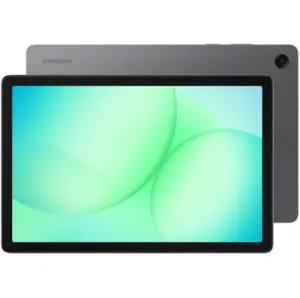
Samsung Galaxy Tab A11+ Sees Significant Price Cut as Amazon Offers Mid-Range Tablet for Under $200
Samsung has long maintained a dominant position in the global technology landscape,...







