
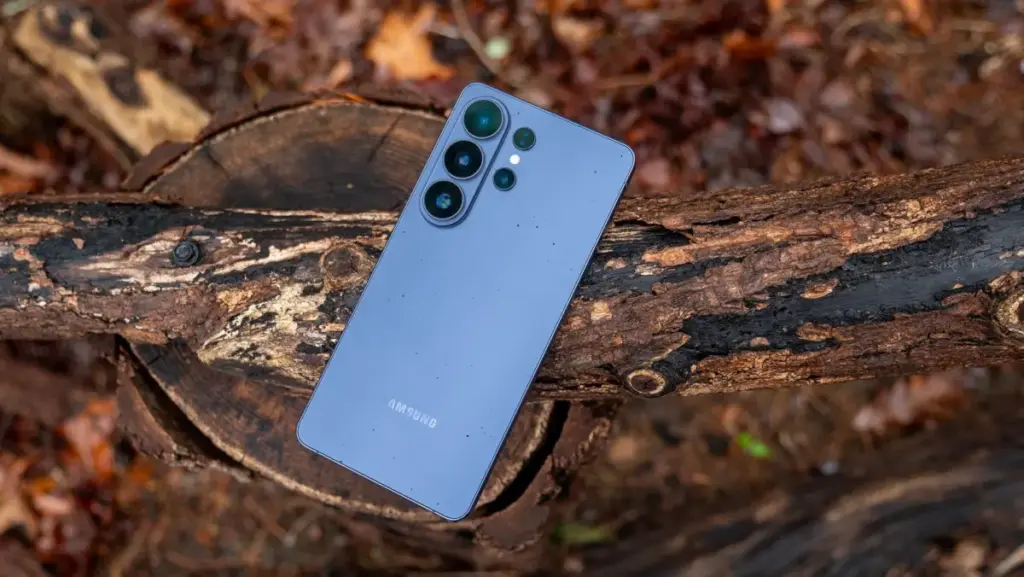
However, Samsung is reportedly maintaining a clear distinction between the Pro and the Ultra to prevent total cannibalization of its most expensive phone. The Galaxy S27 Pro is expected to lack the integrated S Pen, which will remain an exclusive hallmark of the Ultra model. By omitting the stylus, Samsung can keep the Pro’s internal footprint smaller and its price point slightly lower, while still offering the superior camera systems and display technologies that define the "Pro" and "Ultra" designations.
Learning from the Success of the Ultra
Samsung’s decision to double down on its most expensive models is rooted in historical sales data. For the past several generations, the Ultra model has consistently outperformed the standard and Plus variants in terms of sales volume and revenue generation. In the current Galaxy S26 cycle, the Ultra model alone accounted for roughly 50% of the entire series’ production.
By adding a Pro model to the mix, Samsung is essentially betting that there is an untapped market of consumers who want more than what the Plus model offers but aren’t necessarily looking for the "everything-and-the-kitchen-sink" approach of the Ultra. If the Galaxy S27 Pro can successfully capture 7 to 8 million buyers, it will effectively shift the average selling price (ASP) of the Galaxy S series upward, significantly boosting Samsung’s mobile division margins.
This strategy also aligns with broader industry trends. Apple has seen immense success by focusing on its Pro and Pro Max models, which often face the highest demand and longest wait times during launch windows. Similarly, Google has expanded its Pixel lineup to include multiple "Pro" sizes. Samsung’s move to a four-model lineup suggests that the "one-size-fits-all" flagship era is over, replaced by a highly segmented approach designed to meet very specific consumer needs.
Market Dynamics and Competition
The timing of this strategic shift is critical. Samsung is currently locked in a fierce battle for the premium segment, not just with Apple, but also with increasingly sophisticated offerings from Chinese manufacturers. Furthermore, Samsung’s own foldable lineup has begun to influence its traditional slab-phone strategy. The Galaxy Z Fold 8, for instance, has reportedly seen strong sales performance, proving that consumers are willing to spend upwards of $1,800 for devices that offer unique utility.
By strengthening the top end of the Galaxy S series, Samsung is creating a more cohesive "Ultra-Premium" portfolio that spans both traditional and foldable designs. The goal is to create a "halo effect" where the prestige of the Ultra and Pro models elevates the entire brand, making Samsung the default choice for anyone looking for a high-end Android experience.
 Mobile Device Management (MDM) & Mobile OS
Oppo Reno 17 Series Leaks Reveal Massive Battery Upgrades and Surprising Display Sizes Ahead of Official Launch
Oppo is preparing to refresh its popular mid-range lineup once again, with...
 Mobile Device Management (MDM) & Mobile OS
Seattle-Based Startup Tin Can Brings Screen-Free “Mobile Landlines” to UK Youth to Foster Safer Communication
In an era where the digital landscape is increasingly dominated by complex...
 Mobile Device Management (MDM) & Mobile OS
YouTube Premium Reportedly Eyes Audiobook Expansion as Google Seeks to Rival Spotify and Audible
The digital streaming landscape is on the verge of another significant shift...







