
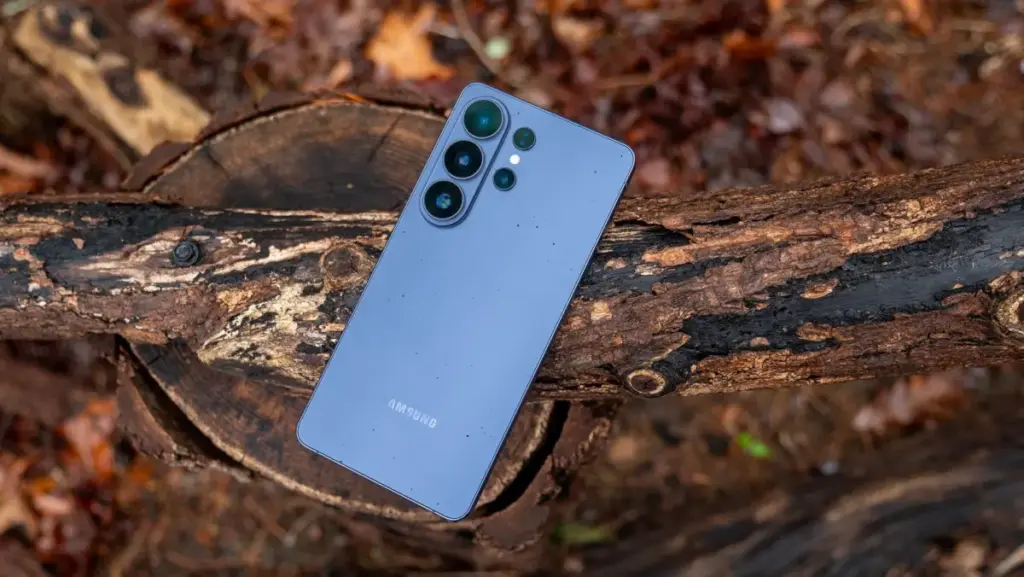
As the global smartphone market continues to gravitate toward high-end, feature-rich devices, Samsung appears to be preparing a significant overhaul of its flagship strategy for the coming years. Recent reports surrounding the Galaxy S27 series, expected to debut in early 2027, suggest that the South Korean tech giant is not only expanding its lineup but also aggressively pivoting its manufacturing resources toward its most expensive models. In a move that mirrors the successful market segmentation seen by its primary competitors, Samsung is reportedly planning to introduce a fourth member to its flagship family: the Galaxy S27 Pro.
The introduction of a "Pro" variant marks a departure from the three-model structure Samsung has maintained since the Galaxy S20 series. According to emerging industry leaks and supply chain reports, the Galaxy S27 series will consist of the standard Galaxy S27, the Galaxy S27 Plus, the all-new Galaxy S27 Pro, and the top-tier Galaxy S27 Ultra. This expansion is more than just a naming exercise; it represents a fundamental shift in how Samsung intends to capture the "premium" segment of the market, which has proven to be the most resilient and profitable in recent years.
High Expectations for the Premium Tier
The most striking revelation regarding the upcoming series involves Samsung’s production targets. According to reports from ET News, Samsung is planning to allocate more than 70% of its total Galaxy S27 production capacity to the two highest-end models: the Galaxy S27 Pro and the Galaxy S27 Ultra. This strategic concentration indicates a high level of confidence in the consumer’s willingness to pay for premium experiences, even as the global economy faces various headwinds.
Internal targets reportedly suggest a total production run of approximately 35 million units for the entire Galaxy S27 lineup. Within that total, the Galaxy S27 Ultra is expected to remain the undisputed volume leader of the flagship group, with Samsung aiming to produce roughly 18 million units. This figure is consistent with the production levels seen for the Galaxy S26 Ultra, which also accounted for about half of its respective series’ production. However, the real story lies in the remaining 50% of the production pie.
The new Galaxy S27 Pro is slated for a production run of 7 to 8 million units. When combined with the Ultra’s 18 million units, the two premium-tier devices will account for 25 to 26 million units of the total 35 million unit goal. This leaves the standard Galaxy S27 and the Galaxy S27 Plus with a combined production target of just 9 to 10 million units. For long-time observers of the brand, this is a clear signal that Samsung views the base and Plus models as secondary players in its broader ecosystem, serving as entry points rather than the primary drivers of growth.
The Role of the Galaxy S27 Pro
The decision to introduce a "Pro" model appears to be a calculated effort to bridge the gap between the Galaxy S27 Plus and the Galaxy S27 Ultra. Historically, the "Plus" model has often struggled to find its identity, caught between the portability of the standard model and the technological prowess of the Ultra. By introducing a Pro variant, Samsung aims to offer "Ultra-level" features in a form factor that may be more appealing to those who find the Ultra too bulky or the price tag too steep.
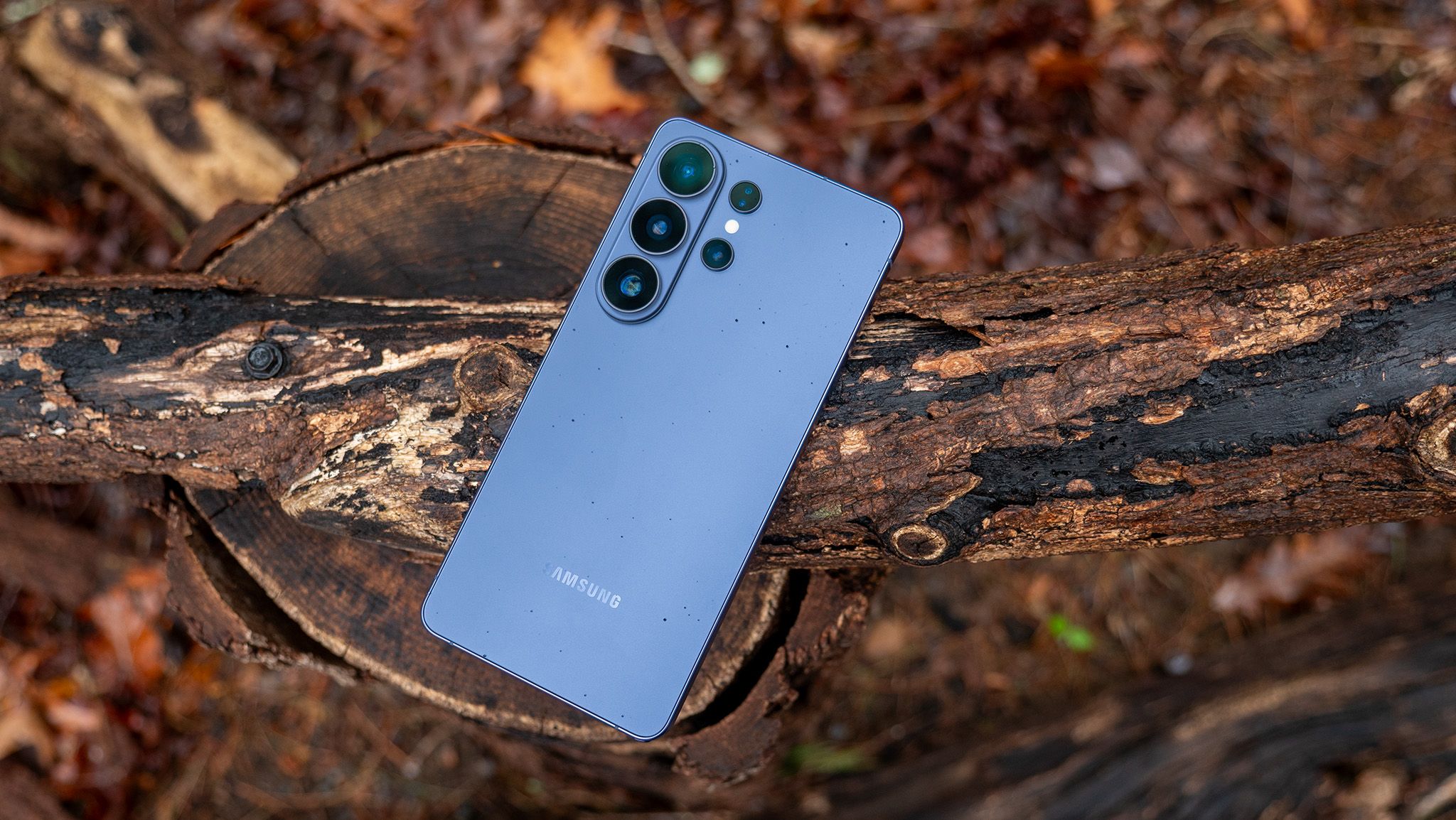
Early leaks suggest that the Galaxy S27 Pro will focus on delivering high-end specifications in a more compact design. One of the standout features rumored for the Pro is the inclusion of the "Privacy Display," a technology that has previously been associated with the Ultra line. This feature is designed to limit viewing angles, ensuring that sensitive information on the screen remains visible only to the user—a major selling point for corporate users and privacy-conscious consumers.
However, Samsung is reportedly maintaining a clear distinction between the Pro and the Ultra to prevent total cannibalization of its most expensive phone. The Galaxy S27 Pro is expected to lack the integrated S Pen, which will remain an exclusive hallmark of the Ultra model. By omitting the stylus, Samsung can keep the Pro’s internal footprint smaller and its price point slightly lower, while still offering the superior camera systems and display technologies that define the "Pro" and "Ultra" designations.
Learning from the Success of the Ultra
Samsung’s decision to double down on its most expensive models is rooted in historical sales data. For the past several generations, the Ultra model has consistently outperformed the standard and Plus variants in terms of sales volume and revenue generation. In the current Galaxy S26 cycle, the Ultra model alone accounted for roughly 50% of the entire series’ production.
By adding a Pro model to the mix, Samsung is essentially betting that there is an untapped market of consumers who want more than what the Plus model offers but aren’t necessarily looking for the "everything-and-the-kitchen-sink" approach of the Ultra. If the Galaxy S27 Pro can successfully capture 7 to 8 million buyers, it will effectively shift the average selling price (ASP) of the Galaxy S series upward, significantly boosting Samsung’s mobile division margins.
This strategy also aligns with broader industry trends. Apple has seen immense success by focusing on its Pro and Pro Max models, which often face the highest demand and longest wait times during launch windows. Similarly, Google has expanded its Pixel lineup to include multiple "Pro" sizes. Samsung’s move to a four-model lineup suggests that the "one-size-fits-all" flagship era is over, replaced by a highly segmented approach designed to meet very specific consumer needs.
Market Dynamics and Competition
The timing of this strategic shift is critical. Samsung is currently locked in a fierce battle for the premium segment, not just with Apple, but also with increasingly sophisticated offerings from Chinese manufacturers. Furthermore, Samsung’s own foldable lineup has begun to influence its traditional slab-phone strategy. The Galaxy Z Fold 8, for instance, has reportedly seen strong sales performance, proving that consumers are willing to spend upwards of $1,800 for devices that offer unique utility.
By strengthening the top end of the Galaxy S series, Samsung is creating a more cohesive "Ultra-Premium" portfolio that spans both traditional and foldable designs. The goal is to create a "halo effect" where the prestige of the Ultra and Pro models elevates the entire brand, making Samsung the default choice for anyone looking for a high-end Android experience.
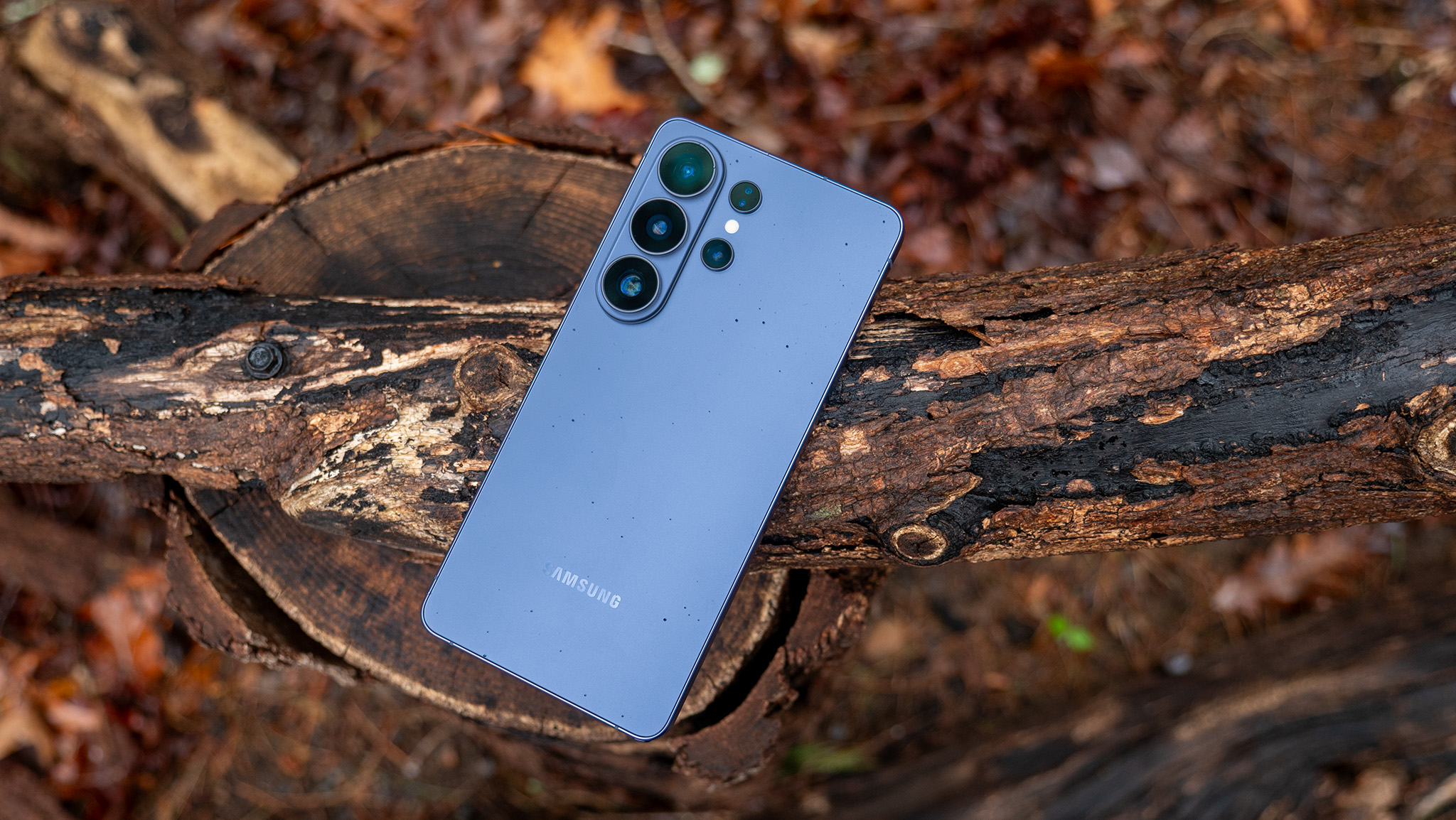
The reported production targets for the standard Galaxy S27 and S27 Plus—just 9 to 10 million units combined—suggest that Samsung expects these models to face the stiffest competition. These devices often compete directly with "flagship killers" and upper-mid-range phones that offer similar performance at lower prices. By focusing its marketing and production energy on the Pro and Ultra, Samsung is retreating from the price-sensitive middle ground and digging in its heels where it has the most brand equity.
Technical Considerations and Manufacturing
Shifting 70% of production to the Pro and Ultra models involves significant logistical planning. These higher-end devices typically require more complex components, including advanced periscope zoom lenses, high-brightness LTPO displays, and specialized titanium frames. By committing to these numbers early, Samsung can secure the necessary supply chain capacity and negotiate better pricing for these premium components.
The "Privacy Display" mentioned in early leaks is a prime example of the kind of hardware differentiation Samsung is banking on. As mobile security becomes a higher priority for users, proprietary hardware features that enhance privacy can serve as a powerful differentiator against competitors who rely solely on software-based solutions. Integrating such technology into both the Pro and Ultra models allows Samsung to scale the production of these specialized panels, potentially bringing down the cost over time.
A Fluid Strategy
While these production plans offer a fascinating glimpse into Samsung’s internal roadmap, they are not set in stone. The mobile industry is notoriously volatile, and Samsung is known for adjusting its targets based on real-time market feedback and component availability. The official unveiling of the Galaxy S27 series is still a significant distance away, and much could change regarding the final specifications and market positioning.
However, the current trajectory is clear: Samsung is no longer content with simply being a volume leader in the smartphone market. It is hungry for the "premium" crown. By diversifying its high-end offerings and prioritizing the production of its most advanced hardware, the company is preparing for a future where the "flagship" is defined not by the base model, but by the Pro and Ultra experiences that sit at the top of the pyramid.
As the industry moves toward 2027, all eyes will be on whether the Galaxy S27 Pro can carve out a meaningful niche for itself. If Samsung’s gamble pays off, it could redefine the structure of the Galaxy S lineup for years to come, solidifying a four-model strategy that prioritizes luxury and high-end performance over mass-market appeal. For now, the reported 35-million-unit target serves as a bold statement of intent from a company that remains determined to lead the Android ecosystem through innovation and aggressive market segmentation.
 Mobile Device Management (MDM) & Mobile OS
Xiaomi 18 Fold Review: A Masterclass in Hardware Engineering Shackled by Software Borders
The trajectory of the foldable smartphone market has, for several years, been...
 Mobile Device Management (MDM) & Mobile OS
Amazon Rebrands Kindle Unlimited to Kindle Plus, Integrating AI-Narrated Audiobooks into the Subscription Ecosystem
In a significant move to modernize its digital reading ecosystem and streamline...
 Mobile Device Management (MDM) & Mobile OS
YouTube Explores Expansion into Audiobooks to Bolster Premium Subscription Value
The digital landscape is witnessing a significant shift as platform giants increasingly...







