As the calendar turns toward the final months of the year, the technology industry has shifted its collective gaze toward the first quarter of the upcoming year, a period traditionally dominated by Samsung’s flagship announcements. The South Korean tech giant is expected to unveil its next-generation Galaxy S27 lineup in early 2025, and while anticipation is always high for the company’s premier handsets, new leaks suggest a significant restructuring of the portfolio. Among the most notable revelations is the emergence of a fourth model—the Galaxy S27 Pro—which appears poised to bridge the gap between the standard models and the top-tier Ultra. However, recent data suggests that this new "Pro" variant may face an unexpected compromise in processing power compared to its larger sibling.
According to a report first spotted by Notebookcheck, details regarding the internal specifications of the Galaxy S27 series have surfaced via the NBD import-export database. This database, which tracks the movement of components and prototypes across international borders, is often a reliable indicator of a manufacturer’s final hardware decisions. The listings explicitly mention four distinct devices: the Galaxy S27, the Galaxy S27 Plus, the Galaxy S27 Pro, and the Galaxy S27 Ultra. While the expansion of the lineup is news in itself, the specific chipsets assigned to each model have sparked a wave of discussion among industry analysts and enthusiasts alike.
For years, Samsung has maintained a tiered approach to its hardware, often varying the chipset based on the region or the specific model. The latest leak indicates that this trend will continue, albeit with a new twist. The base Galaxy S27 and the Galaxy S27 Plus are reportedly slated to utilize Samsung’s in-house Exynos 2700 chipset. This suggests that Samsung remains committed to its proprietary silicon for its high-volume models, likely leveraging its latest 2nm manufacturing process to close the performance gap that has historically existed between Exynos and Qualcomm’s offerings.
The real surprise, however, lies in the distribution of Qualcomm’s next-generation silicon. While the Galaxy S27 Ultra is expected to feature the most powerful version of Qualcomm’s upcoming hardware—the Snapdragon 8 Elite Extreme Gen 6—the Galaxy S27 Pro appears to be listed with the standard Snapdragon 8 Elite Gen 6. This distinction is subtle but significant, marking the first time Samsung might purposefully bifurcate the "Elite" tier of processors within a single flagship generation.
The Power Gap: Elite vs. Extreme
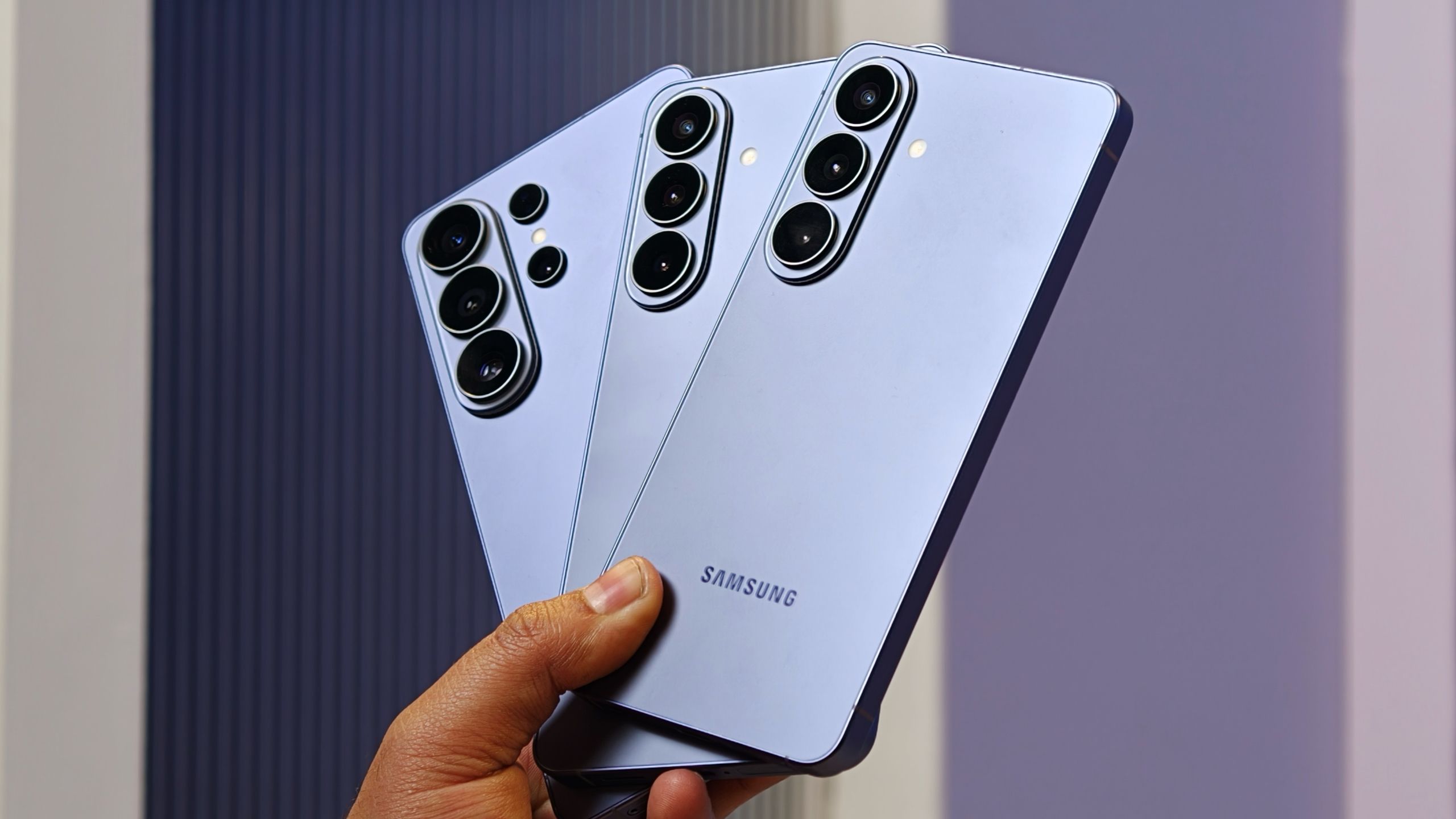
To understand the implications of this leak, one must look at Qualcomm’s recent roadmap for its flagship processors. When the company introduced the Snapdragon 8 Elite Gen 6 series, it signaled a shift toward even higher clock speeds and more aggressive performance profiles. The "Extreme" variant represents the pinnacle of mobile processing for the 2025 cycle, with reports suggesting it can achieve clock speeds of up to 5GHz. Such speeds would put the Galaxy S27 Ultra in a league of its own, potentially rivaling the raw single-core performance of desktop-class processors.
The decision to equip the Galaxy S27 Pro with the "regular" Snapdragon 8 Elite Gen 6—rather than the Extreme version—suggests a strategic cooling or positioning choice by Samsung. Both chips are expected to be built on a cutting-edge 2nm architecture, meaning the Pro model will still benefit from immense power efficiency and architectural improvements. However, by opting for the standard version, Samsung may be capping the peak performance of the Pro model to maintain a clear hierarchy between it and the Ultra.
The rationale behind this move likely involves the physical constraints of the hardware. The Galaxy S27 Pro is rumored to be a more compact alternative to the Ultra, designed for users who want premium features without the unwieldy size of a 6.9-inch device. Modern high-performance chipsets generate a tremendous amount of heat, particularly when pushed to clock speeds as high as 5GHz. In a smaller chassis, dissipating that heat becomes a significant engineering challenge. By utilizing a slightly lower-clocked version of the Snapdragon 8 Elite, Samsung may be prioritizing thermal stability and sustained performance over the headline-grabbing peak speeds of the Extreme variant.
A New Contender in the Lineup
The introduction of the Galaxy S27 Pro represents a significant shift in Samsung’s market strategy. For several generations, the Galaxy S lineup has consisted of three models: the base, the Plus, and the Ultra. This left a notable gap for consumers who desired the Ultra’s high-end camera systems and display technology but preferred a form factor closer to the base or Plus models.
The Galaxy S27 Pro is expected to fill this void. Leaks suggest it will feature a 6.5-inch display, placing it neatly between the 6.3-inch base model and the 6.7-inch Plus. More importantly, the Pro is expected to inherit several "Ultra" grade features. One such feature is the "Privacy Display," a technology designed to limit viewing angles to prevent onlookers from seeing the screen’s content—a tool particularly useful for business professionals and privacy-conscious users.
However, the Pro model will reportedly omit the S Pen, a staple of the Ultra line since the retirement of the Galaxy Note series. By removing the stylus and its internal housing, Samsung can dedicate more internal space to battery capacity and camera hardware while keeping the device’s footprint manageable. This positioning makes the S27 Pro a direct competitor to Apple’s iPhone "Pro" models, which offer a similar balance of high-end specs in a non-oversized body.
Design Language and Aesthetic Shifts
Beyond the internal specifications, the Galaxy S27 series is also rumored to undergo a visual transformation. Leaked renders of the lineup, particularly the Galaxy S27 Ultra, suggest that Samsung is moving away from the design language it has polished over the last three years. Since the Galaxy S22 Ultra, the company has favored a "floating camera" look, where individual lenses protrude directly from the back of the phone in a vertical arrangement.
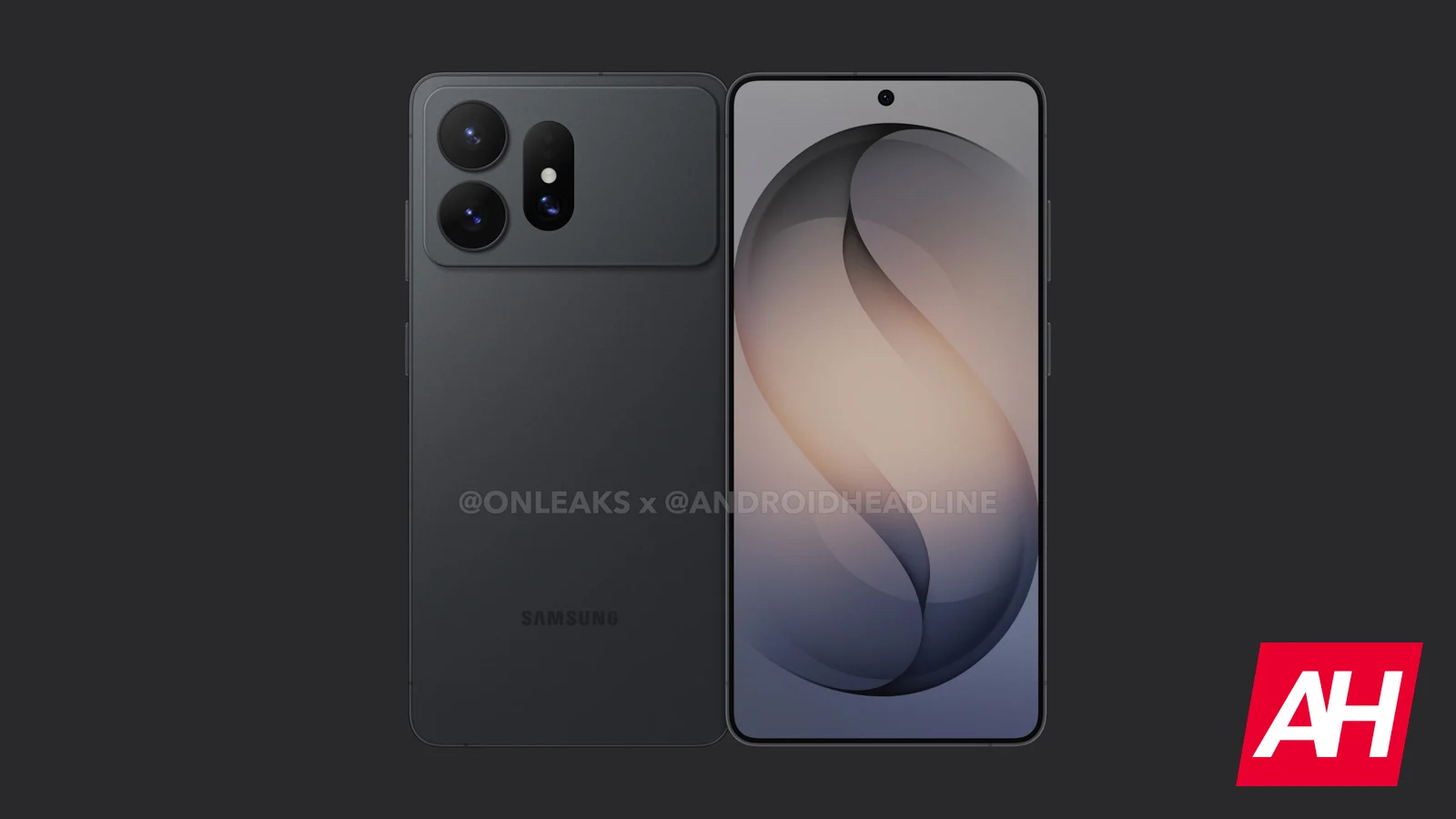
The upcoming flagship appears to be taking a different route. Renders indicate a move toward a horizontal camera plateau, a design choice that some critics have noted bears a resemblance to the layout seen on recent iPhone models. This "camera island" approach would consolidate the sensors into a single, raised section of the back panel. While this change may be polarizing for long-time fans of the Ultra’s minimalist aesthetic, it often allows for more sophisticated lens groupings and better protection for the glass elements of the camera system.
For the Galaxy S27 Pro, the design is expected to mirror this new direction, albeit with a slightly different sensor array than the Ultra. While the Ultra will likely retain its specialized periscope zoom lenses, the Pro is expected to offer a high-performance triple-camera setup that surpasses the capabilities of the base and Plus models, further justifying its "Pro" branding.
The Road to Q1 2025
The NBD database listings provide a compelling look at Samsung’s roadmap, but as with all pre-release information, the final products could see further adjustments. The mobile industry is currently in a state of flux as manufacturers transition to 2nm chipsets, and the yields and performance of these new nodes will ultimately dictate the final specifications of the Galaxy S27 family.
If the current leaks hold true, the Galaxy S27 series will represent one of the most diverse offerings in the history of the Galaxy S brand. The base S27 (6.3-inch) and S27 Plus (6.7-inch) will cater to the mainstream market with the Exynos 2700. The new Galaxy S27 Pro (6.5-inch) will offer a premium, Qualcomm-powered experience for those seeking a "handy" flagship. Finally, the Galaxy S27 Ultra (6.9-inch) will remain the "everything and the kitchen sink" device, boasting the Snapdragon 8 Elite Extreme Gen 6 and the most expansive display in the lineup.
For enthusiasts, the potential "downgrade" of the Pro model’s chipset to the non-Extreme variant of the Snapdragon 8 Elite may be a point of contention. However, if the trade-off results in a device that runs cooler and offers better battery life in a compact frame, it may prove to be a wise engineering decision. As Samsung prepares for its traditional Q1 launch window, more details are certain to emerge regarding how these four devices will coexist in an increasingly competitive smartphone landscape.
 Mobile Device Management (MDM) & Mobile OS
Google Maps Enhances Travel Planning with New ‘Ask Maps’ AI Features and European Expansion
The landscape of digital navigation is undergoing a significant transformation as Google...
 Mobile Device Management (MDM) & Mobile OS
Samsung Announces US Launch for Galaxy Buds On: A Deep Dive into the Tech Giant’s First Open-Ear Clip-On Earbuds
In a strategic move that signals a significant shift in its wearable...
 Mobile Device Management (MDM) & Mobile OS
Next-Generation Google TV Streamer Reportedly in Development with Hands-Free Voice Controls and Presence Sensing
Google appears to be accelerating its ambitions for the living room, as...