
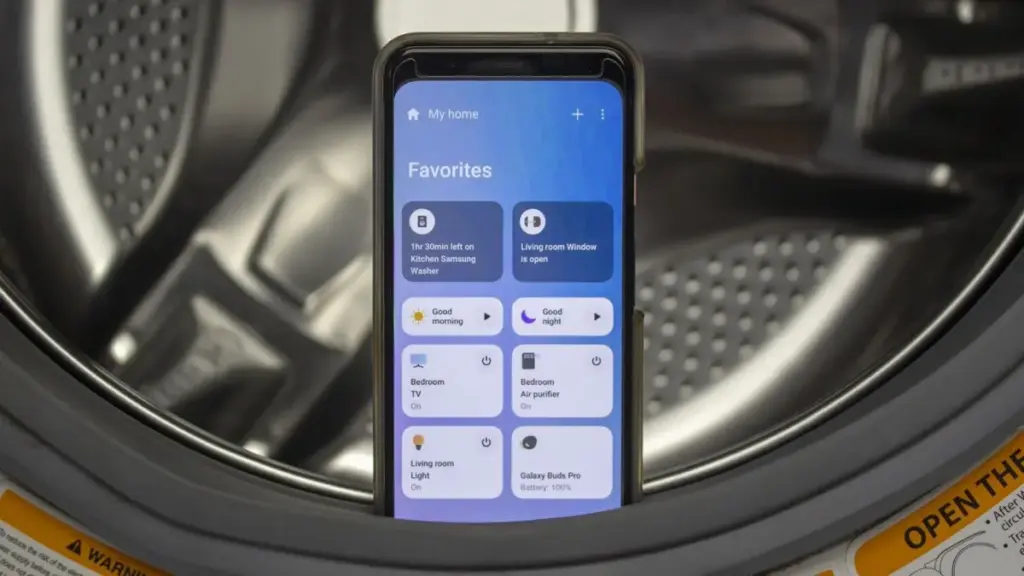
Samsung is continuing its aggressive efforts to streamline its mobile and smart home software ecosystems, announcing this week that yet another dedicated application is slated for retirement. The company has begun notifying users that the Samsung Sound app, a utility specifically designed for managing the brand’s line of wireless speakers and soundbars, will be officially discontinued. This move marks the latest chapter in a broader strategic pivot by the South Korean tech giant to eliminate redundant software and provide a more unified user experience through its primary smart home platform, SmartThings.
The notification, which has started appearing for users upon opening the Samsung Sound app, provides a definitive timeline for the transition. According to the in-app alert, the service will remain operational only until March 31, 2027. While that date is still several years away, Samsung is encouraging its customer base to begin the migration process early to ensure a seamless transition of their audio settings and device configurations.
The decision to shutter Samsung Sound is not an isolated event but rather a calculated step toward what the company describes as a "more convenient and unified experience." By folding the functionality of niche applications into the SmartThings ecosystem, Samsung aims to reduce the software fragmentation that has occasionally frustrated users who own multiple types of Samsung hardware. Instead of requiring separate apps for televisions, kitchen appliances, and audio equipment, the company is positioning SmartThings as the singular "brain" of the connected home.
The Transition to SmartThings
For users who currently rely on the Samsung Sound app to calibrate their soundbars or manage multi-room speaker setups, the path forward is relatively straightforward. Samsung’s official guidance suggests that the transition is designed to be as frictionless as possible. The in-app alert explicitly instructs users: "Simply register your sound device in the SmartThings app to continue using your existing settings."
During its tenure, the Samsung Sound app served as a specialized hub for fine-tuning audio performance. It allowed users to adjust equalizer settings, manage firmware updates for soundbars, and coordinate wireless speaker groups for surround sound or synchronized playback throughout a home. While the app was functional, it represented an era of Samsung’s software development where individual product categories often received their own bespoke management tools.
The migration to SmartThings is a significant upgrade in terms of integration. SmartThings has evolved from a simple automation platform into a robust command center that supports not only Samsung products but also thousands of third-party devices through the Matter and Zigbee protocols. By moving audio controls into this environment, users can more easily integrate their speakers into broader home automations—such as automatically lowering the volume when a smart doorbell rings or syncing lighting scenes with audio playback.
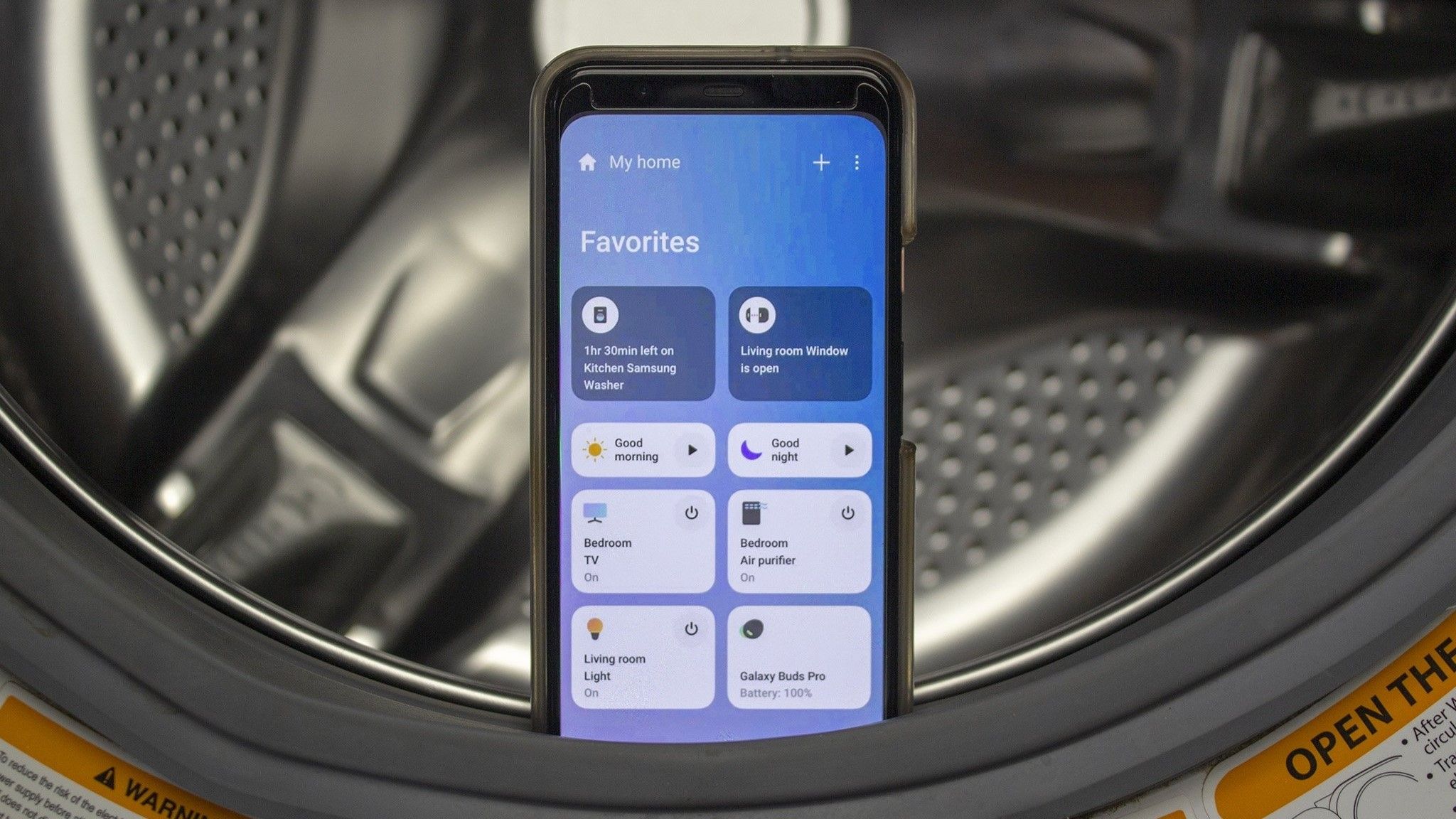
Despite the 2027 deadline being more than two years away, the announcement serves as a "heads-up" for long-term users. It ensures that those purchasing current-generation Samsung audio hardware are aware that the primary interface for their devices will eventually shift, preventing any sudden loss of functionality in the future.
A Growing History of App Shutdowns
The impending retirement of Samsung Sound is the latest in a series of software closures that have defined Samsung’s 2024 strategy. Throughout the year, the company has been "trimming the fat" from its Galaxy Store and pre-installed app suite, often replacing homegrown solutions with more universal or integrated alternatives.
One of the most high-profile changes occurred in July, when Samsung began the process of sunsetting Samsung Messages in favor of Google Messages. For years, Samsung maintained its own SMS/MMS client, but the industry-wide shift toward Rich Communication Services (RCS) prompted a change in direction. By making Google Messages the default on its latest devices, Samsung ensured that its users would have better interoperability with other Android devices and, eventually, iPhones. While the transition didn’t affect users on older versions of Android immediately, the move signaled the end of an era for one of the most fundamental apps on the Galaxy platform.
Following the news regarding Samsung Messages, the company turned its attention to more specialized utilities. In September, Samsung announced the discontinuation of Quick Measure and AR Doodle. Quick Measure utilized Time-of-Flight (ToF) sensors and augmented reality to allow users to measure distances and objects using their cameras, while AR Doodle allowed for creative drawings anchored in 3D space.
Unlike the Sound app, which has a clear successor in SmartThings, the fate of Quick Measure and AR Doodle was described with a bit more ambiguity. Samsung stated it was committed to bringing the core features of these apps back in "new and improved" forms. This likely means that rather than living as standalone icons in the app drawer, these capabilities will be integrated directly into the native Camera app or the "Modes and Routines" section of One UI, further reducing the number of individual apps a user needs to manage.
The Strategic Shift Toward "One UI" Simplicity
From a broader industry perspective, Samsung’s recent actions reflect a maturing approach to software design. In the early days of the smartphone wars, manufacturers often competed on the sheer number of features and pre-installed apps they could offer. This often led to "bloatware," where users were overwhelmed by duplicate apps for galleries, messaging, and system utilities.
Samsung’s current trajectory suggests a focus on quality over quantity. By consolidating services, the company can dedicate more engineering resources to a smaller number of high-impact applications. Maintaining a standalone app like Samsung Sound requires constant updates to ensure compatibility with new versions of Android, security patches, and new hardware releases. By moving those features into SmartThings, Samsung’s developers only have to maintain one primary codebase for the entire smart home experience.
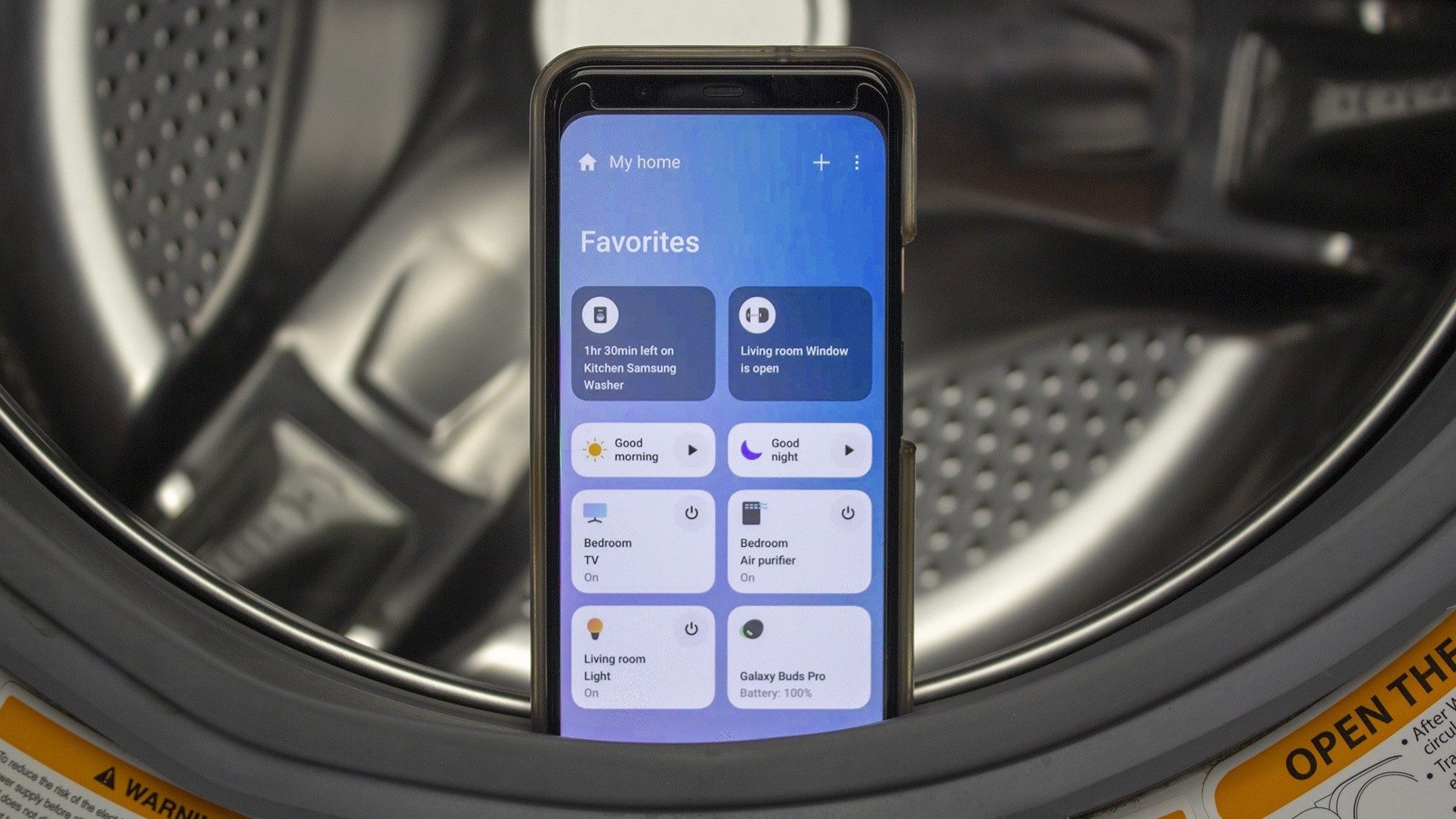
This consolidation also benefits the user’s device performance. Fewer background processes and a smaller number of installed apps can lead to better battery life and more available storage. Furthermore, it simplifies the learning curve for new customers. When a user sets up a new Galaxy phone, they are increasingly greeted by a streamlined interface where the most important tools are integrated into the OS itself or housed within a single, powerful hub like SmartThings.
Analysis: A Necessary "Deep Cleaning"
The trend of app shutdowns might initially seem like a loss for consumers who have grown accustomed to specific interfaces. However, within the context of the modern tech landscape, it is often viewed as a necessary "house cleaning" phase. For a company as large as Samsung, which produces everything from microchips to washing machines, software fragmentation is a constant challenge.
There are moments in a product’s lifecycle where "deep cleaning" becomes essential. These niche apps, while containing features that certain users enjoy, often suffer from lower traffic compared to flagship services. By vowing to "improve" and relocate these services, Samsung is not necessarily taking features away; rather, it is giving them a new lease on life within a more stable and frequently updated environment.
The move to SmartThings, in particular, aligns with Samsung’s "AI for All" vision, where devices across the home communicate intelligently with one another. A standalone sound app is a silo; a sound controller integrated into SmartThings is a component of a smart ecosystem. This shift allows for more sophisticated user experiences, such as "Music Sync" features that coordinate soundbars with Samsung TVs and ambient lighting, all managed from a single screen.
As the March 2027 deadline approaches, users can expect to see more prompts within the Samsung Sound app guiding them through the registration process in SmartThings. For now, the app remains fully functional, but the writing is on the wall: the future of the Samsung experience is one of consolidation, integration, and a significantly tidier app drawer. This evolution, while marking the end of several long-standing utilities, promises a more cohesive and less cluttered digital life for the millions of users within the Galaxy ecosystem.
 Mobile Device Management (MDM) & Mobile OS
Google Releases Android 17 QPR3 Beta 1 for Pixel Devices, Targeting Key Performance Issues and System Stability
Google has officially initiated the next phase of its software testing cycle...
 Mobile Device Management (MDM) & Mobile OS
Amazon Slashes Samsung Galaxy S26 Ultra Price by $450 Following Recent Market Adjustments
In a surprising turn of events for the mobile industry, the Samsung...
 Mobile Device Management (MDM) & Mobile OS
Google to Replace Gemini Gems with Modular ‘Skills’ Starting in October
Google is preparing a significant evolution for its artificial intelligence ecosystem, announcing...







