
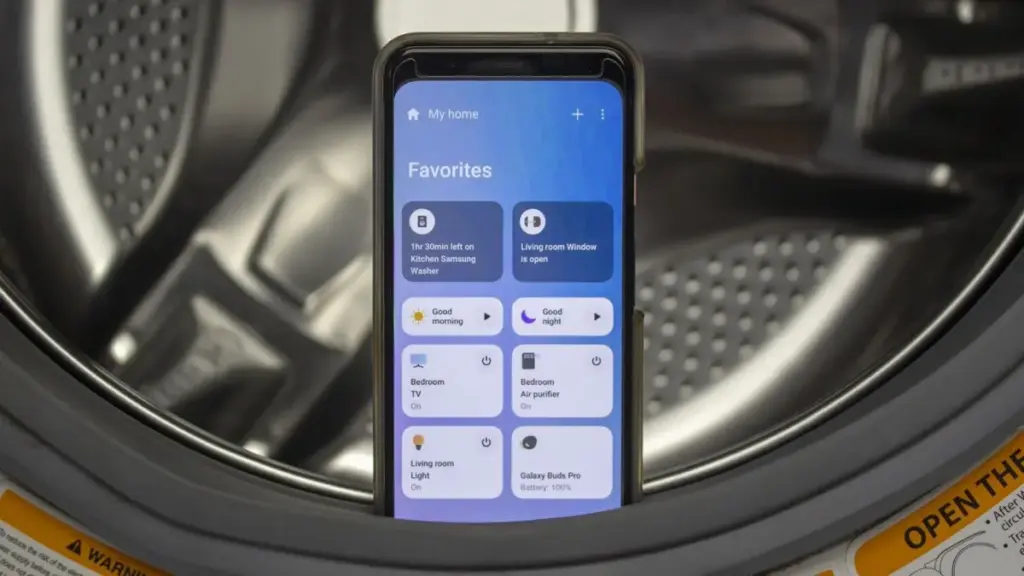
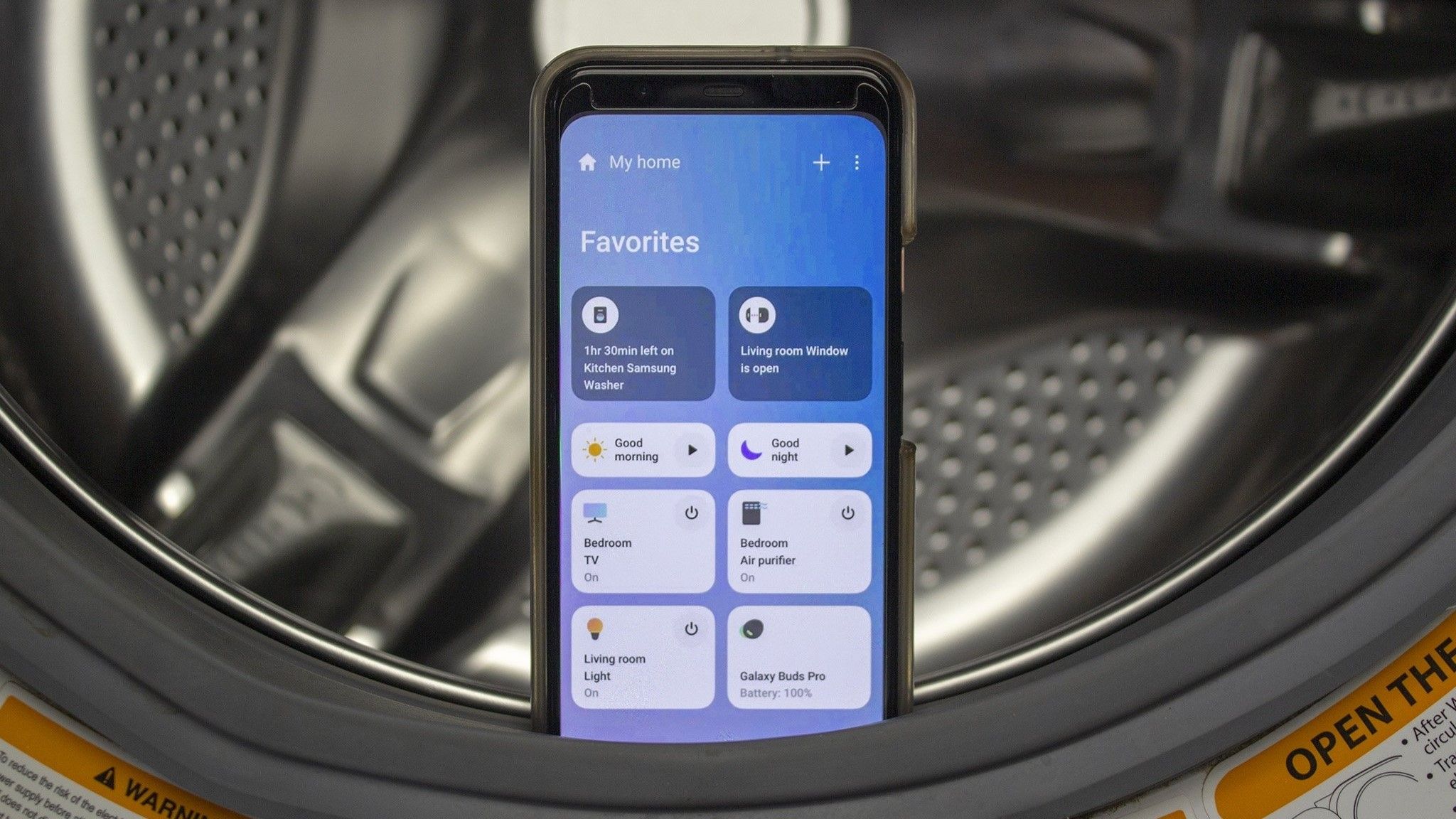
Despite the 2027 deadline being more than two years away, the announcement serves as a "heads-up" for long-term users. It ensures that those purchasing current-generation Samsung audio hardware are aware that the primary interface for their devices will eventually shift, preventing any sudden loss of functionality in the future.
A Growing History of App Shutdowns
The impending retirement of Samsung Sound is the latest in a series of software closures that have defined Samsung’s 2024 strategy. Throughout the year, the company has been "trimming the fat" from its Galaxy Store and pre-installed app suite, often replacing homegrown solutions with more universal or integrated alternatives.
One of the most high-profile changes occurred in July, when Samsung began the process of sunsetting Samsung Messages in favor of Google Messages. For years, Samsung maintained its own SMS/MMS client, but the industry-wide shift toward Rich Communication Services (RCS) prompted a change in direction. By making Google Messages the default on its latest devices, Samsung ensured that its users would have better interoperability with other Android devices and, eventually, iPhones. While the transition didn’t affect users on older versions of Android immediately, the move signaled the end of an era for one of the most fundamental apps on the Galaxy platform.
Following the news regarding Samsung Messages, the company turned its attention to more specialized utilities. In September, Samsung announced the discontinuation of Quick Measure and AR Doodle. Quick Measure utilized Time-of-Flight (ToF) sensors and augmented reality to allow users to measure distances and objects using their cameras, while AR Doodle allowed for creative drawings anchored in 3D space.
Unlike the Sound app, which has a clear successor in SmartThings, the fate of Quick Measure and AR Doodle was described with a bit more ambiguity. Samsung stated it was committed to bringing the core features of these apps back in "new and improved" forms. This likely means that rather than living as standalone icons in the app drawer, these capabilities will be integrated directly into the native Camera app or the "Modes and Routines" section of One UI, further reducing the number of individual apps a user needs to manage.
The Strategic Shift Toward "One UI" Simplicity
From a broader industry perspective, Samsung’s recent actions reflect a maturing approach to software design. In the early days of the smartphone wars, manufacturers often competed on the sheer number of features and pre-installed apps they could offer. This often led to "bloatware," where users were overwhelmed by duplicate apps for galleries, messaging, and system utilities.
 Mobile Device Management (MDM) & Mobile OS
Samsung Reportedly Developing ‘Galaxy Studio’ Over-Ear Headphones to Challenge Apple and Sony
For nearly a decade, the premium over-ear headphone market has been defined...
 Mobile Device Management (MDM) & Mobile OS
Power on the Move: Why High-Wattage Wired Charging is Becoming Essential for Modern Travelers
In the rapidly evolving landscape of mobile technology, the way we power...
 Mobile Device Management (MDM) & Mobile OS
Beyond Simple Blocking: How AI-Powered Context is Redefining Digital Safety for the Modern Parent
In the contemporary landscape of parenting, the mandate to protect one’s children...







