
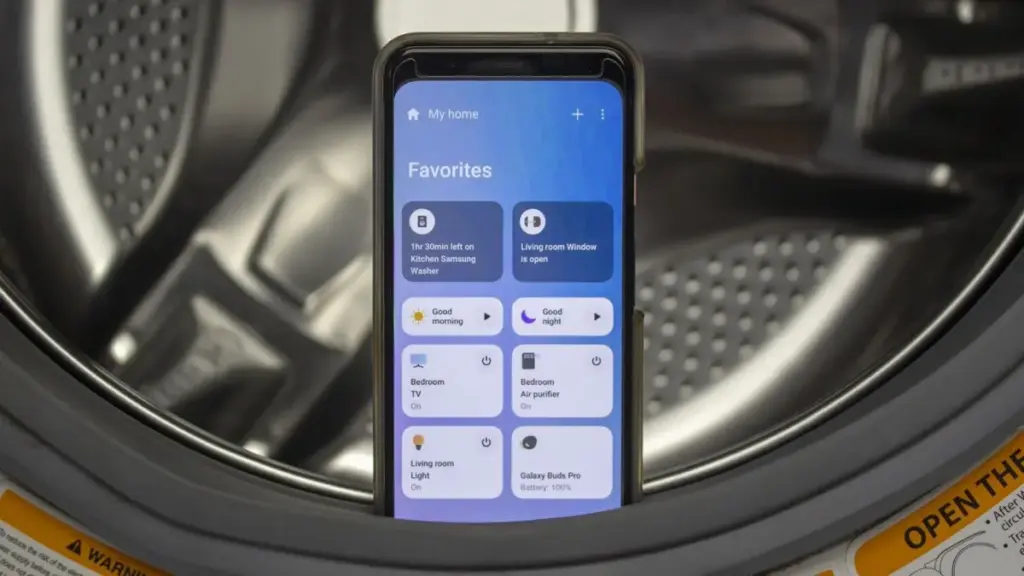
Samsung’s current trajectory suggests a focus on quality over quantity. By consolidating services, the company can dedicate more engineering resources to a smaller number of high-impact applications. Maintaining a standalone app like Samsung Sound requires constant updates to ensure compatibility with new versions of Android, security patches, and new hardware releases. By moving those features into SmartThings, Samsung’s developers only have to maintain one primary codebase for the entire smart home experience.
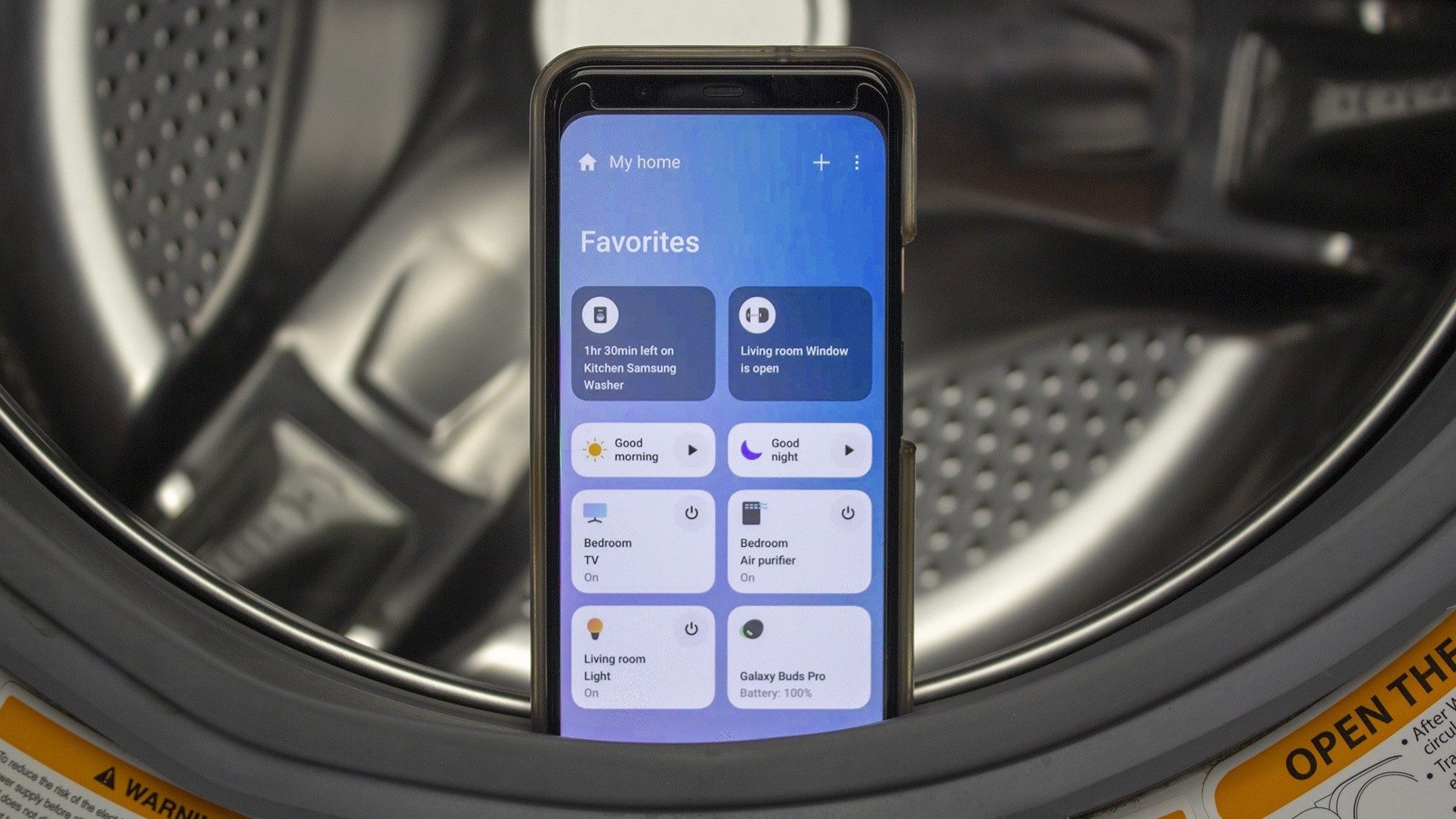
This consolidation also benefits the user’s device performance. Fewer background processes and a smaller number of installed apps can lead to better battery life and more available storage. Furthermore, it simplifies the learning curve for new customers. When a user sets up a new Galaxy phone, they are increasingly greeted by a streamlined interface where the most important tools are integrated into the OS itself or housed within a single, powerful hub like SmartThings.
Analysis: A Necessary "Deep Cleaning"
The trend of app shutdowns might initially seem like a loss for consumers who have grown accustomed to specific interfaces. However, within the context of the modern tech landscape, it is often viewed as a necessary "house cleaning" phase. For a company as large as Samsung, which produces everything from microchips to washing machines, software fragmentation is a constant challenge.
There are moments in a product’s lifecycle where "deep cleaning" becomes essential. These niche apps, while containing features that certain users enjoy, often suffer from lower traffic compared to flagship services. By vowing to "improve" and relocate these services, Samsung is not necessarily taking features away; rather, it is giving them a new lease on life within a more stable and frequently updated environment.
The move to SmartThings, in particular, aligns with Samsung’s "AI for All" vision, where devices across the home communicate intelligently with one another. A standalone sound app is a silo; a sound controller integrated into SmartThings is a component of a smart ecosystem. This shift allows for more sophisticated user experiences, such as "Music Sync" features that coordinate soundbars with Samsung TVs and ambient lighting, all managed from a single screen.
As the March 2027 deadline approaches, users can expect to see more prompts within the Samsung Sound app guiding them through the registration process in SmartThings. For now, the app remains fully functional, but the writing is on the wall: the future of the Samsung experience is one of consolidation, integration, and a significantly tidier app drawer. This evolution, while marking the end of several long-standing utilities, promises a more cohesive and less cluttered digital life for the millions of users within the Galaxy ecosystem.
 Mobile Device Management (MDM) & Mobile OS
Samsung’s Foray into the Googlebook Era: Leaked Benchmarks Reveal Snapdragon X Elite Power and Android 17 Integration
The landscape of portable computing is undergoing its most significant transformation in...
 Mobile Device Management (MDM) & Mobile OS
Google Prepared to Expand Wearable Lineup with New Fitbit Edge Tracker
The landscape of the wearable technology market is undergoing a significant shift...
 Mobile Device Management (MDM) & Mobile OS
Beyond Simple Blocking: How AI-Powered Context is Redefining Digital Safety for the Modern Parent
In the contemporary landscape of parenting, the mandate to protect one’s children...







