
As the autumn leaves finish falling and the first signs of frost begin to creep across windshields and garden beds, millions of homeowners and DIY enthusiasts are shifting their focus toward winterization. For many, this involves cleaning gutters, insulating pipes, and sealing windows. However, one of the most significant investments in any modern household—the power tool collection—is often overlooked during seasonal transitions.
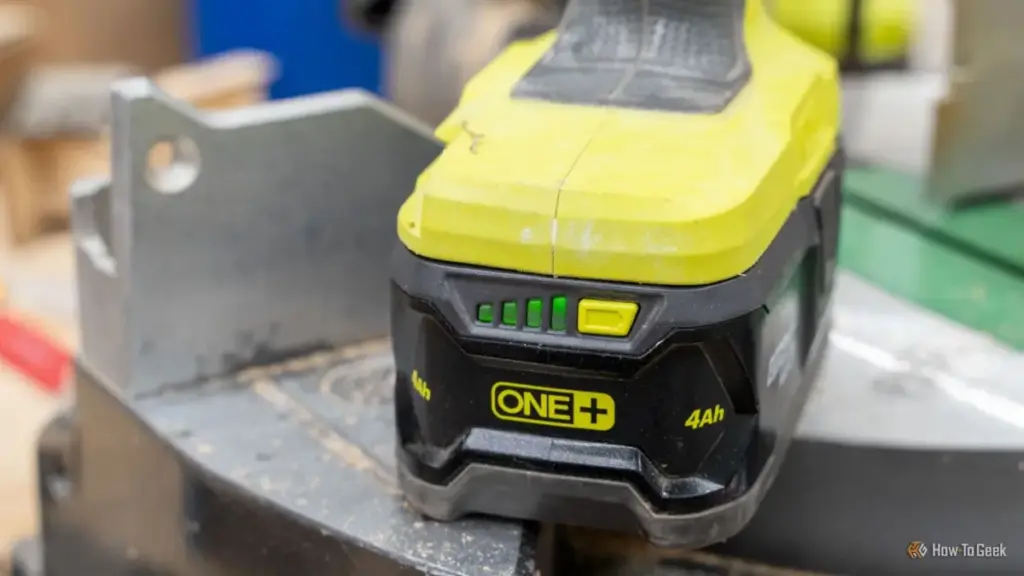
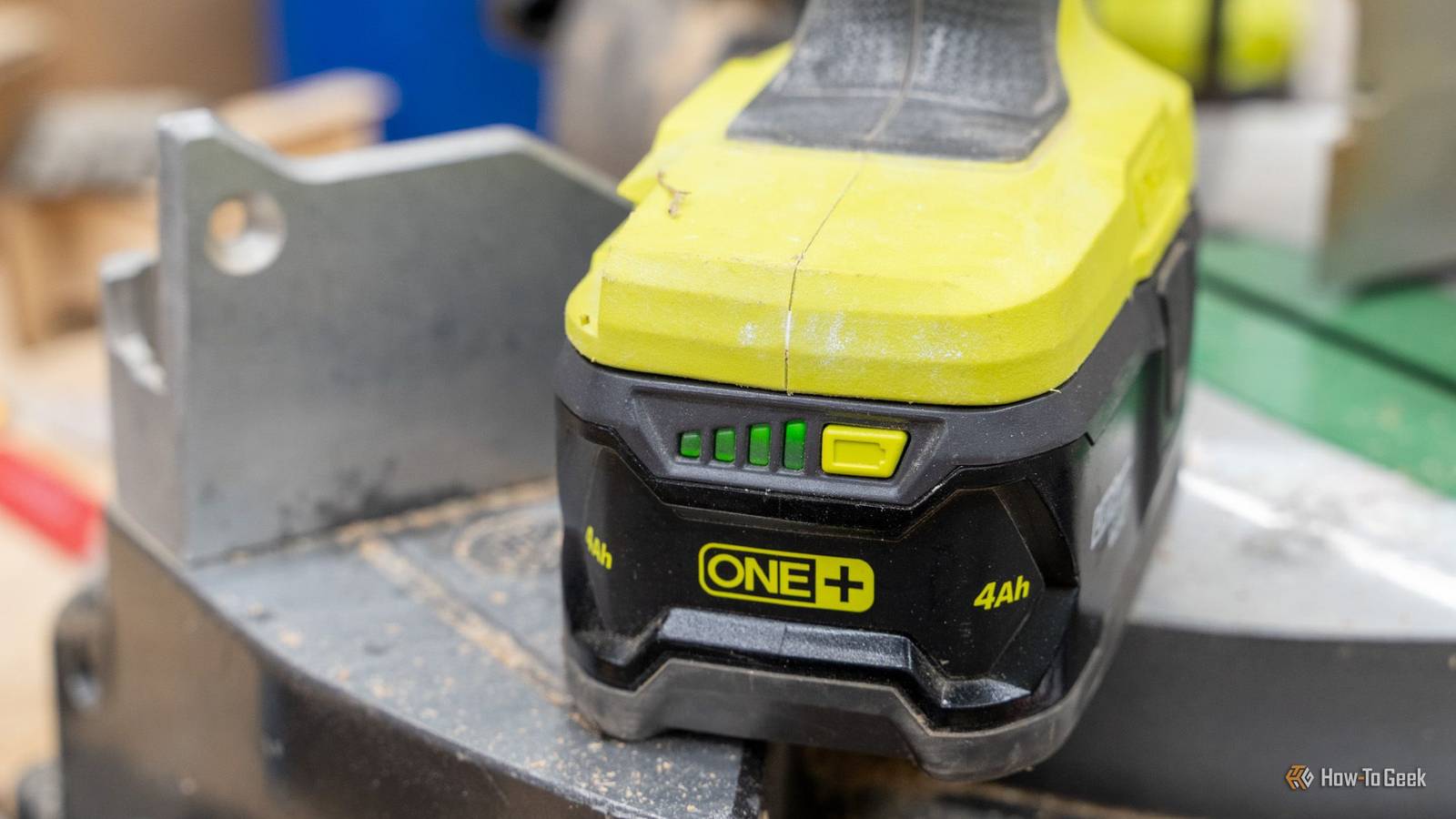
Ryobi, the ubiquitous lime-green brand found in garages and workshops across the country, has become a staple for everyone from casual weekend warriors to dedicated home renovators. While these tools are designed for rugged use, they harbor a sensitive vulnerability that many owners fail to account for: their lithium-ion battery packs. As freezing temperatures become the norm, the way these batteries are handled can mean the difference between a tool that lasts a decade and one that fails prematurely.
Cory Gunther, a seasoned technology expert and senior editor who has spent over a decade tracking the evolution of mobile tech and consumer electronics, emphasizes that the transition into winter requires more than just moving tools out of the way. It requires a fundamental shift in how we store and maintain the power sources that drive our modern conveniences.
The Science of Temperature and Battery Health
The primary threat to the longevity of Ryobi’s popular ONE+ and 40V battery systems is temperature. While the tools themselves—the drills, saws, and impact drivers—are largely composed of durable plastics and metals, the batteries are complex chemical storehouses. Lithium-ion cells, the technology powering the vast majority of Ryobi’s lineup, are notoriously sensitive to environmental extremes.
According to Gunther, lithium-ion cells prefer the same temperature ranges that humans do. When a battery is subjected to extreme cold, the chemical reactions required to move ions through the electrolyte slow down significantly. This increases internal resistance, which can lead to sluggish performance if you attempt to use the tool immediately. More importantly, charging a battery that is frozen or near-freezing can cause permanent damage, including a phenomenon known as "lithium plating," which can lead to a total loss of capacity or even safety risks over time.

While heat is often cited as the primary enemy of electronics—capable of burning out motors or causing thermal runaway in batteries—the cold presents a more insidious danger. It degrades the battery’s health quietly, often unnoticed until the following spring when the user discovers their "fully charged" battery only offers half the runtime it once did.
To combat this, manufacturers like Ryobi generally recommend that battery packs be stored in a climate-controlled environment. The ideal window is surprisingly narrow, with recommendations typically falling between 60°F and 77°F. For the average homeowner, this means the uninsulated garage, the outdoor shed, or the back of a work truck are no longer viable storage locations once the thermometer drops.
Strategic Indoor Storage and Maintenance
For many Ryobi users, the garage is the natural home for their tools. However, Gunther suggests that the most effective way to preserve a battery investment is to bring the packs inside the house for the duration of the winter. Transitioning batteries to a shelf in a laundry room, a mudroom, or even a basement closet can significantly extend their operational lifespan.
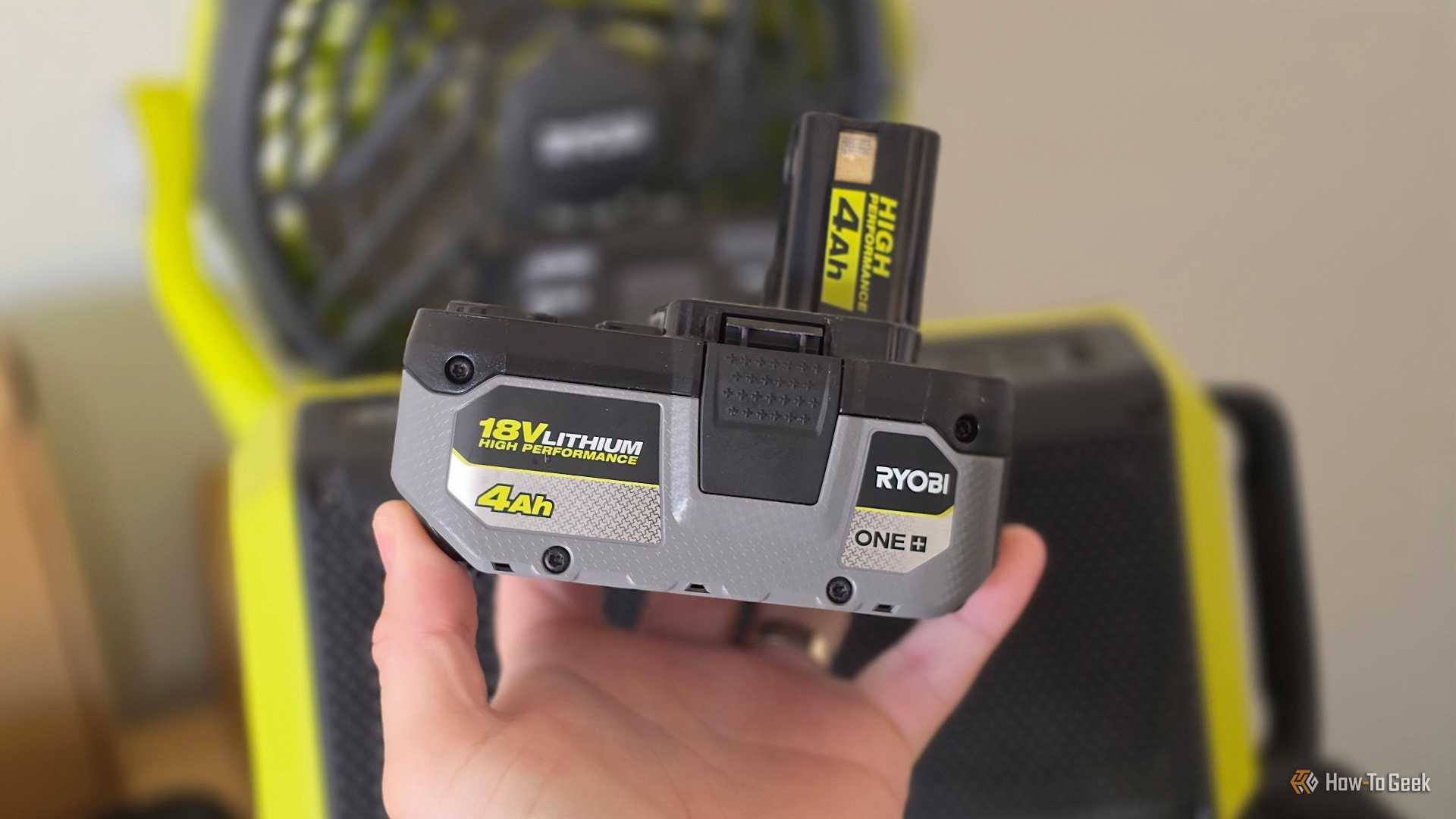
Moving the batteries inside serves multiple purposes. First, it ensures that the cells remain at a stable, moderate temperature, preventing the degradation of the electrolyte. Second, it facilitates safer charging. A battery brought in from a 30°F garage and immediately placed on a charger can suffer from "cold-charging" stress. By keeping the batteries and chargers in a climate-controlled room, you ensure that every charge cycle is optimized for the battery’s health.
While the tools themselves are less susceptible to the cold than the batteries, they are not entirely immune. If a room-temperature battery is snapped onto a tool that has been sitting in a freezing garage all night, the contrast in temperature can cause condensation to form inside the tool’s housing. Furthermore, the lubricants inside the tool’s motor and gearbox can thicken in the cold, leading to "odd noises" or reduced torque until the tool warms up through friction. While it is not always practical to bring every drill and saw into the living room, keeping them in a dry, sheltered location is essential to prevent rust and mechanical strain.
Managing the Charge: The 60% Rule
Beyond temperature control, the state of charge is a critical factor in how a battery survives a long period of inactivity. Many users make the mistake of either leaving their batteries completely depleted after a final autumn project or, conversely, charging them to 100% before tucking them away for the season. Both extremes can be detrimental.

Expert consensus, supported by Ryobi’s own guidelines, suggests that the "sweet spot" for long-term storage is approximately 50% to 60% of the total charge capacity. Storing a lithium-ion battery at 100% charge places unnecessary chemical stress on the cells, which can lead to faster degradation of the battery’s total capacity over time. On the other hand, storing a battery that is nearly dead is even more dangerous. All batteries experience a small amount of "self-discharge" over time. If a battery is stored at 5% and then naturally loses charge over three months of winter, it may drop below a critical voltage threshold. Once a battery drops too low, its internal protection circuit may "brick" the battery for safety reasons, making it impossible to recharge.
Gunther advises a proactive approach to winter battery management. Rather than letting tools sit forgotten, users should aim to check their charge levels periodically. If a battery is going to be idle for several months, keeping it at a mid-range charge helps minimize chemical stress and ensures that the battery remains "healthy" enough to accept a charge when spring projects finally arrive.
Preparing for the Spring Transition
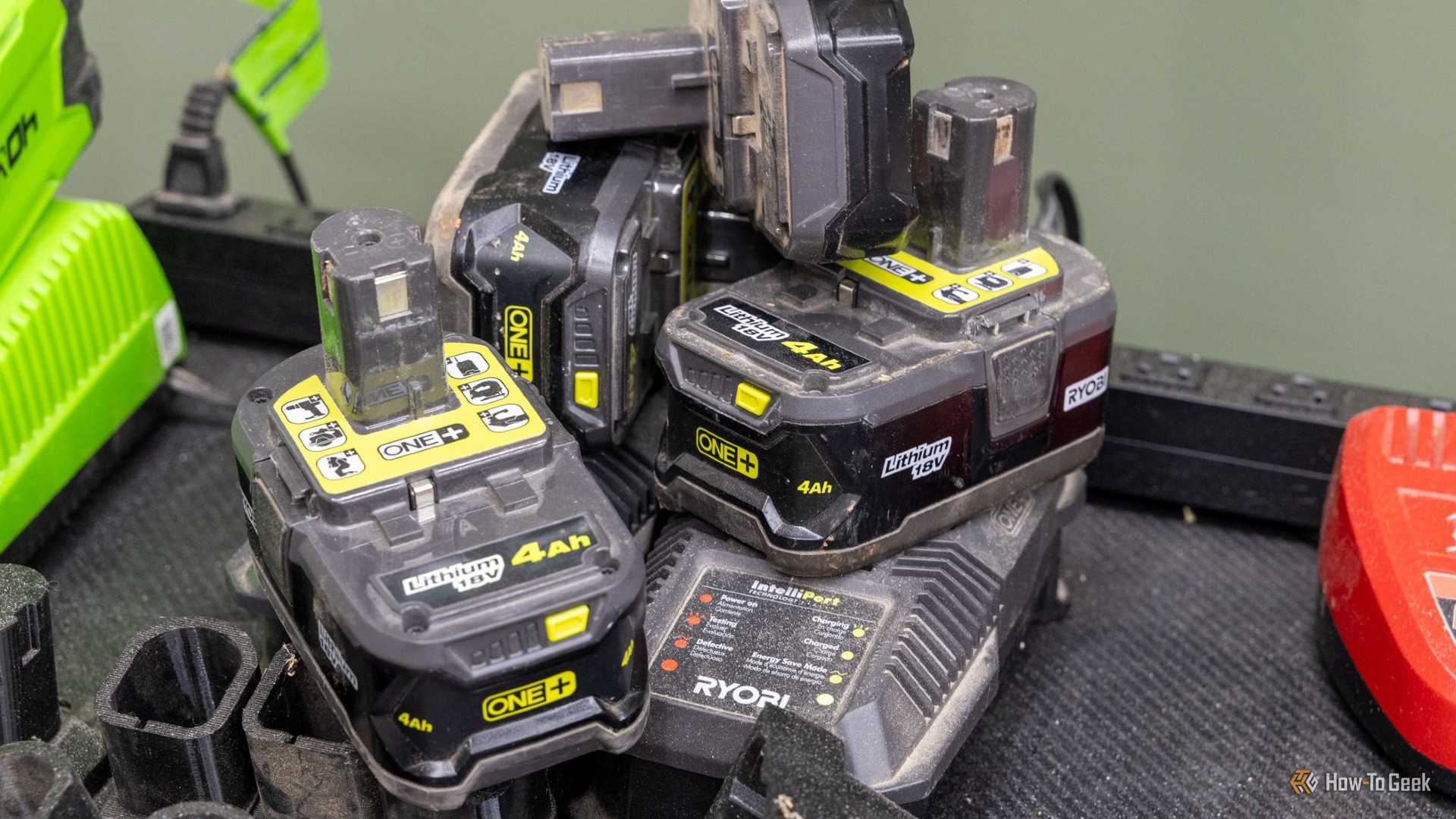
The goal of these seasonal habits is to ensure that when the weather turns and home improvement projects resume, the equipment is ready to perform. A Ryobi battery is a significant investment; high-capacity 18V ONE+ batteries or 40V mower batteries can cost anywhere from $100 to over $200. When an owner has a collection of five or ten such batteries, the "cost of neglect" can quickly climb into the thousands of dollars.
By adopting a few simple habits—bringing batteries indoors, maintaining a 60% charge, and ensuring tools stay dry—homeowners can protect that investment. It is a matter of moving from a reactive mindset to a preventative one. Instead of dealing with the frustration of dead batteries and sluggish tools in April, a little bit of foresight in November ensures a seamless transition.
As the winter months progress, it is also beneficial to occasionally use the tools if possible. Light use helps keep the internal components of both the battery and the tool active. However, the most vital takeaway remains the environmental factor. The cold is a silent thief of battery capacity, but it is one that can be easily defeated by simply finding a small space inside the home for those lime-green power cells.
Ultimately, the longevity of Ryobi tools is a testament to their engineering, but that engineering relies on the user to provide a stable environment. Taking the time to rearrange the workshop and find a safe, warm place for battery storage is a small price to pay for tools that will continue to build, repair, and maintain the home for years to come. As the first frost settles, the message is clear: if you’re cold, your batteries are cold, too. Bring them inside.
 Tech Tutorials & How-To Guides
Netflix Expands November Roster with Subversive Animation, Gritty Thrillers, and Holiday Romance
As the global streaming landscape grows increasingly competitive, Netflix continues to refine...
 Tech Tutorials & How-To Guides
The Seamless Transition: Why Linux Mint Remains the Premier Gateway for Windows Refugees
For many veteran technology enthusiasts, the journey through the landscape of Unix-like...
 Tech Tutorials & How-To Guides
The Hidden Bottleneck: Why Standard Speed Tests Often Fail to Detect Faulty Network Hardware
In the modern digital household, few things are as frustrating as a...







