
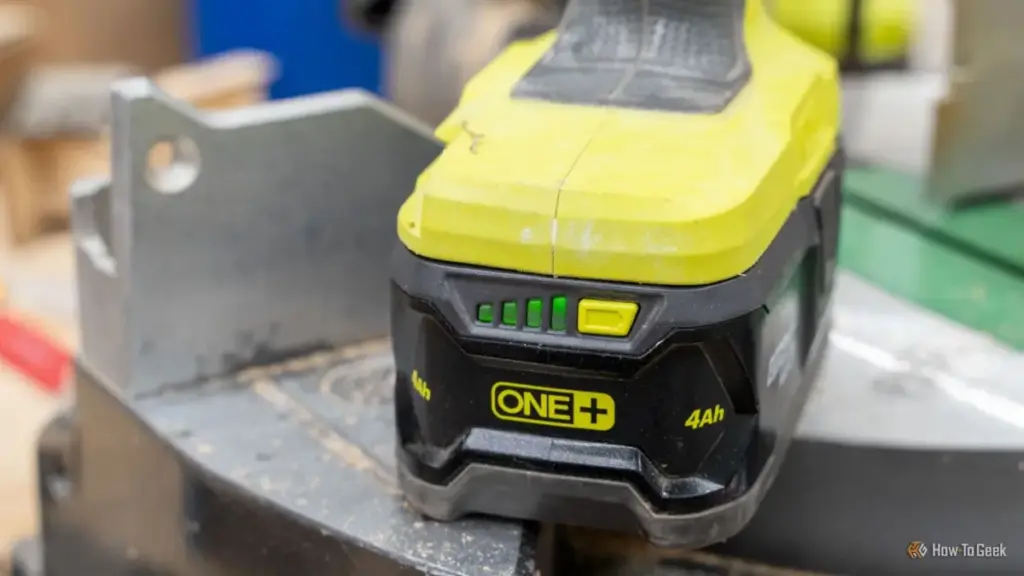
Gunther advises a proactive approach to winter battery management. Rather than letting tools sit forgotten, users should aim to check their charge levels periodically. If a battery is going to be idle for several months, keeping it at a mid-range charge helps minimize chemical stress and ensures that the battery remains "healthy" enough to accept a charge when spring projects finally arrive.
Preparing for the Spring Transition
The goal of these seasonal habits is to ensure that when the weather turns and home improvement projects resume, the equipment is ready to perform. A Ryobi battery is a significant investment; high-capacity 18V ONE+ batteries or 40V mower batteries can cost anywhere from $100 to over $200. When an owner has a collection of five or ten such batteries, the "cost of neglect" can quickly climb into the thousands of dollars.
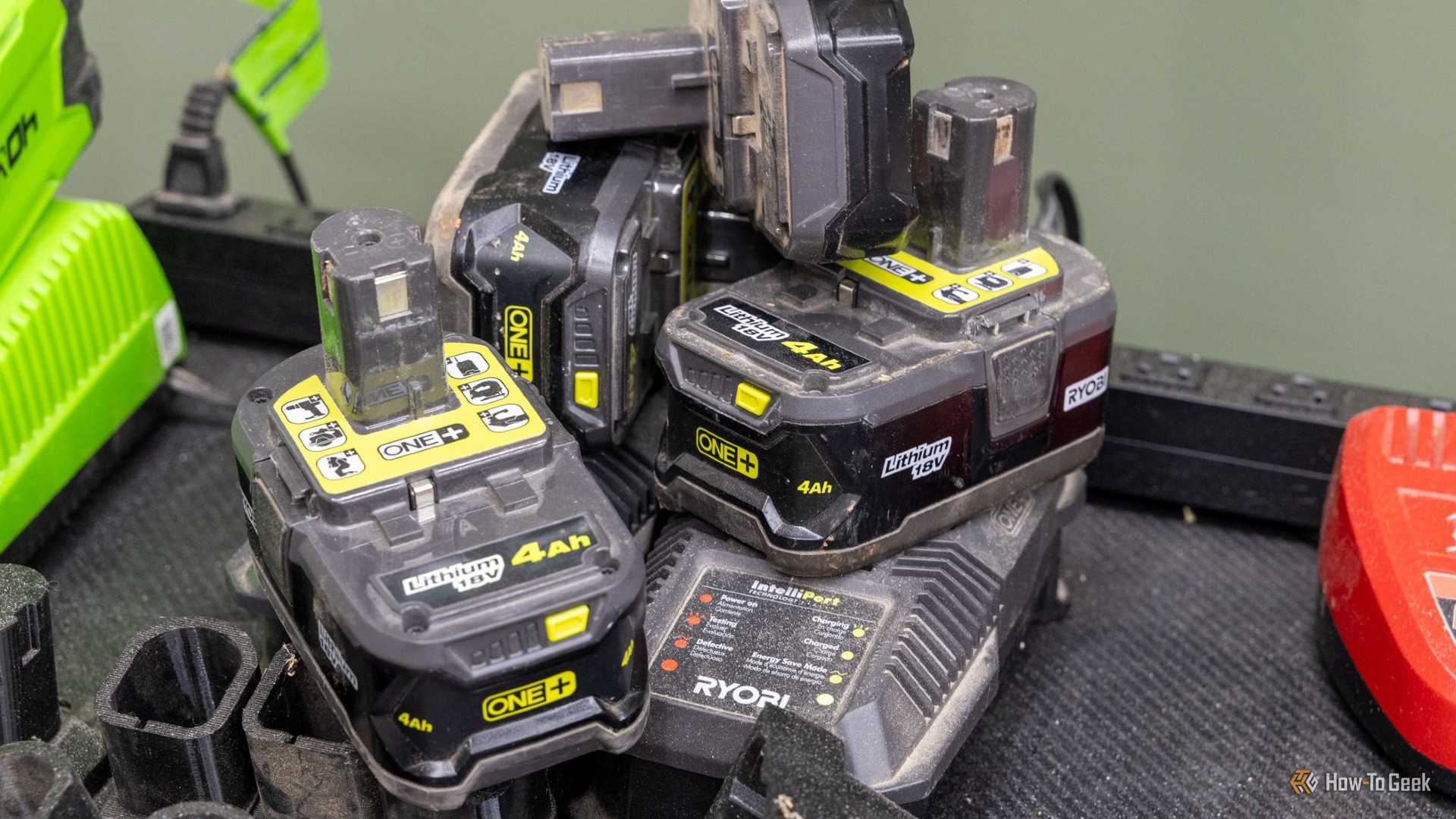
By adopting a few simple habits—bringing batteries indoors, maintaining a 60% charge, and ensuring tools stay dry—homeowners can protect that investment. It is a matter of moving from a reactive mindset to a preventative one. Instead of dealing with the frustration of dead batteries and sluggish tools in April, a little bit of foresight in November ensures a seamless transition.
As the winter months progress, it is also beneficial to occasionally use the tools if possible. Light use helps keep the internal components of both the battery and the tool active. However, the most vital takeaway remains the environmental factor. The cold is a silent thief of battery capacity, but it is one that can be easily defeated by simply finding a small space inside the home for those lime-green power cells.
Ultimately, the longevity of Ryobi tools is a testament to their engineering, but that engineering relies on the user to provide a stable environment. Taking the time to rearrange the workshop and find a safe, warm place for battery storage is a small price to pay for tools that will continue to build, repair, and maintain the home for years to come. As the first frost settles, the message is clear: if you’re cold, your batteries are cold, too. Bring them inside.
 Tech Tutorials & How-To Guides
Beyond the Command Line: How btop is Redefining System Monitoring for the Modern Linux User
The terminal has long been the sanctuary of the Linux power user—a...
 Tech Tutorials & How-To Guides
Milwaukee Tool’s M12 Series Redefines the Balance of Power and Portability for Professional and Home Applications
In the rapidly evolving landscape of cordless power tools, the long-standing industry...
 Tech Tutorials & How-To Guides
Beyond the Blinking Lights: Navigating the Technical Challenges and Repairability of Ryobi’s Battery Ecosystem
For many homeowners and DIY enthusiasts, the Ryobi brand represents a gateway...







